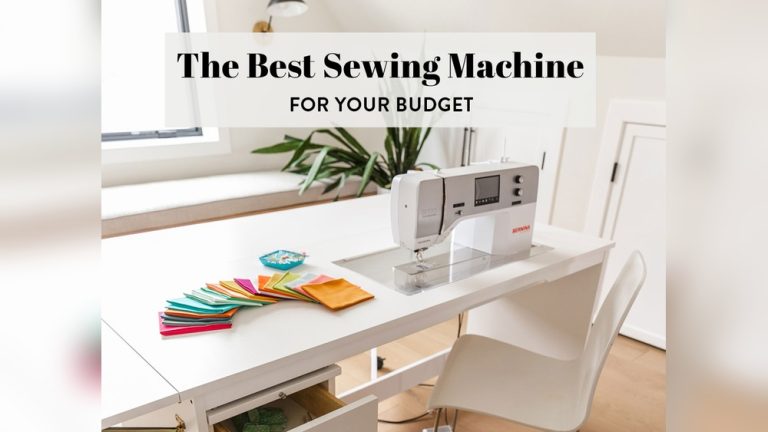
Best Sewing Machine for Piecing Quilts: The Juki TL Series
The Juki TL series is widely considered the best sewing machine for piecing quilts because its high-speed straight stitch provides the consistent tension and precision required for accurate quarter-inch seams. While computerized machines offer many decorative options, you should prioritize a mechanical or semi-industrial machine if your primary goal is heavy-duty piecing. This choice depends on your workspace, as some industrial-style machines lack a free arm, which can make certain types of assembly more difficult if you’re used to standard home equipment.
The Best Sewing Machine for Piecing Quilts
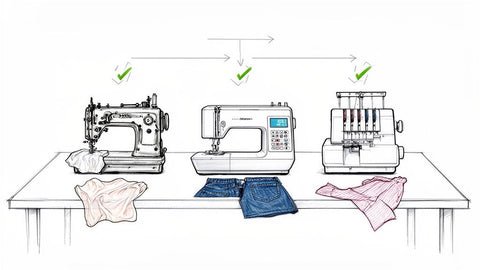
The right machine for your quilting journey depends on your specific needs, such as whether you prioritize speed, versatility, or portability.
| Method | How long | Effort | Cost | Best for |
|---|---|---|---|---|
| Mechanical Straight Stitch | Fast | Low | Medium | Heavy piecing |
| Computerized Multi-stitch | Moderate | Medium | Medium | Versatile crafters |
| Entry-level Portable | Moderate | High | Low | Beginners |
| Semi-Industrial | Very Fast | Low | High | Professional output |
If you’re a beginner, you might start with an entry-level machine, but as your skills grow, you’ll find that a machine with a dedicated quarter-inch foot provides better results. Mechanical machines are generally easier to maintain, whereas computerized models offer convenience features like automatic thread cutters. When choosing, consider that a machine with a larger throat space allows you to handle bulky layers more comfortably. Always check the manufacturer’s manual for recommended maintenance schedules to keep your motor running smoothly.
Dedicated straight stitch machines
These machines are built for one purpose: creating perfect, straight lines with speed and consistency. They often lack a zig-zag stitch, which keeps the needle bar stable and prevents the common wobbles found in cheaper, multi-purpose machines.
- Set your stitch length to exactly 2.0mm, which is the industry standard for a secure pieced seam.
- Attach a dedicated 1/4-inch piecing foot to ensure your seam allowance stays accurate from start to finish.
- Adjust your thread tension according to your machine’s manual, as optimal settings vary by model and thread weight.
- Use a leader-ender piece of fabric to start your stitching line; this prevents the machine from “chewing” the corner of your quilt block.
These machines are excellent for long sessions because they handle heavy cotton fabrics without struggling or losing timing. The main weakness is their lack of versatility; if you need to sew a zig-zag or a buttonhole, you’ll need a second machine.
Computerized multi-stitch machines
Computerized machines use sensors to manage needle position and tension, making them ideal if you want to experiment with different quilting styles beyond basic piecing.
- Select the “straight stitch” setting on the digital display and confirm the needle is in the center position.
- Engage the “needle down” function, which keeps the needle in the fabric every time you stop to pivot your work.
- Set your speed control slider to a comfortable pace that allows you to maintain control over intricate corners.
- Use the automatic thread cutter at the end of each block to save time and reduce thread waste.
These machines are great for people who want one machine that does everything, from piecing to basic embroidery. The trade-off is that they’re more complex to repair; if the circuit board fails, you often need an authorized technician. A mistake many people make is ignoring the computer’s error codes, which can cause internal jams that cost money to fix later.
Portable entry-level machines
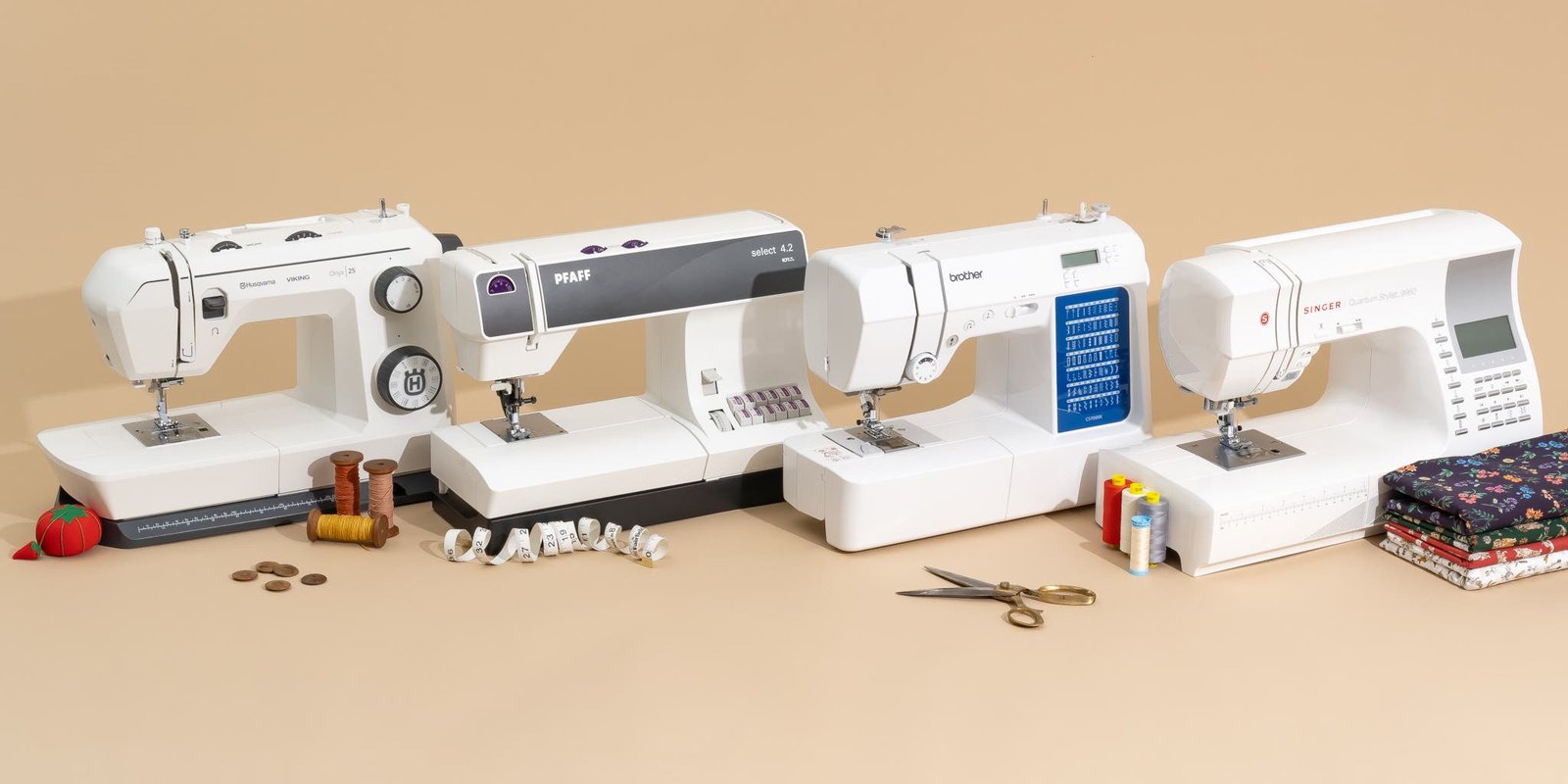
These machines are lightweight and designed for occasional use, making them perfect if you have limited space or attend quilting retreats.
- Place the machine on a flat, non-slip mat to prevent it from moving while you sew at high speeds.
- Ensure the bobbin is wound evenly, as an uneven bobbin will cause tension issues that ruin your seam allowance.
- Use a standard universal needle in size 80/12, which works for most cotton quilt fabrics.
- Check the presser foot pressure dial and adjust it to avoid stretching your fabric pieces as they feed.
These machines are fantastic for portability and quick setups. However, they aren’t intended for heavy-duty, daily use for years on end, and their smaller motors may struggle with thicker quilt sandwiches. If you find your seams are puckering, the issue is almost always the thread tension or a dull needle, not the machine itself.
Which one should you use?
If you’re in a hurry, choose a semi-industrial machine because its high-speed motor and simple interface allow you to finish piecing blocks in half the time of a standard computer-controlled machine. The power of these motors lets you sew through multiple layers without needing to adjust your speed manually.
If you’re doing this for the first time, choose an entry-level computerized machine. These models provide helpful features like automated needle positioning and speed control, which act as a safety net while you learn accurate fabric guidance. The cost of entry is lower, and you can learn the basics without being overwhelmed by mechanical adjustments.
If you want the best possible result whatever it takes, choose a dedicated straight-stitch machine. These machines provide a level of precision that multi-purpose machines can’t match. The trade-off is the lack of a zig-zag stitch, meaning you’ll need a different machine for finishing edges or decorative work. This approach is for the person who values seam quality and machine longevity over having one machine that does everything. If you find your stitches are skipping, it’s usually time to change your needle; a dull needle is the most common cause of poor results in all machine types.
The rules that apply whichever way you choose
Regardless of the machine you buy, you must follow the standards set by the manufacturer for oiling and cleaning. Most modern machines require little oil, but the bobbin area must be cleared of lint after every project to prevent jams. Before you begin, always test your stitch on a scrap piece of the exact fabric you plan to use. If your machine makes a grinding noise or the motor smells like burning plastic, stop immediately and contact a certified technician; these are signs of electrical or mechanical failure that you can’t safely fix yourself.
Partway through your project, check your bobbin thread tension. If you see loops on the back of your fabric, your top thread is likely too loose or your bobbin isn’t seated correctly. At the end of each session, raise the presser foot to release the tension disks and prevent thread buildup. Remember that using the wrong needle size for your thread type can lead to skipped stitches or fabric damage. If you’re ever unsure about a mechanical issue, don’t attempt to open the motor housing, as capacitors can hold a lethal charge even when unplugged. Always rely on the manual for your specific model to find the correct settings.
Frequently asked questions

Can I use a regular sewing machine for quilting?
Yes, you can use any machine that offers a straight stitch, though you’ll have more success with a machine that allows for a dedicated quarter-inch foot. Many standard machines have this feature, but you should check the width of your feed dogs to ensure your fabric feeds straight. If your machine struggles with thick layers, consider using a walking foot attachment to help move the fabric evenly through the feed system.
Why is my sewing machine bunching up the fabric?
Bunching usually happens because the top thread tension is too high or the bobbin is inserted incorrectly. First, re-thread both the top spool and the bobbin to ensure the thread is seated firmly in the tension disks. If the problem persists, check that your needle isn’t blunt, as a dull needle will push fabric into the throat plate hole instead of piercing it cleanly.
How long should a sewing machine last?
A high-quality mechanical sewing machine can last for decades if it’s serviced regularly by a professional. The lifespan depends entirely on how often you use it and whether you follow the manufacturer’s maintenance schedule for cleaning and oiling. Computerized machines may have a shorter lifespan due to the availability of electronic parts, but they’re just as durable if kept away from humidity and dust.
Is it safe to repair my own sewing machine?
No, you should never attempt internal repairs on a modern sewing machine. While you can safely clean the bobbin area and change the needle, any work involving the motor, wiring, or circuit boards is for a technician only. A capacitor can hold a lethal charge even after the machine is unplugged, so leave electrical maintenance to the professionals to avoid serious injury or permanent damage.
What happens if I use the wrong needle?
Using the wrong needle can cause skipped stitches, thread breakage, and holes in your fabric. For quilting, a universal or quilting needle in size 80/12 is the standard, as it’s designed to pierce cotton layers without damaging the fibers. If you use a needle that’s too large, it will leave visible holes in your quilt top; if it’s too small, the thread will fray and snap.
How often do I need to clean the bobbin area?
Clean the bobbin area regularly, especially after sewing with fabrics that produce significant lint. Lint from quilt cotton builds up quickly, which can block the feed dogs and cause the machine to skip stitches. Use a soft brush to remove the dust, but avoid using compressed air, as it can push lint deeper into the internal mechanism where it can cause damage to the gears.
Final Thoughts
Finding the right tool makes every project more enjoyable, so don’t be afraid to visit a local shop to test a few models in person. You’ll quickly feel which machine fits your hands and sewing style best. Once you’ve picked your favorite, you’re ready to start your next beautiful quilt design.
{“@context”:”https://schema.org”,”@type”:”FAQPage”,”mainEntity”:[{“@type”:”Question”,”name”:”Can I use a regular sewing machine for quilting?”,”acceptedAnswer”:{“@type”:”Answer”,”text”:”Yes, you can use any machine that offers a straight stitch, though you’ll have more success with a machine that allows for a dedicated quarter-inch foot. Many standard machines have this feature, but you should check the width of your feed dogs to ensure your fabric feeds straight. If your machine struggles with thick layers, consider using a walking foot attachment to help move the fabric evenly through the feed system.”}},{“@type”:”Question”,”name”:”Why is my sewing machine bunching up the fabric?”,”acceptedAnswer”:{“@type”:”Answer”,”text”:”Bunching usually happens because the top thread tension is too high or the bobbin is inserted incorrectly. First, re-thread both the top spool and the bobbin to ensure the thread is seated firmly in the tension disks. If the problem persists, check that your needle isn’t blunt, as a dull needle will push fabric into the throat plate hole instead of piercing it cleanly.”}},{“@type”:”Question”,”name”:”How long should a sewing machine last?”,”acceptedAnswer”:{“@type”:”Answer”,”text”:”A high-quality mechanical sewing machine can last for decades if it’s serviced regularly by a professional. The lifespan depends entirely on how often you use it and whether you follow the manufacturer’s maintenance schedule for cleaning and oiling. Computerized machines may have a shorter lifespan due to the availability of electronic parts, but they’re just as durable if kept away from humidity and dust.”}},{“@type”:”Question”,”name”:”Is it safe to repair my own sewing machine?”,”acceptedAnswer”:{“@type”:”Answer”,”text”:”No, you should never attempt internal repairs on a modern sewing machine. While you can safely clean the bobbin area and change the needle, any work involving the motor, wiring, or circuit boards is for a technician only. A capacitor can hold a lethal charge even after the machine is unplugged, so leave electrical maintenance to the professionals to avoid serious injury or permanent damage.”}},{“@type”:”Question”,”name”:”What happens if I use the wrong needle?”,”acceptedAnswer”:{“@type”:”Answer”,”text”:”Using the wrong needle can cause skipped stitches, thread breakage, and holes in your fabric. For quilting, a universal or quilting needle in size 80/12 is the standard, as it’s designed to pierce cotton layers without damaging the fibers. If you use a needle that’s too large, it will leave visible holes in your quilt top; if it’s too small, the thread will fray and snap.”}},{“@type”:”Question”,”name”:”How often do I need to clean the bobbin area?”,”acceptedAnswer”:{“@type”:”Answer”,”text”:”Clean the bobbin area regularly, especially after sewing with fabrics that produce significant lint. Lint from quilt cotton builds up quickly, which can block the feed dogs and cause the machine to skip stitches. Use a soft brush to remove the dust, but avoid using compressed air, as it can push lint deeper into the internal mechanism where it can cause damage to the gears.”}}]}