Best Sewing Machines for Quilting: Juki and Brother Picks
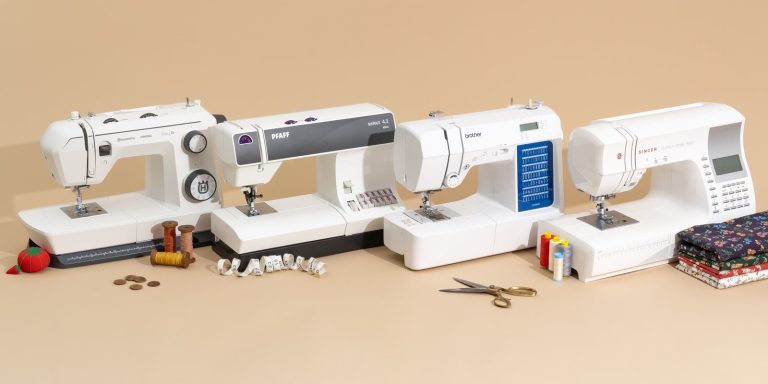
If you are wondering what are the best sewing machines for quilting, the Juki TL-2010Q and Brother PQ1500SL are top choices due to their high-speed straight-stitch performance and generous throat space. These machines provide a drop-in bobbin, a walking foot, and nine inches of workspace to keep bulky layers flat and stable during assembly.
Why it works / what to know first
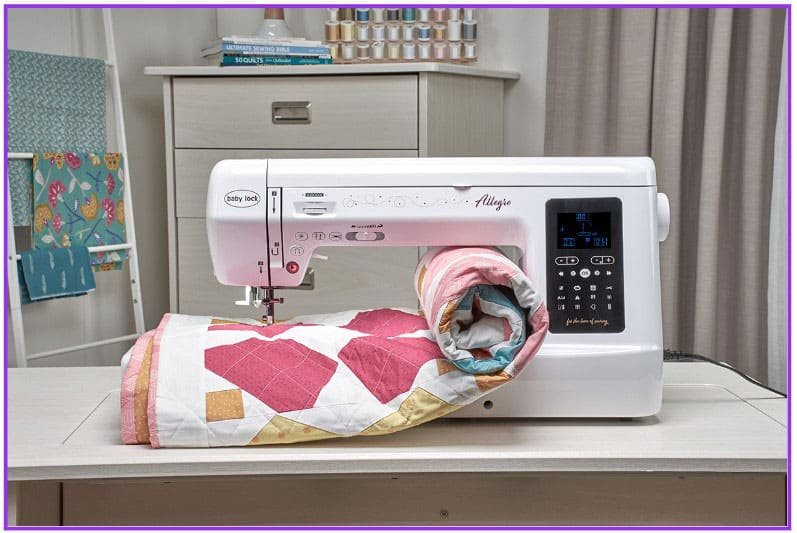
A quilting machine differs from a standard sewing machine primarily in its throat size. This is the distance between the needle and the machine’s body. If the space is too small, you’ll struggle to roll or fold the quilt, which causes the fabric to bunch up and creates uneven seams. A machine with a larger throat lets you maneuver the quilt sandwich with ease, leading to much cleaner results.
The most common mistake beginners make is ignoring the motor’s feed power. Quilts consist of three layers—the top, the batting, and the backing. If the machine can’t handle the thickness of these layers, the stitches will skip or the fabric will jam. You should always test your chosen machine with a sample sandwich of your specific batting before starting a large project to see if the tension needs adjustment.
Setting up your quilting sewing machine
- Attach the walking foot to your machine, as this is the single most important tool for moving the three layers of your quilt at the same speed.
- Set your stitch length to three millimeters, which is the standard length for securing thick quilt layers without causing too much stress on the fabric.
-
Clean the bobbin area using a small brush to remove lint buildup; if you don’t do this every ten hours of sewing, the machine will likely experience tension issues. Tip: Never use canned air to clean the machine, as it pushes dust deeper into the internal gears where it can cause permanent damage.
-
Wind your bobbin slowly and evenly to ensure that the thread tension remains consistent throughout your sewing session. Tip: If your machine uses a specific brand of bobbin, only use that brand, as different shapes can cause the machine to jam or skip stitches.
-
Practice your free-motion quilting on a scrap piece of fabric for at least thirty minutes before moving to the actual quilt top.
- Check your needle size; for most quilting, a 90/14 universal or quilting needle is the correct choice, but you must verify this against the needle and thread compatibility charts provided by the manufacturer to avoid broken needles.
How long it takes
The time required to finish a quilt depends on the machine’s top speed and the complexity of your chosen pattern.
| Situation | How long | What changes it | What to watch for |
|---|---|---|---|
| Simple straight lines | 2-4 hours | Quilt size | Bobbin thread levels |
| Free-motion patterns | 6-10 hours | Intricacy of design | Needle heat buildup |
| Binding the edges | 1-2 hours | Width of binding | Tension consistency |
If your machine is taking significantly longer than these estimates, you’re likely working with a batting that’s too thick for your machine’s motor, or your needle has become dull and is dragging through the fabric layers.
How to tell when it’s done
You know a quilt is finished when the tension is balanced on both sides and the seams are secure. The top and bottom threads should lock in the middle of the fabric layers. If you see the bottom thread pulling through to the top, your top tension is too tight. If the top thread shows on the back, the top tension is too loose.
If the signs disagree—for example, if the thread looks correct but the fabric is puckering—perform a “tug test.” Gently pull the quilt at the seam lines; if the threads snap or the fabric shifts noticeably, your stitch length is too long or the tension is too light. This varies by model—check the label on your specific presser foot to see if it requires a manual height adjustment for thicker quilts.
Mistakes that ruin it
- Using a standard foot instead of a walking foot: This causes the top layer of fabric to move faster than the bottom, resulting in unsightly pleats and ripples. Always swap to a walking foot to ensure all three layers move through the feed dogs simultaneously.
- Neglecting to change the needle: A dull needle will pierce the fabric fibers rather than gliding between them, which leads to permanent holes and potential fabric tearing. Replace your needle after every eight to ten hours of active sewing time to maintain a sharp point.
- Forgetting to stabilize the quilt sandwich: If you don’t pin or baste the layers together, they will shift during the quilting process, causing the backing to extend beyond the top. Use safety pins every four inches across the entire surface to keep the layers perfectly aligned.
Frequently asked questions
What are the best sewing machines for quilting?
Yes, you can use a regular sewing machine for quilting if it has a way to drop the feed dogs and sufficient throat space. Standard machines work well for smaller projects like table runners. You’ll need a walking foot attachment to keep fabric layers moving together without shifting.
Why does my thread keep breaking while quilting?
Thread breakage usually occurs because the top tension is too high or the needle is incompatible with the thread weight. Ensure your thread is seated correctly in the tension discs and the needle size matches your thread. Reducing your sewing speed can also prevent friction heat from snapping the thread.
How long should a sewing machine last?
A high-quality mechanical sewing machine can last twenty to thirty years with regular professional maintenance. Digital machines typically last ten to fifteen years due to their complex electronic components. Keep your machine covered when not in use to prevent dust accumulation and protect the internal hook mechanism.
Is it safe to leave a quilt in the machine?
It’s safe to leave your quilt in the machine for short breaks, provided you lower the presser foot to hold the fabric. If you’re leaving for more than a few hours, remove the quilt to prevent pressure on the needle. Always turn the power off when leaving the room.
What happens if I don’t use a walking foot?
Without a walking foot, quilt layers move at different speeds, causing the fabric to pucker and bunch. A walking foot uses built-in feed dogs to grip the top fabric, matching the movement of the machine’s bottom feed dogs. This synchronization keeps your seams straight and your patterns aligned.
Final Thoughts
Finding the right machine is just the start of your creative journey. Once you’ve picked a model that feels comfortable, don’t be afraid to test it with some scrap fabric. You’ll soon see how much easier your projects become when you’re working with the right tools by your side.
{“@context”:”https://schema.org”,”@type”:”FAQPage”,”mainEntity”:[{“@type”:”Question”,”name”:”What are the best sewing machines for quilting?”,”acceptedAnswer”:{“@type”:”Answer”,”text”:”Yes, you can use a regular sewing machine for quilting if it has a way to drop the feed dogs and sufficient throat space. Standard machines work well for smaller projects like table runners. You’ll need a walking foot attachment to keep fabric layers moving together without shifting.”}},{“@type”:”Question”,”name”:”Why does my thread keep breaking while quilting?”,”acceptedAnswer”:{“@type”:”Answer”,”text”:”Thread breakage usually occurs because the top tension is too high or the needle is incompatible with the thread weight . Ensure your thread is seated correctly in the tension discs and the needle size matches your thread. Reducing your sewing speed can also prevent friction heat from snapping the thread.”}},{“@type”:”Question”,”name”:”How long should a sewing machine last?”,”acceptedAnswer”:{“@type”:”Answer”,”text”:”A high-quality mechanical sewing machine can last twenty to thirty years with regular professional maintenance. Digital machines typically last ten to fifteen years due to their complex electronic components. Keep your machine covered when not in use to prevent dust accumulation and protect the internal hook mechanism.”}},{“@type”:”Question”,”name”:”Is it safe to leave a quilt in the machine?”,”acceptedAnswer”:{“@type”:”Answer”,”text”:”It’s safe to leave your quilt in the machine for short breaks, provided you lower the presser foot to hold the fabric. If you’re leaving for more than a few hours, remove the quilt to prevent pressure on the needle. Always turn the power off when leaving the room.”}},{“@type”:”Question”,”name”:”What happens if I don’t use a walking foot?”,”acceptedAnswer”:{“@type”:”Answer”,”text”:”Without a walking foot, quilt layers move at different speeds, causing the fabric to pucker and bunch. A walking foot uses built-in feed dogs to grip the top fabric, matching the movement of the machine’s bottom feed dogs. This synchronization keeps your seams straight and your patterns aligned.”}}]}