Is Brother or Singer Better? A Guide to Choosing Your Machine
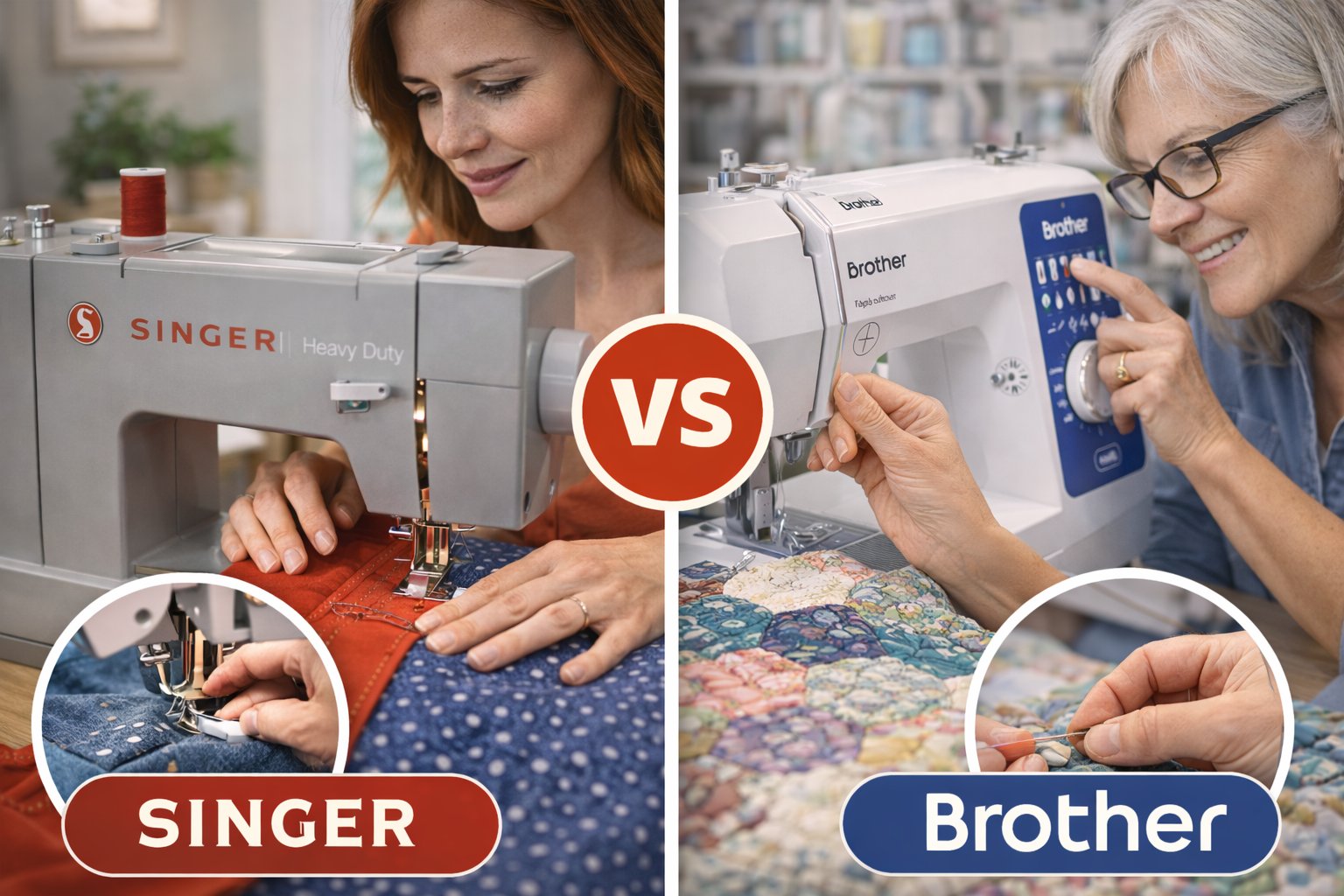
Deciding whether brother or singer better suits your needs depends entirely on your project type, as Brother machines are generally favored for their intuitive digital interfaces, while Singer models often excel in mechanical simplicity and legacy parts availability. Choosing between these brands requires looking at your own experience level and the specific tasks you plan to tackle most often.
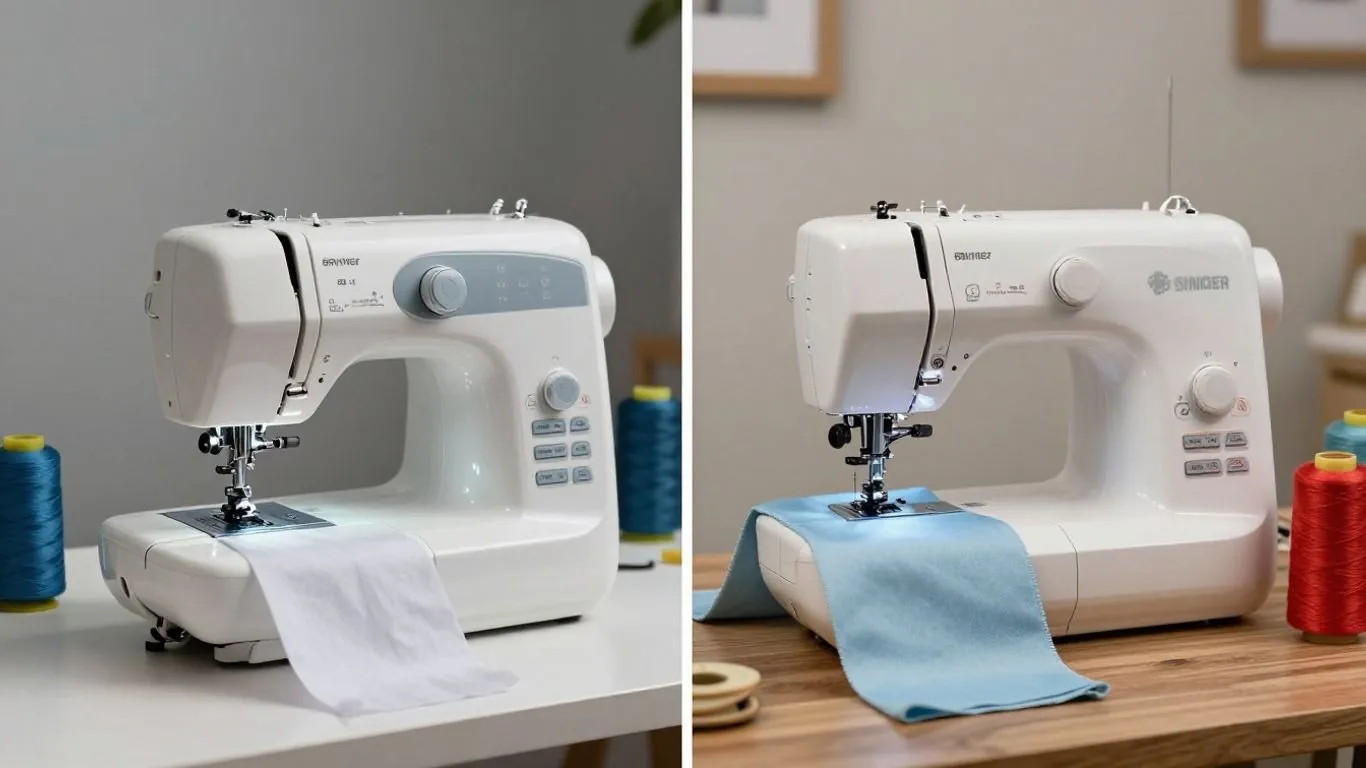
Comparing Brother and Singer performance
| Cause | How common | How to confirm it | Fix it yourself? |
|---|---|---|---|
| User interface style | Very common | Check the display panel | Yes |
| Stitch variety | Common | View the stitch chart | Yes |
| Parts availability | Common | Search model serial number | Yes |
| Motor power | Occasional | Check the wattage rating | Yes |
| Tension calibration | Occasional | Test on scrap fabric | Yes with care |
| Frame construction | Rare | Inspect the internal casing | No |
Understanding user interface differences
Brother machines typically prioritize computerized features that guide the user through stitch selection and settings. These models often include a liquid crystal display that shows the selected stitch, length, and width, making them popular for beginners who want visual confirmation of their settings. If you prefer digital assistance, you’ll likely find a Brother machine more helpful for learning new techniques.
The interface on these machines usually includes a start/stop button and a speed control slider. These features allow you to sew without using a foot pedal, which is a major benefit for those with limited mobility. If you need to perform complex tasks, the automated needle threader on most Brother models simplifies the setup process significantly. You can find technical specifications for these features on the Brother official product support page.
However, these digital features can be a drawback if you prefer a tactile, mechanical feel. If your goal is to master the fundamentals of mechanical tension and manual stitch adjustment, a machine with fewer digital components is often a better choice. The reliance on electronic boards means that if a digital component fails, it usually requires a professional technician to repair or replace the entire circuit board.
Evaluating mechanical simplicity and legacy
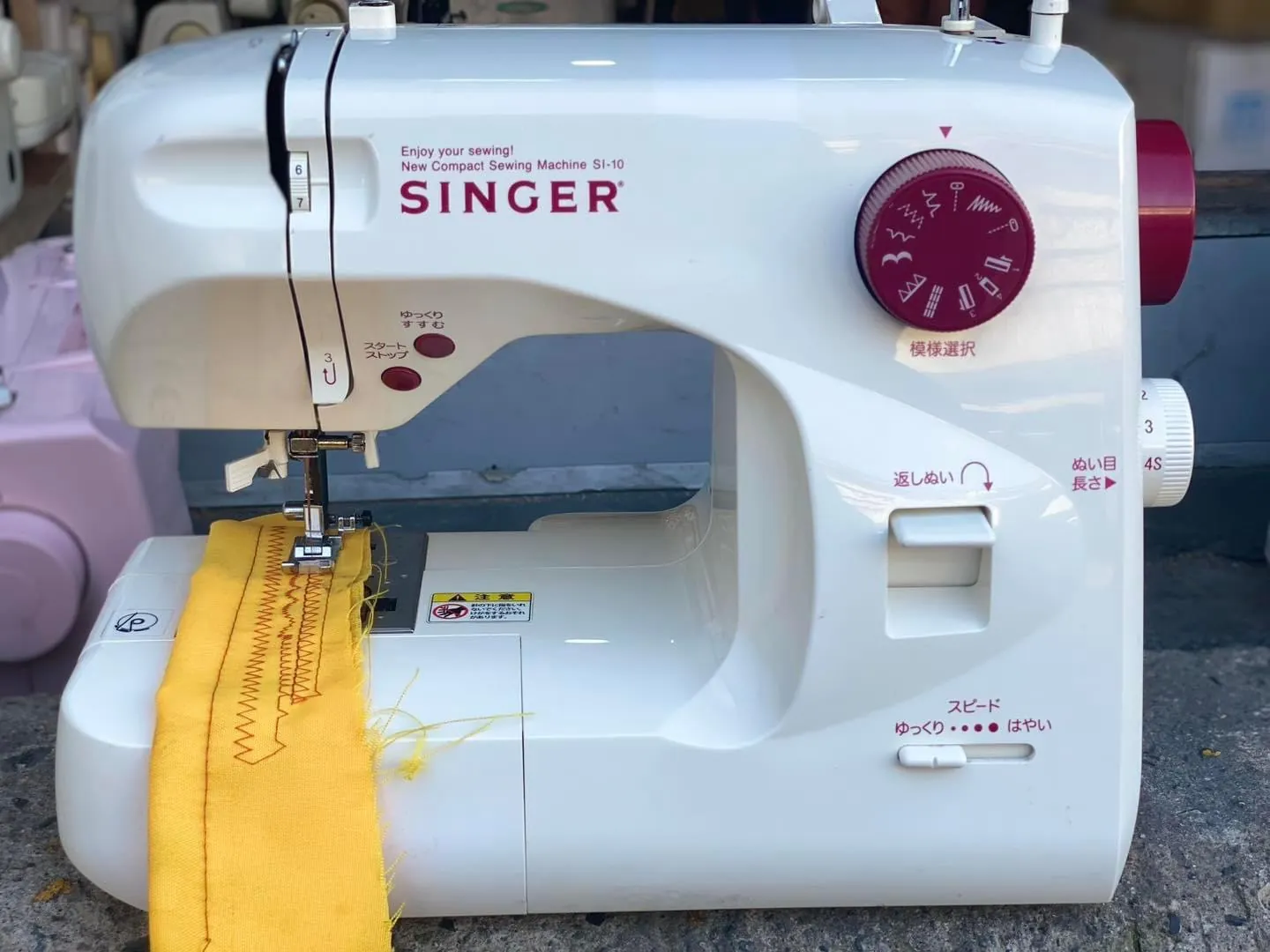
Singer machines are frequently chosen for their long-standing reputation for mechanical reliability and straightforward operation. Many of their models maintain a traditional design that focuses on physical dials and levers rather than screens. If you enjoy the feel of manual control, you’ll likely prefer a Singer for its ability to handle repetitive sewing tasks without complex programming.
You can tell if a machine is designed for mechanical simplicity by looking for physical knobs instead of digital buttons. These machines allow you to adjust stitch length and width through mechanical rotation, which gives you immediate feedback on how the machine is reacting to your input. This is often better for users who want to understand the physics of the stitch formation process rather than relying on presets.
A major advantage of this brand is the wide availability of universal parts. Because the design of many Singer models has remained consistent for decades, finding replacement feet, bobbins, and needles is usually simple. If you’re someone who works on a variety of fabrics, from lightweight silk to heavy denim, the mechanical robustness of these machines often provides the stability needed for consistent results across different material thicknesses.
Weighing motor power and frame quality
Motor power is a key factor that determines how well a machine handles heavy-duty fabrics like denim or leather. Brother machines often balance motor efficiency with computerized precision, while many Singer models focus on providing raw torque in their heavy-duty series. If you plan to sew thick layers, you should check the motor wattage to ensure it meets the requirements for your specific fabric weight.
The internal frame material is another point of variation that impacts the machine’s longevity. Machines with metal frames generally offer more stability and less vibration at high speeds, which leads to cleaner stitches. If you notice your machine jumping or vibrating excessively on your table, it may be due to a lightweight plastic internal structure.
If you’re unsure about the build quality of a model you’re considering, look for the official manual provided by the manufacturer. The manual will specify the maximum fabric thickness the machine is rated to handle. If you try to push the machine beyond these limits, you risk breaking the needle or damaging the internal timing belt, which requires professional service to fix.
Rare technical issues and limitations
Electronic sensor errors occur when dust interferes with the bobbin sensors, often requiring a simple cleaning with a soft brush. If your machine displays a “sensor error” code despite a clean bobbin area, check for stray thread fragments caught behind the bobbin case.
Timing misalignment happens if a needle hits the plate. This is a specialized repair that requires a certified technician to reset the hook-to-needle distance. Don’t attempt to force the handwheel if you feel resistance, as this can bend the needle bar or shear internal gears.
Foot pedal connectivity issues are rare but usually stem from a loose connection. Resolve this by firmly unplugging and re-seating the cable. If the machine runs sporadically, the internal contacts in the pedal are likely oxidized.
Mainboard failure is an uncommon issue. It requires professional service, as it involves sensitive electronic components that are easily damaged by static discharge.
What a typical repair entails

Fixing a sewing machine usually requires either basic maintenance or professional intervention. Simple tasks like cleaning the bobbin area or changing a needle require only a small screwdriver and a soft brush, which are usually included with the machine. These tasks are low-cost and only take a few minutes to perform, making them a regular part of ownership.
If your machine requires a timing adjustment or a motor replacement, you’ll need to seek a professional technician. These repairs are significantly more expensive and often require waiting for specific parts to arrive from the manufacturer. You can determine if a repair is worth the cost by comparing the price of the service to the current value of a new machine. Always check the official website of the manufacturer to find a list of authorized service centers near you.
Frequently Asked Questions
Can I use universal parts on both brands?
Yes, many basic components like needles and bobbins are universal, but you must check your specific model number. Always verify the part compatibility in the machine’s manual before purchasing, as using the wrong size bobbin or needle can cause tension issues or internal damage to the machine’s hook area.
Is it safe to repair the machine myself?
It’s safe to perform routine maintenance like cleaning and oiling, but you should never open the internal casing of a computerized machine. Opening the housing can void your warranty and expose you to electrical components, so always leave internal mechanical repairs to a qualified technician who has the proper training.
How long should a machine last?
Most modern machines can last for a long time with proper care, but this depends on how often you sew and how well you maintain it.
What happens if I use the wrong thread weight?
Using a thread weight that’s too thick for your needle will cause skipped stitches and constant thread breakage. You should always match your needle size to the thread weight according to the chart provided in your machine’s manual to ensure the stitch forms correctly and the tension remains balanced throughout your project.
Does it matter where I buy my machine?
It matters because buying from an authorized dealer often includes a local warranty and free lessons on how to use your new machine. While online marketplaces may offer lower prices, you might lose the benefit of professional support and immediate troubleshooting help if you encounter issues during the setup of your machine.
How often should I clean my machine?
You should clean the bobbin case after every 8 to 10 hours of sewing to prevent lint buildup. If you’re sewing with materials that produce a lot of fiber, such as fleece or flannel, you should increase the frequency of your cleaning to ensure the feed dogs continue to move the fabric evenly.
Conclusion
Ultimately, the best choice is the one that makes you feel excited to sit down and create. Don’t worry about picking the perfect machine on your first try. Instead, visit a local shop to test a few models in person; you’ll quickly see which one feels right in your hands.
{“@context”:”https://schema.org”,”@type”:”FAQPage”,”mainEntity”:[{“@type”:”Question”,”name”:”Can I use universal parts on both brands?”,”acceptedAnswer”:{“@type”:”Answer”,”text”:”Yes, many basic components like needles and bobbins are universal, but you must check your specific model number. Always verify the part compatibility in the machine’s manual before purchasing, as using the wrong size bobbin or needle can cause tension issues or internal damage to the machine’s hook area.”}},{“@type”:”Question”,”name”:”Is it safe to repair the machine myself?”,”acceptedAnswer”:{“@type”:”Answer”,”text”:”It’s safe to perform routine maintenance like cleaning and oiling, but you should never open the internal casing of a computerized machine. Opening the housing can void your warranty and expose you to electrical components, so always leave internal mechanical repairs to a qualified technician who has the proper training.”}},{“@type”:”Question”,”name”:”How long should a machine last?”,”acceptedAnswer”:{“@type”:”Answer”,”text”:”Most modern machines can last for a long time with proper care, but this depends on how often you sew and how well you maintain it.”}},{“@type”:”Question”,”name”:”What happens if I use the wrong thread weight?”,”acceptedAnswer”:{“@type”:”Answer”,”text”:”Using a thread weight that’s too thick for your needle will cause skipped stitches and constant thread breakage. You should always match your needle size to the thread weight according to the chart provided in your machine’s manual to ensure the stitch forms correctly and the tension remains balanced throughout your project.”}},{“@type”:”Question”,”name”:”Does it matter where I buy my machine?”,”acceptedAnswer”:{“@type”:”Answer”,”text”:”It matters because buying from an authorized dealer often includes a local warranty and free lessons on how to use your new machine. While online marketplaces may offer lower prices, you might lose the benefit of professional support and immediate troubleshooting help if you encounter issues during the setup of your machine.”}},{“@type”:”Question”,”name”:”How often should I clean my machine?”,”acceptedAnswer”:{“@type”:”Answer”,”text”:”You should clean the bobbin case after every 8 to 10 hours of sewing to prevent lint buildup. If you’re sewing with materials that produce a lot of fiber, such as fleece or flannel, you should increase the frequency of your cleaning to ensure the feed dogs continue to move the fabric evenly.”}}]}