Which Sewing Machine Brand Is Best for Your Specific Needs
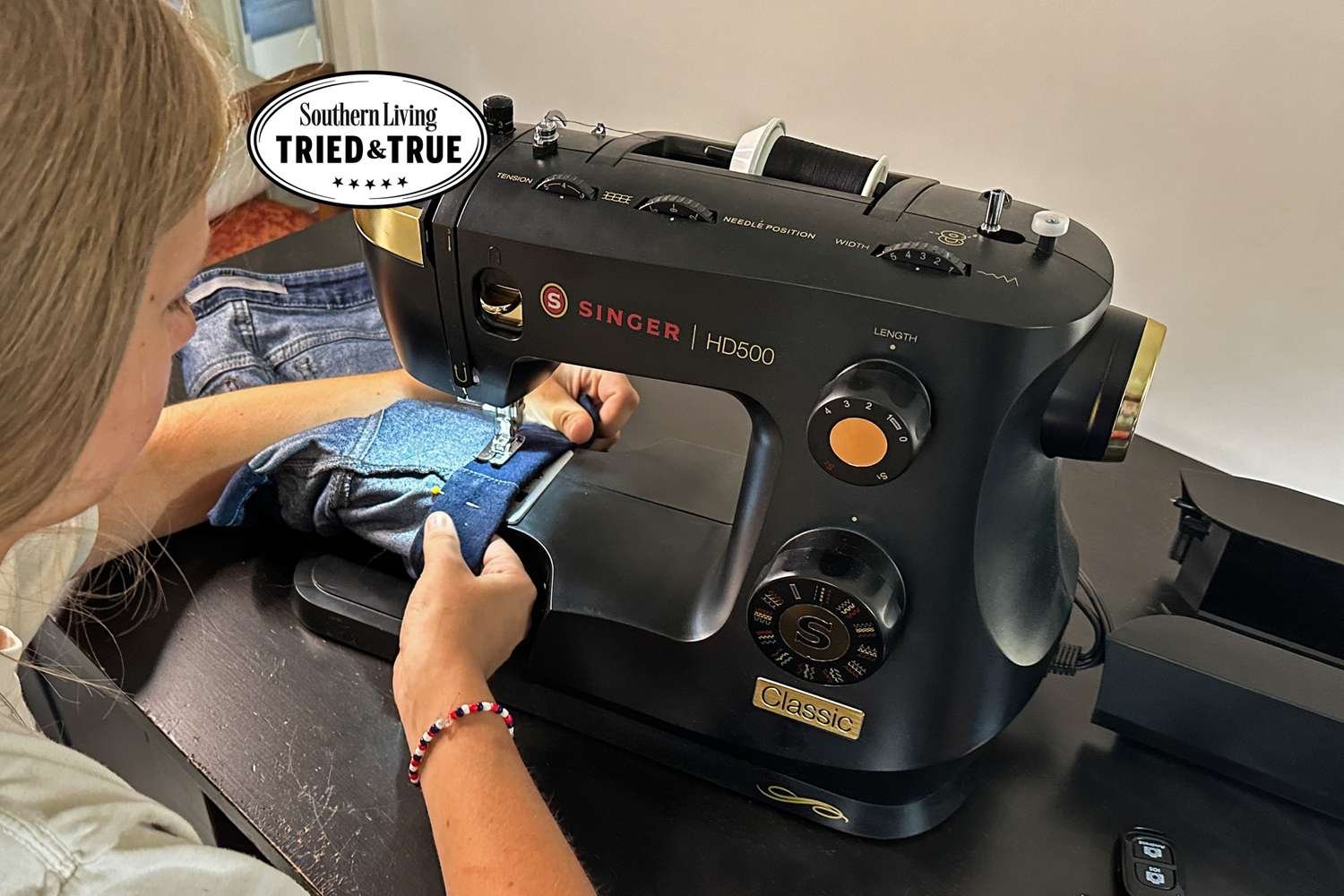
Choosing the best sewing machine brand depends entirely on your specific project needs and skill level. Many people find success with brands like Brother or Janome for home use, while others prefer Juki or Bernina for heavy-duty or professional work. The right choice is the one that matches your personal sewing goals.
Comparing top sewing machine brands
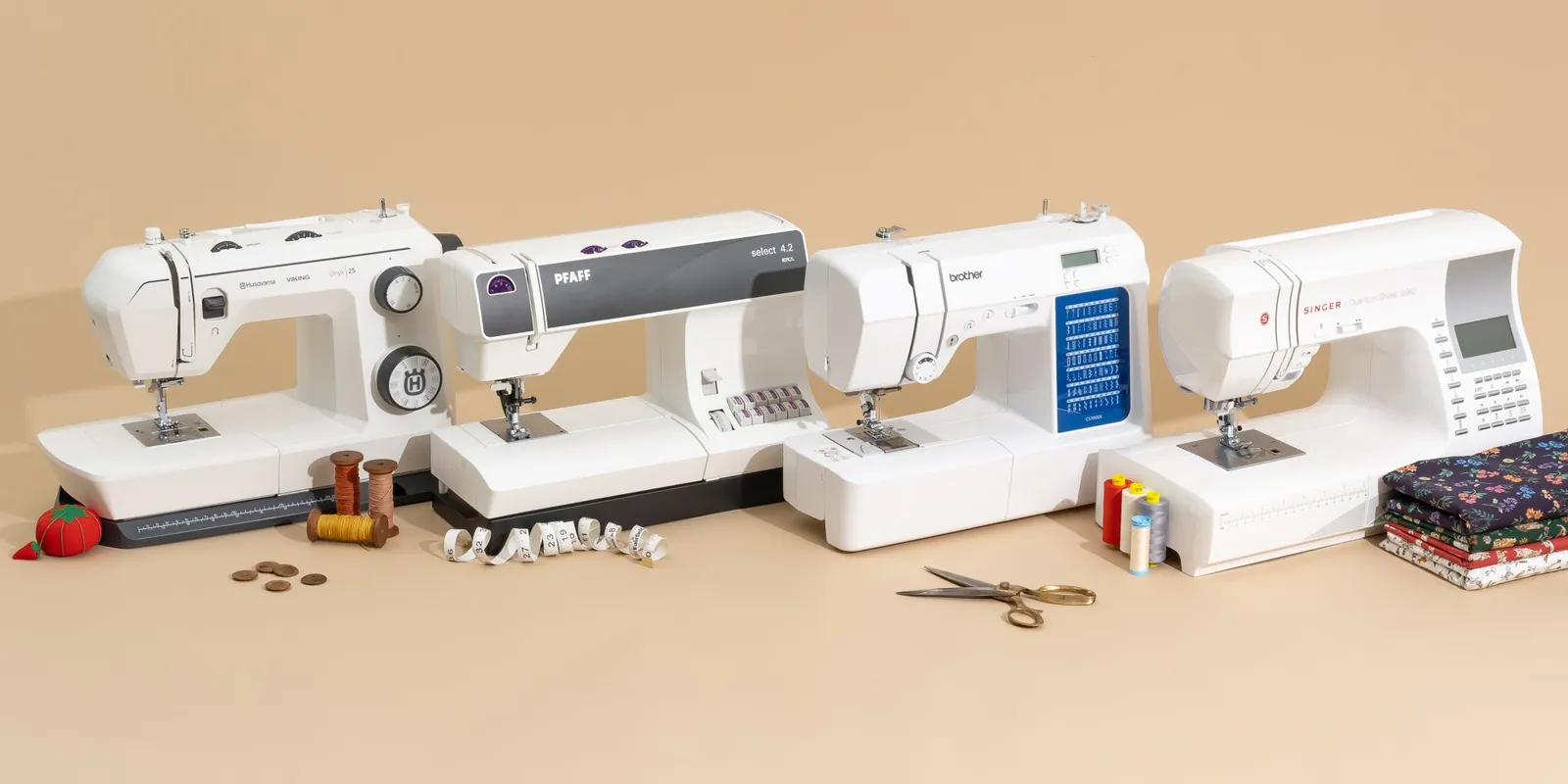
Choosing a machine often comes down to the features you need versus your budget. Reliability and user support are just as important as the stitch count or motor power.
| Brand | Best for | Reliability | Support | Price Range |
|---|---|---|---|---|
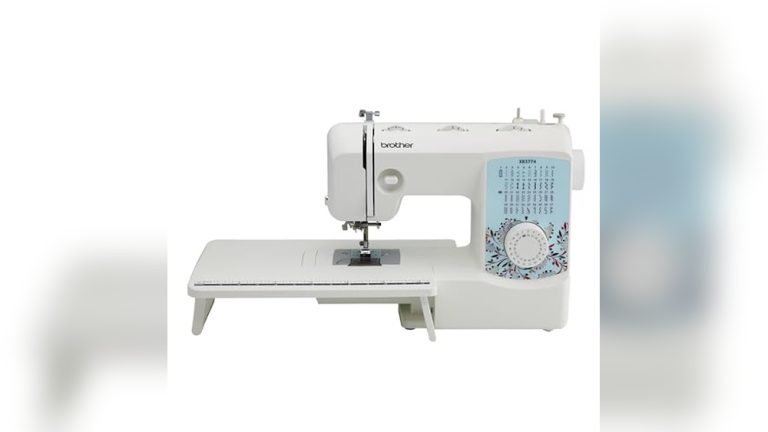
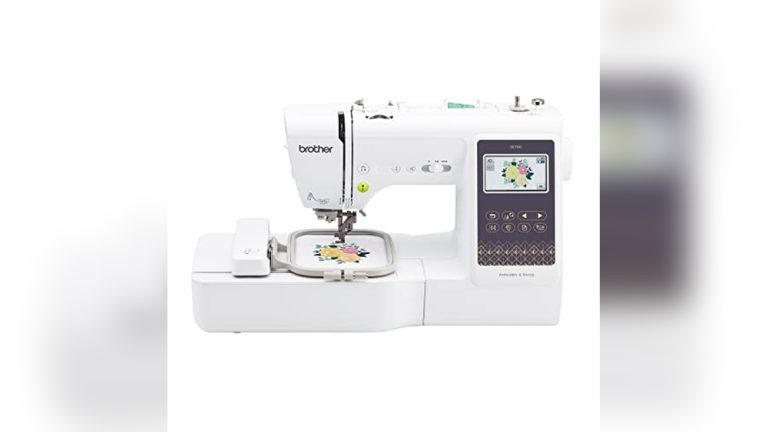
| Brother | Beginners | High | Excellent | Low to Mid |
| Janome | Quilting | High | Good | Mid |
| Bernina | Precision | Very High | Excellent | High |
| Juki | Heavy Duty | Very High | Fair | Mid to High |
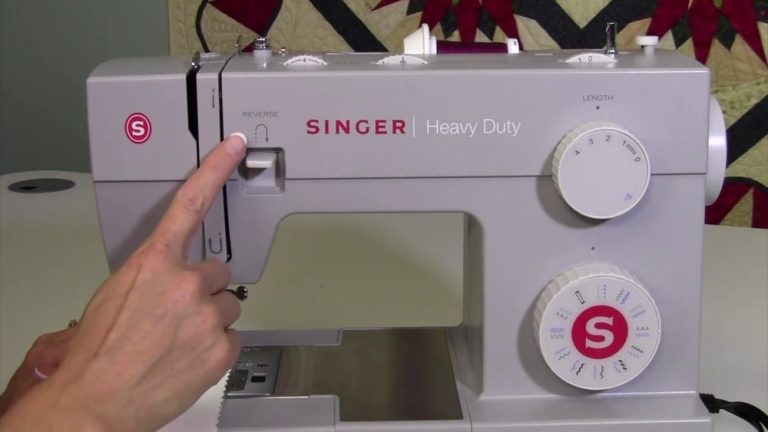
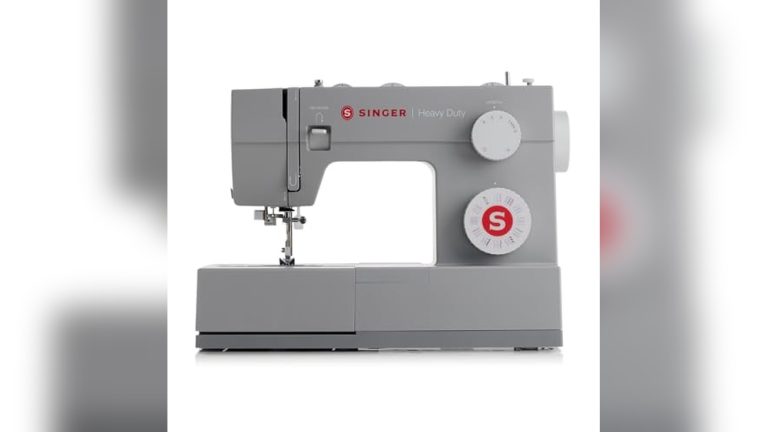
| Singer | General Use | Moderate | Good | Low |
| Viking | Embroidery | High | Good | High |
If you’re a beginner, look for a machine with a top-loading bobbin and an automatic needle threader. These two features prevent the most common frustrations that cause new sewers to quit within their first month.
If you’re a professional, prioritize mechanical specs like motor torque and metal internal frames over digital bells and whistles. A heavy-duty motor allows you to sew through thick denim or leather without skipped stitches.
Check your local area for authorized service centers before buying. If a brand has no technician within twenty miles, you’ll pay for shipping every time the machine needs a routine tune-up. Always test the tension dial with a scrap of your primary fabric. If the machine can’t handle your specific material in the shop, it won’t perform at home.
Reliability and build quality
The internal construction of a machine determines how long it will last under regular use. Machines with metal internal frames, such as those often found in Bernina sewing machines, typically offer better stability during high-speed sewing. If you plan to sew heavy fabrics like denim or canvas, a metal frame is essential to prevent internal parts from shifting over time.
A common mistake is buying a machine based solely on the number of decorative stitches it offers. Many users pay for features they never use while sacrificing the core build quality needed for straight, consistent seams. This often leads to frustration when the machine struggles with basic fabric layers. If you need a machine for daily repairs, prioritize the motor strength and the quality of the feed dogs over screen size or patterns.
Look for a machine weighing at least 15 pounds. If the machine feels hollow when you tap the casing, it likely lacks the structural rigidity required for heavy-duty projects.
If you sew more than three hours a week, invest in a model with a steel hook assembly. If you only mend occasional hems, a lighter composite frame will suffice. You can test this by pushing the needle through four layers of denim; if the motor hums or stalls, the build quality is insufficient for long-term reliability.
Ease of use and interface
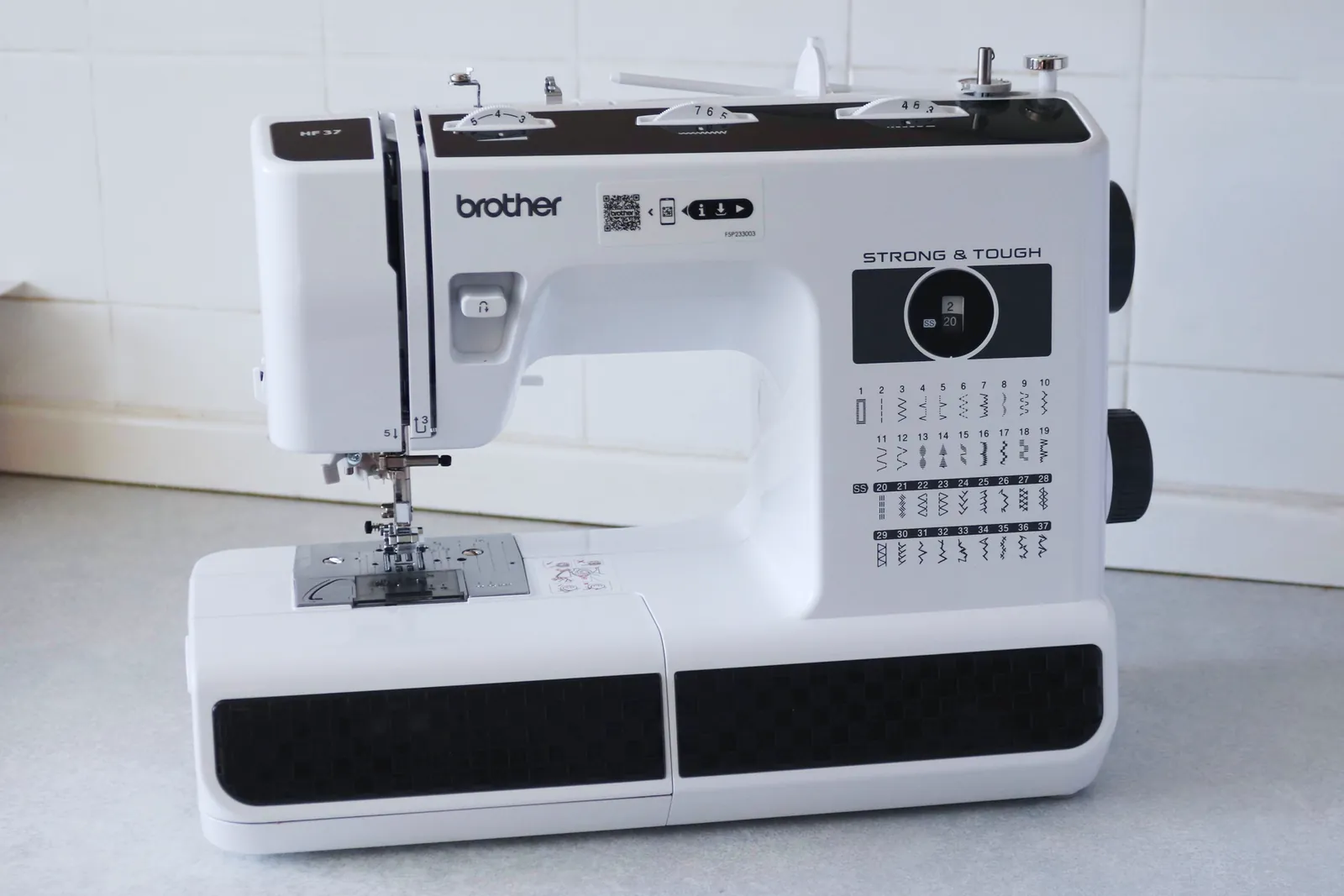
User experience varies significantly between mechanical and computerized models. A mechanical machine uses dials and levers, which are often easier for novices to troubleshoot without needing a manual. You can physically see the tension discs move, making it simple to spot a snag or a loose thread.
Computerized models offer push-button selection and automatic tension, which save time for experienced sewers who switch between fabric types frequently. If you frequently jump from heavy denim to delicate silk, the machine’s ability to calibrate settings instantly prevents skipped stitches.
If you struggle with threading or bobbin winding, look for models with built-in needle threaders and drop-in bobbin systems. These features reduce the setup time from minutes to seconds.
Be aware that computerized models have more parts that can fail. If the motherboard glitches, repairs require an authorized technician rather than a simple at-home adjustment. If you prioritize longevity over convenience, stick to mechanical dials. If you value speed and precision, the computerized interface is worth the risk of professional maintenance.
Rare causes of machine trouble
Needle type mismatch stems from choosing universal points for knits. Use ballpoint needles for stretch fabrics to prevent skipped stitches; otherwise, the needle pierces the fibers rather than sliding between them.
Lint buildup hides in the feed dog teeth, not just the bobbin case. If your fabric stops feeding evenly, use a stiff brush to clear the hidden debris. Compressed air often pushes lint deeper into the motor housing, which creates a fire hazard.
Tension imbalance usually occurs when the bobbin is wound unevenly. If you see loops on the underside, rethread both the top and bottom. If the issue persists, the tension discs likely have a stray thread trapped between them.
Motor overload happens when sewing through thick seams like denim hems. If the handwheel feels sluggish, stop. Forcing it will snap the drive belt or strip the plastic gears.
If you hear a grinding noise or smell ozone, stop immediately. These indicate electrical or gear failure requiring professional service.
What a fix usually involves
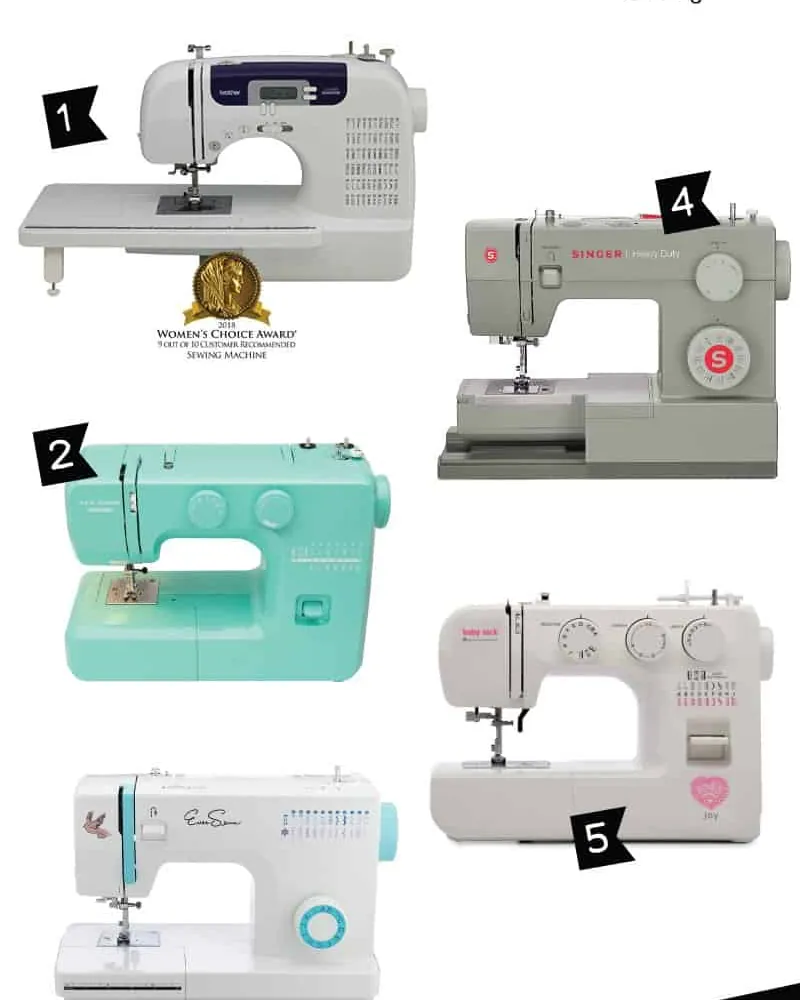
Fixing a machine often requires a mix of patience and the right parts. Basic maintenance, such as cleaning the lint from the bobbin area, costs only the price of a small brush and a few minutes of your time. If you need to replace a timing belt or calibrate the needle position, you’ll need specific tools like precision screwdrivers.
Most beginners fail by ignoring the tension discs, which collect microscopic debris that causes thread breakage. If your thread bunches at the bottom, clean the discs with a piece of dental floss before touching any internal gears.
Professional repairs can be quite expensive, often costing a significant portion of the machine’s initial value. A good rule is to avoid any repair exceeding 40% of the cost of a comparable new model. Before seeking a repair, check your user manual for troubleshooting steps.
If the machine is still under warranty, contact the manufacturer to find an authorized service center. Always ask for a written quote before authorizing any work to ensure the repair cost makes sense compared to buying a new unit.
Frequently asked questions
How long should a sewing machine last?
A well-maintained sewing machine can last for a long duration when used for standard home projects. If you sew daily or use heavy-duty materials, you should expect to perform professional maintenance periodically to ensure the motor and internal gears remain in good working order.
Is it safe to buy a used machine?
It’s safe to buy a used machine if you can test it before purchase. Ensure all dials move freely, the motor runs smoothly without burning smells, and the machine produces consistent stitches on a test piece of fabric. Avoid machines with cracked casings or missing internal screws.
How much should I spend?
You should expect to pay a modest amount for a quality beginner machine. Professional-grade machines often cost significantly more, depending on the advanced features required for your specific craft. Always research the specific model’s reputation rather than just the brand name.
What happens if the thread keeps breaking?
Thread breakage is usually caused by incorrect tension settings or a dull needle. Re-thread the machine completely, ensure your bobbin is inserted in the correct direction, and change to a fresh needle suited for your fabric weight to see if the problem stops.
Does the brand matter for a beginner?
The brand matters because of the availability of parts and repair shops in your local area. A popular brand like Brother or Singer ensures you can find bobbins, needles, and repair services easily, which is more important for a new sewer than having high-end, complex features.
How often do I need to oil my machine?
You should oil your machine according to the schedule in your specific manual, usually every 6 to 12 months of moderate use. Some modern machines use self-lubricating materials and require no oiling at all, so check the manufacturer’s documentation before adding any lubricant to the internal parts.
Conclusion
Before you commit to a purchase, visit a local dealer to test a few models in person. Don’t be afraid to bring your own fabric scraps to see how each machine handles your favorite materials. Once you’ve felt the tension and speed for yourself, you’ll be ready to start your next creative project.
{“@context”:”https://schema.org”,”@type”:”FAQPage”,”mainEntity”:[{“@type”:”Question”,”name”:”How long should a sewing machine last?”,”acceptedAnswer”:{“@type”:”Answer”,”text”:”A well-maintained sewing machine can last for a long duration when used for standard home projects. If you sew daily or use heavy-duty materials, you should expect to perform professional maintenance periodically to ensure the motor and internal gears remain in good working order.”}},{“@type”:”Question”,”name”:”Is it safe to buy a used machine?”,”acceptedAnswer”:{“@type”:”Answer”,”text”:”It’s safe to buy a used machine if you can test it before purchase. Ensure all dials move freely, the motor runs smoothly without burning smells, and the machine produces consistent stitches on a test piece of fabric. Avoid machines with cracked casings or missing internal screws.”}},{“@type”:”Question”,”name”:”How much should I spend?”,”acceptedAnswer”:{“@type”:”Answer”,”text”:”You should expect to pay a modest amount for a quality beginner machine . Professional-grade machines often cost significantly more, depending on the advanced features required for your specific craft. Always research the specific model’s reputation rather than just the brand name.”}},{“@type”:”Question”,”name”:”What happens if the thread keeps breaking?”,”acceptedAnswer”:{“@type”:”Answer”,”text”:”Thread breakage is usually caused by incorrect tension settings or a dull needle. Re-thread the machine completely, ensure your bobbin is inserted in the correct direction, and change to a fresh needle suited for your fabric weight to see if the problem stops.”}},{“@type”:”Question”,”name”:”Does the brand matter for a beginner?”,”acceptedAnswer”:{“@type”:”Answer”,”text”:”The brand matters because of the availability of parts and repair shops in your local area. A popular brand like Brother or Singer ensures you can find bobbins, needles, and repair services easily, which is more important for a new sewer than having high-end, complex features.”}},{“@type”:”Question”,”name”:”How often do I need to oil my machine?”,”acceptedAnswer”:{“@type”:”Answer”,”text”:”You should oil your machine according to the schedule in your specific manual, usually every 6 to 12 months of moderate use. Some modern machines use self-lubricating materials and require no oiling at all, so check the manufacturer’s documentation before adding any lubricant to the internal parts.”}}]}