3 Main Types of Sewing Machines: Mechanical, Electronic, Computerized
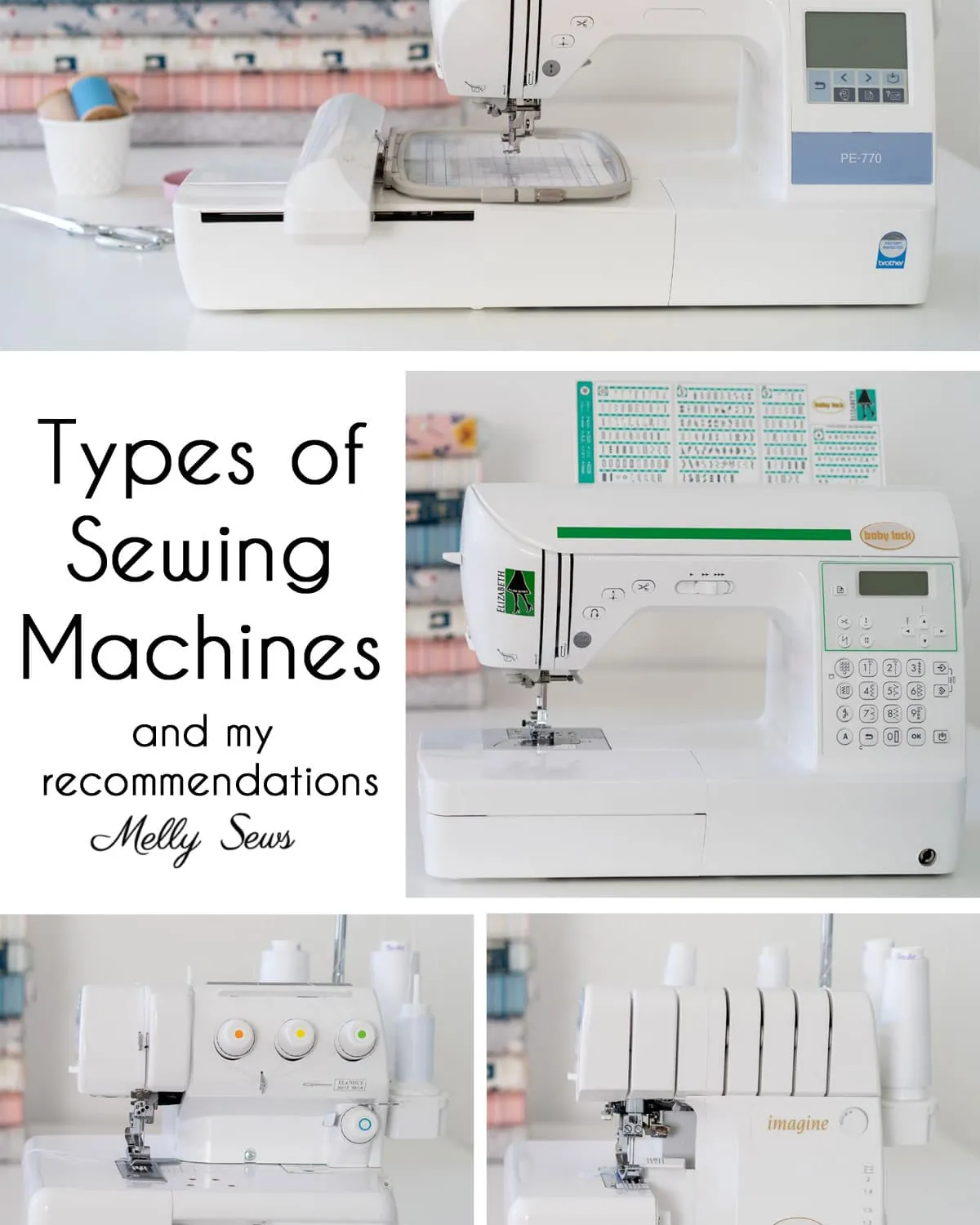
The 3 main types of sewing machines are mechanical, electronic and computerized. Mechanical models use dials and levers to set stitches. Electronic ones add circuitry to control the motor for smoother speed control. Computerized machines run on software, letting you pick stitches from a screen. If you’re buying your first machine, start with the type that matches the projects you’ll actually finish — not the one with the longest feature list.
Types of sewing machines compared
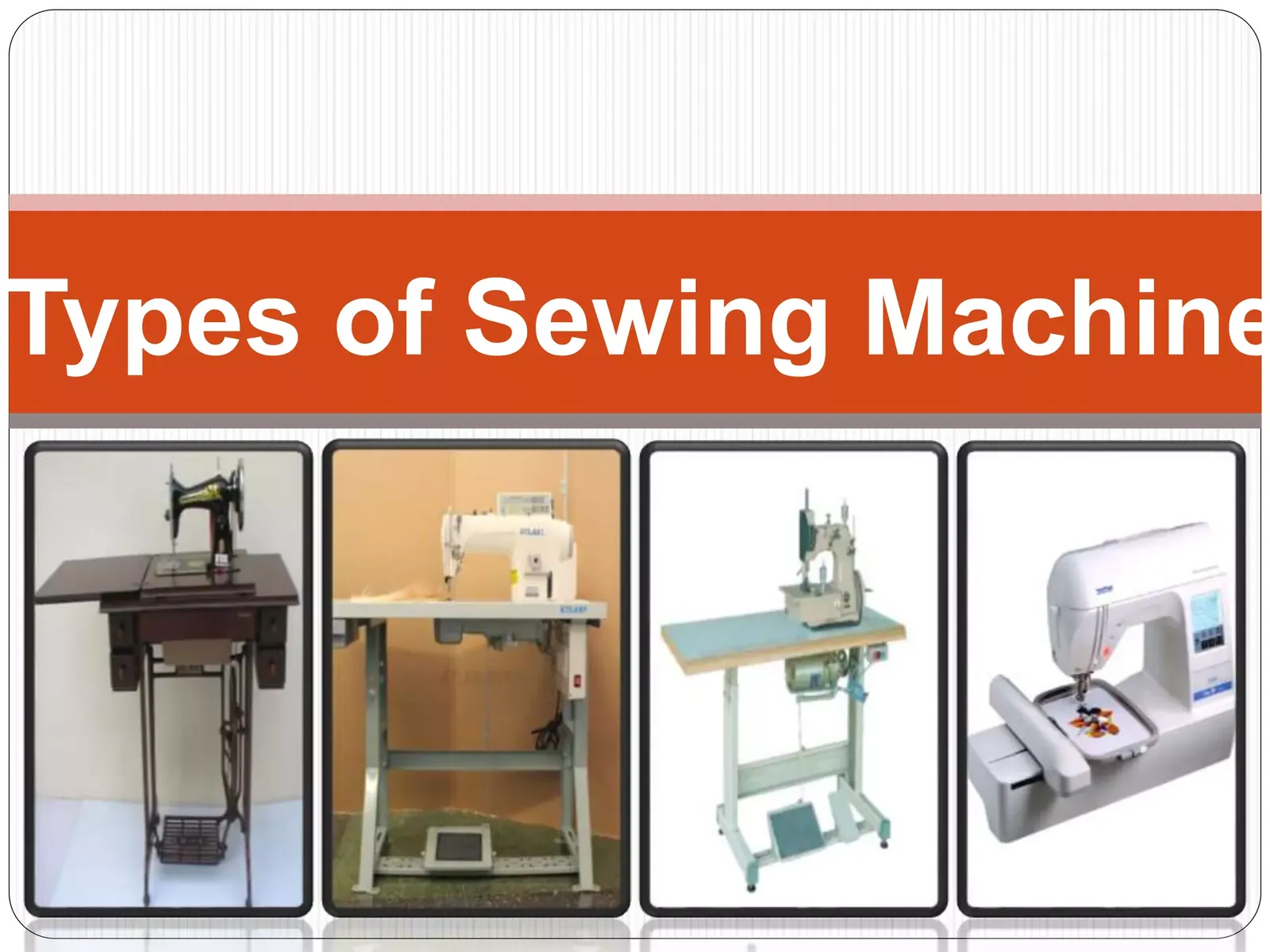
A mechanical machine is the right pick if you only need straight and zigzag stitches; if you want automatic buttonholes or memory functions, you’ll need an electronic or computerized model instead. The trade-off is simple: more features cost more money and take longer to learn.
| Feature | Mechanical | Electronic | Computerized |
|---|---|---|---|
| Stitch selection | Dials and levers | Buttons or dials | Touchscreen or buttons |
| Speed control | Foot pedal only | Motor-assisted pedal | Programmable slider |
| Buttonholes | Manual four-step | One-step auto | Multiple auto styles |
| Setup time | Fastest | Moderate | Longest |
| Repair difficulty | Easiest | Moderate | Hardest |
| Best for | Beginners, mending | Garment makers | Quilters, embroiderers |
Mechanical machines use dials and gears
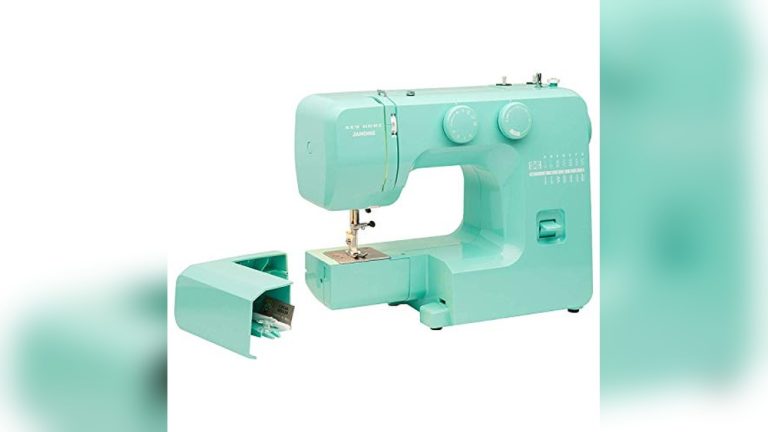
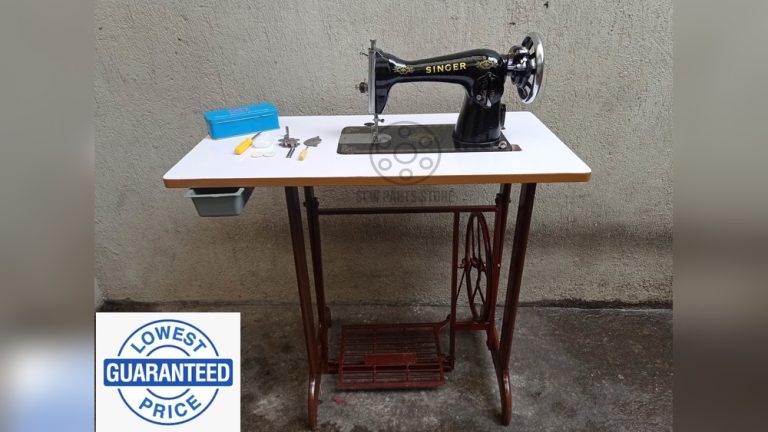
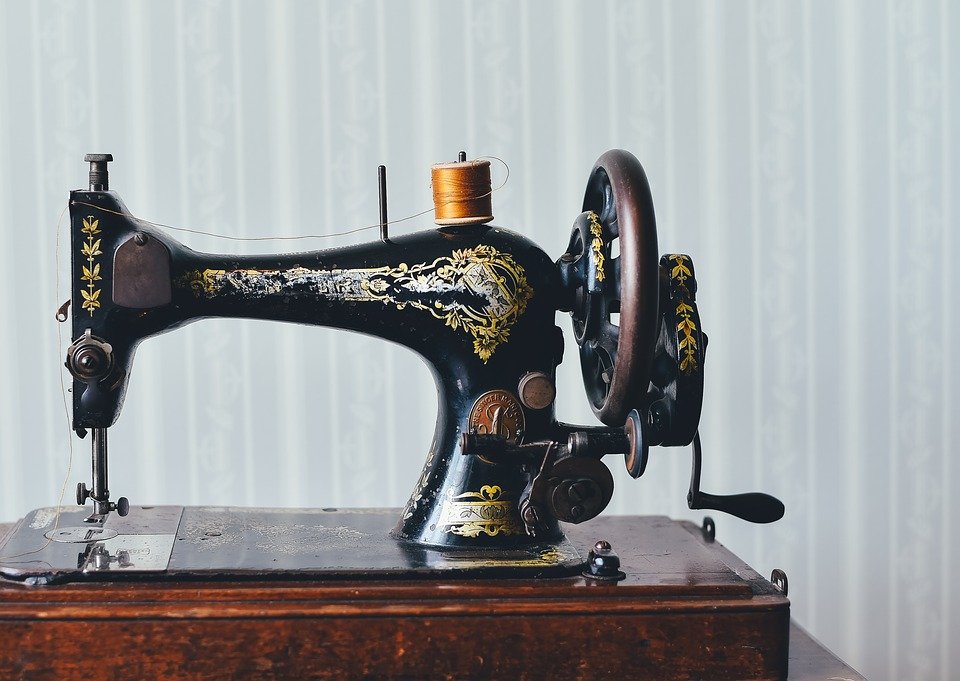
Mechanical machines rely on physical parts like gears, levers and dials to form stitches.
Fixing a skipped stitch here usually means re-threading the top path or swapping a bent needle.
The real cost of skipping this step-by-step check is wasted thread and puckered seams that force you to rip out a whole seam and start over. Maintenance stays cheap because replacement parts are standard metal pieces you can find at any sewing shop.
You don’t need a technician for basic upkeep. Oil the moving joints using two drops of sewing machine oil, as described in the Singer mechanical maintenance guide. How often you should do this depends on use, and the owner’s manual is the authority.
Electronic machines add motor control
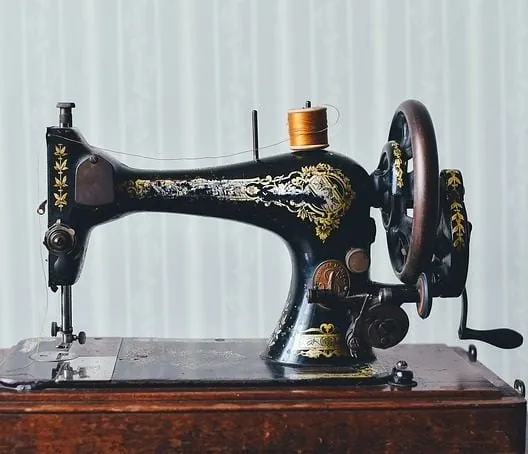
Electronic machines sit between fully manual dials and full computer screens. They still use a foot pedal, but a small circuit board controls the motor‘s power delivery.
You can tell this type apart from a mechanical one by the way it starts. Press the pedal lightly on an electronic model, and the needle moves slowly but with full piercing power. A mechanical machine often needs a harder push to get going, which can jerk your fabric out of place.
Setting up stitches involves pressing buttons or sliding switches rather than turning heavy dials. Most models offer a one-step automatic buttonhole, which measures your button and sews the whole shape without you stopping to turn the fabric. To test it, place a button in the foot’s holder, lower the lever and run the cycle on a scrap piece first.
If the buttonhole comes out uneven, the sensor arm probably didn’t drop all the way down. Pushing it firmly into place takes two seconds and prevents a ruined garment. Time-wise, threading and setting up an electronic machine takes slightly longer than a mechanical one because there are extra sensors to position correctly. Repairs cost more than mechanical fixes since replacing a circuit board requires ordering a specific part for your exact model line.
Computerized machines run on software
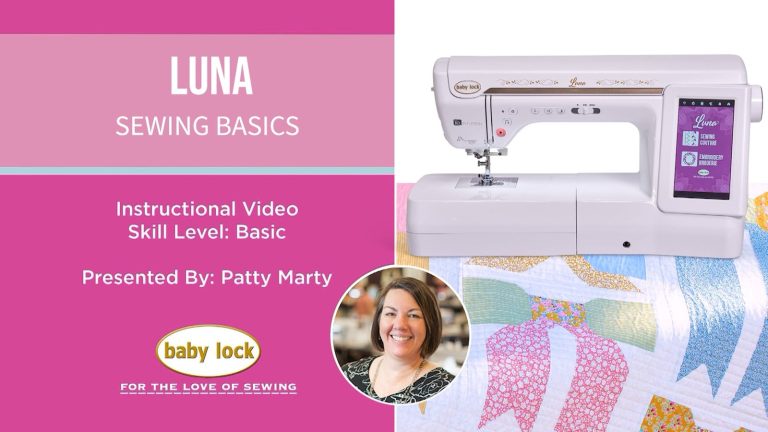
Computerized machines replace almost every physical dial with a digital interface. Inside, a microprocessor tells tiny motors exactly where to move the needle and feed dogs for every single stitch.
This precision is why quilters and embroiderers prefer them. The machine can remember your settings, repeat complex patterns perfectly and even stop automatically when a bobbin runs empty. To verify you have a computerized model, look for a screen that lights up with menus when you turn the power switch on.
Testing one before buying means plugging it in, selecting a built-in pattern from the menu and running it on two layers of cotton. Watch the screen to see how it guides you through each step. If the display freezes or shows an error code immediately, the software or mainboard has a fault.
Clearing a simple thread jam requires following the screen’s prompts, which usually tell you to raise the presser foot and remove the bobbin case. Skipping that guided sequence and pulling the fabric hard can bend the needle bar, turning a quick fix into a repair bill that costs as much as a brand-new basic machine.
Software updates occasionally add new stitches, though not every maker releases them. Check the manufacturer’s official support page to see if your specific model accepts updates.
Rare reasons a sewing machine acts up
Sometimes a machine doesn’t fit neatly into the three main types of sewing machines because it’s a specialty model or the problem isn’t the type at all.
- Overlock or serger confusion: It trims and wraps edges simultaneously, identified by having multiple cones of thread on top instead of a single spool.
- Embroidery-only units: They lack standard feed dogs for regular sewing, which you’ll notice when you try to push plain fabric through and it won’t advance.
- Wrong power voltage: Running a 110V machine on a 220V outlet can destroy the electronics or motor, which you can prevent by checking the rating plate near the power cord first.
- Internal timing loss: The needle strikes the bobbin case loudly, meaning the hook mechanism slipped out of sync after hitting a thick pin.
- Mainboard failure: The screen stays completely dark despite a working outlet, pointing to dead internal electronics.
If the timing is off or the mainboard is dead, stop adjusting things yourself. Forcing the handwheel when metal parts are striking each other breaks the needle bar or shatters the hook race. Take it to an authorized service center, because opening the motor housing or soldering boards requires training and tools most people simply don’t own.
What choosing a sewing machine demands
Picking the right type asks you to weigh what you’ll sew against what you’re willing to spend. A mechanical machine demands the least setup time, usually under two minutes to thread and start. An electronic one asks you to learn its sensor placements, adding about five minutes to your first project. A computerized model requires reading the manual to navigate its menus, which takes an hour or more upfront.
The cost difference scales with features. Moving from mechanical to electronic costs roughly the same as buying a second good pair of fabric shears. Jumping to computerized doubles or triples that gap again.
Frequently asked questions
Can I sew thick denim on a mechanical machine?
Yes, a mechanical machine handles denim if you use a size 90/14 or 100/16 needle designed for heavy fabrics. Go slowly and avoid crossing more than four layers at once. If the motor hums but the needle won’t pierce, stop pushing the pedal to prevent burning out the motor.
Why does my computerized machine keep beeping?
It beeps to warn you about a specific error, like a raised presser foot or an empty bobbin. Look at the screen for an error code, then check your manual’s troubleshooting section. Clearing the exact cause stops the noise immediately.
How long does a sewing machine last?
A well-maintained mechanical machine lasts longer than computerized models, which typically fail when their electronic boards give out. Your actual lifespan depends on how many hours you sew weekly and whether you clean the lint out after every large project.
Is it safe to oil an electronic machine myself?
No, you shouldn’t oil electronic or computerized machines unless the manual specifically points out external oiling spots. Putting oil near circuit boards causes short circuits. Leave internal lubrication to a certified technician who knows which plastic gears require special grease instead of standard oil.
What happens if I use the wrong voltage?
Plugging a 110V machine into a 220V outlet destroys the motor or mainboard within seconds. Always read the rating plate near the power cord before plugging it in. If you travel internationally, buy a heavy-duty step-down transformer rated for the machine’s exact wattage.
Does the weight of the machine matter?
Yes, heavier machines vibrate less when you sew fast or work with thick fabrics. A basic mechanical model weighs around 12 to 15 pounds, while larger computerized ones reach 20 to 25 pounds. If you carry yours to classes, pick one under 15 pounds with a solid handle.
How many stitches do I actually need?
Most garment sewing requires only 5 to 10 basic stitches, including straight, zigzag, blind hem and stretch stitches. Machines advertising 200 or more stitches mostly offer decorative variations you’ll rarely use. Pick a model that does the core stitches flawlessly rather than chasing a high number.
Conclusion
Choosing between these machines comes down to your hands, your fabric and your patience for menus. A mechanical dial feels instant, while a touchscreen offers precision once you learn its layout. Buy the one that makes you want to sit down and sew, because the best machine is the one you’ll actually thread and use.
{“@context”:”https://schema.org”,”@type”:”FAQPage”,”mainEntity”:[{“@type”:”Question”,”name”:”Can I sew thick denim on a mechanical machine?”,”acceptedAnswer”:{“@type”:”Answer”,”text”:”Yes, a mechanical machine handles denim if you use a size 90/14 or 100/16 needle designed for heavy fabrics. Go slowly and avoid crossing more than four layers at once. If the motor hums but the needle won’t pierce, stop pushing the pedal to prevent burning out the motor.”}},{“@type”:”Question”,”name”:”Why does my computerized machine keep beeping?”,”acceptedAnswer”:{“@type”:”Answer”,”text”:”It beeps to warn you about a specific error, like a raised presser foot or an empty bobbin. Look at the screen for an error code, then check your manual’s troubleshooting section. Clearing the exact cause stops the noise immediately.”}},{“@type”:”Question”,”name”:”How long does a sewing machine last?”,”acceptedAnswer”:{“@type”:”Answer”,”text”:”A well-maintained mechanical machine lasts longer than computerized models, which typically fail when their electronic boards give out. Your actual lifespan depends on how many hours you sew weekly and whether you clean the lint out after every large project.”}},{“@type”:”Question”,”name”:”Is it safe to oil an electronic machine myself?”,”acceptedAnswer”:{“@type”:”Answer”,”text”:”No, you shouldn’t oil electronic or computerized machines unless the manual specifically points out external oiling spots. Putting oil near circuit boards causes short circuits. Leave internal lubrication to a certified technician who knows which plastic gears require special grease instead of standard oil.”}},{“@type”:”Question”,”name”:”What happens if I use the wrong voltage?”,”acceptedAnswer”:{“@type”:”Answer”,”text”:”Plugging a 110V machine into a 220V outlet destroys the motor or mainboard within seconds. Always read the rating plate near the power cord before plugging it in. If you travel internationally, buy a heavy-duty step-down transformer rated for the machine’s exact wattage.”}},{“@type”:”Question”,”name”:”Does the weight of the machine matter?”,”acceptedAnswer”:{“@type”:”Answer”,”text”:”Yes, heavier machines vibrate less when you sew fast or work with thick fabrics. A basic mechanical model weighs around 12 to 15 pounds, while larger computerized ones reach 20 to 25 pounds. If you carry yours to classes, pick one under 15 pounds with a solid handle.”}},{“@type”:”Question”,”name”:”How many stitches do I actually need?”,”acceptedAnswer”:{“@type”:”Answer”,”text”:”Most garment sewing requires only 5 to 10 basic stitches, including straight, zigzag, blind hem and stretch stitches. Machines advertising 200 or more stitches mostly offer decorative variations you’ll rarely use. Pick a model that does the core stitches flawlessly rather than chasing a high number.”}}]}