How to Use a Leather Singer Sewing Machine for Heavy Projects
Using a leather singer sewing machine is the most reliable way for hobbyists to stitch heavy materials because these vintage-style mechanical units provide the necessary piercing force. If you’re working with thick harness leather or multiple layers of chrome-tanned hide, you need a heavy-duty model with an industrial motor. For lighter projects like thin garment leather, a standard household machine may work, provided you use the correct needle and thread. Always check your specific model’s manual, as modern plastic-geared machines may break under the strain of dense, non-fabric materials.
Comparing every leather singer sewing machine model

Choosing the right equipment depends on the thickness of your material and the frequency of your work.
| Method | How long | Effort | Cost | Best for |
|---|---|---|---|---|
| Vintage Mechanical | Medium | High | Low | Thick leather |
| Industrial Power | Fast | Low | High | Production work |
| Household Hybrid | Slow | Medium | Medium | Thin projects |
If you choose a vintage mechanical unit, you must ensure the internal gears are made of steel. Plastic gears may wear prematurely or crack under the high load required to pierce thick leather. Industrial machines offer the most power but require a dedicated space and a stable table. Household hybrids are accessible but often lack the torque needed for thick stitching, which leads to skipped stitches or jammed bobbins. Always verify your machine’s motor rating before starting; per the Singer sewing machine support documentation, using incorrect needles or heavy thread on machines not designed for it can cause permanent damage to the tension assembly.
Heavy duty vintage mechanical stitching
- Install a sharp leather-point needle, which has a cutting edge to pierce hide without tearing.
- Thread the machine with bonded nylon thread, as cotton thread will snap under the tension required for leather.
- Set the stitch length to the longest available setting, usually four to five millimeters, to prevent the needle holes from perforating the leather too closely and causing it to rip.
- Rotate the handwheel to ensure the needle is fully raised before moving the leather.
This method is excellent for beginners who want to learn the mechanics of stitch formation without complex electronics. It’s reliable because there are few parts to fail, and parts are often interchangeable between older models. The main weakness is the lack of a walking foot, which means you must manually guide the leather to keep stitches even. If the leather is too thick for the presser foot to lift, don’t force it, as you’ll bend the needle bar.
Dedicated industrial leather systems
- Ensure the machine features a walking foot, which moves the top and bottom layers of leather simultaneously.
- Adjust the thread tension dial to a tighter setting than you would use for canvas or denim.
- Use a servo motor rather than a clutch motor to control the speed, allowing for single-stitch precision on thick edges.
- Clean the bobbin area after every session, as leather dust and debris accumulate faster than fabric lint.
These systems are ideal for professionals who need consistent, long-term performance. The walking foot prevents the leather from shifting, which is a common error that ruins projects. One limitation is the cost and weight of these machines, which often require a specialized table and heavy-duty wiring. If you aren’t familiar with adjusting tension for different leather weights, consult a local sewing machine technician for guidance.
Manual hand-cranked leather assembly

- Mount the machine to a sturdy workbench using C-clamps to ensure it doesn’t move while you crank.
- Use a specialized leather-point needle and a thick, wax-coated polyester thread.
- Turn the hand crank at a steady, rhythmic pace, keeping your eyes on the needle entry point rather than the feed.
- Stop the machine with the needle in the lowest position if you need to pivot the leather for a corner.
This approach is best for portable work or environments without electricity. It gives you total control over every single stitch, which is a significant advantage when working on irregular shapes. The trade-off is the physical effort required, which makes long seams tiring. If you find the needle isn’t pulling the thread through completely, your top tension is likely too tight; loosen it one quarter-turn at a time.
Which one should you use?
When you’re in a hurry, choose an industrial system because its walking foot and high torque allow for rapid, professional-grade seams without constant adjustments. If you’re doing this for the first time, use a vintage mechanical unit, as its simple design helps you understand the relationship between needle size and thread weight without the complexity of modern computer boards. When you want the best possible result, the industrial system remains the clear choice because it handles the unique resistance of leather with the least amount of manual intervention.
The core trade-off remains the same: you either pay in money for an industrial machine that does the work for you, or you pay in time and labor by using a manual or vintage machine that requires constant attention. If you prioritize speed, you need high torque; if you prioritize learning, you need simplicity. Always test your settings on a scrap piece of the same leather before starting your final project to avoid wasting expensive material.
The rules that apply whichever way you choose
Regardless of your machine, you must use a needle specifically designed for leather. These needles have a wedge-shaped point that cuts through the hide, whereas standard needles are meant to push through fabric weave. Before you start, ensure your workspace is clean, as oils from the leather can stain your work surface. Check your tension partway through the first seam; if the stitch loops look loose on the underside, increase the top tension.
At the end of your project, always pull the threads to the back and tie them off manually, as backstitching on leather creates too many holes in one spot and weakens the seam. If you ever need to replace the motor or adjust the timing, contact a certified sewing machine repair technician for any internal mechanical or electrical repairs. Always contact a certified sewing machine repair technician for any internal mechanical or electrical repairs.
Frequently asked questions

Can I use a regular sewing machine for leather?
No, you can’t safely use a standard household machine for thick leather. These machines are designed for fabric and lack the motor torque and needle bar strength required to pierce dense hide. If you try, you’ll likely break your needle, jam the bobbin case, or strip the internal gears. For thin, soft leather, a household machine may work if you use a leather-point needle and a longer stitch length.
How long does a leather needle last?
A leather needle typically stays sharp for about five to ten hours of continuous sewing. Leather is abrasive and dulls metal points much faster than cotton or synthetic fabrics. If you notice the machine struggling to pierce the material or if you see skipped stitches, replace the needle immediately. A dull needle will cause the machine to snag, which can lead to broken thread or damaged leather grain.
Is it safe to sew heavy leather on a vintage singer?
Yes, it’s safe if the vintage model features heavy-duty, all-metal construction. These machines use steel gears that handle thick materials better than modern plastic-internal models. Always use a needle matched to your leather’s thickness and stop immediately if the motor sounds strained or overheats to prevent fire hazards.
What happens if I use the wrong thread on leather?
Using standard cotton or light polyester thread will cause the seam to fail under stress. Leather is a thick, dense material that requires high-strength bonded nylon or polyester thread to hold the weight of the hide. If you use the wrong thread, the tension of the leather fibers will snap the stitches, causing your project to fall apart shortly after completion. Always use a thread weight that matches the needle size.
Why is my leather sewing machine skipping stitches?
Skipped stitches usually happen because the needle is blunt or the thread is too thick for the needle eye. When the needle is dull, it fails to create a clean hole, which prevents the hook from catching the thread loop correctly. Check that your needle is fully inserted and that you’re using a leather-point needle. If the problem persists, the timing of your machine may need adjustment by a professional technician.
Final Thoughts
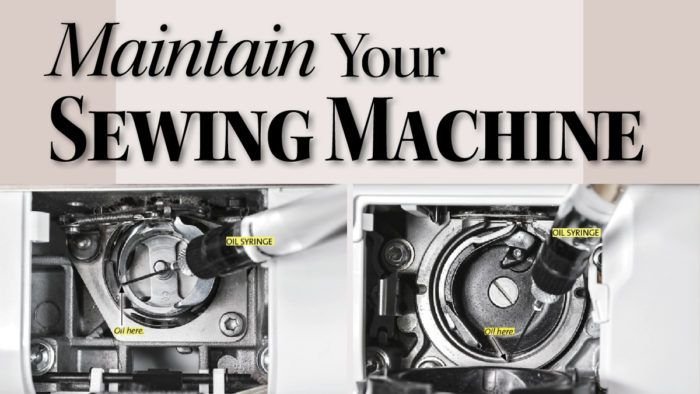
Taking care of your equipment ensures it’ll last for years of creative work. Once you’ve finished your project, wipe down the feed dogs and oil the moving parts to keep everything running smoothly. You’ll find that a well-maintained machine makes your next leather craft feel effortless and truly enjoyable.
Related guides
- Best Old Sewing Machine for Leather: Durable, Heavy-Duty & Precision Craftsmanship
- Best Older Singer Sewing Machine for Leather 301A: Top Belts & Accessories