Best Deal on Sewing Machine: How to Find Factory Refurbished
Finding the best deal on sewing machine models often means choosing a refurbished unit directly from the manufacturer to ensure warranty coverage and verified performance. If you prioritize long-term value, factory-certified refurbished machines offer the best savings compared to buying new. However, if you only need basic stitches for occasional mending, a clearance model from a big-box retailer may save you more upfront. This varies by model — check the label for specific features and warranty terms.
Finding the best deal on sewing machine models
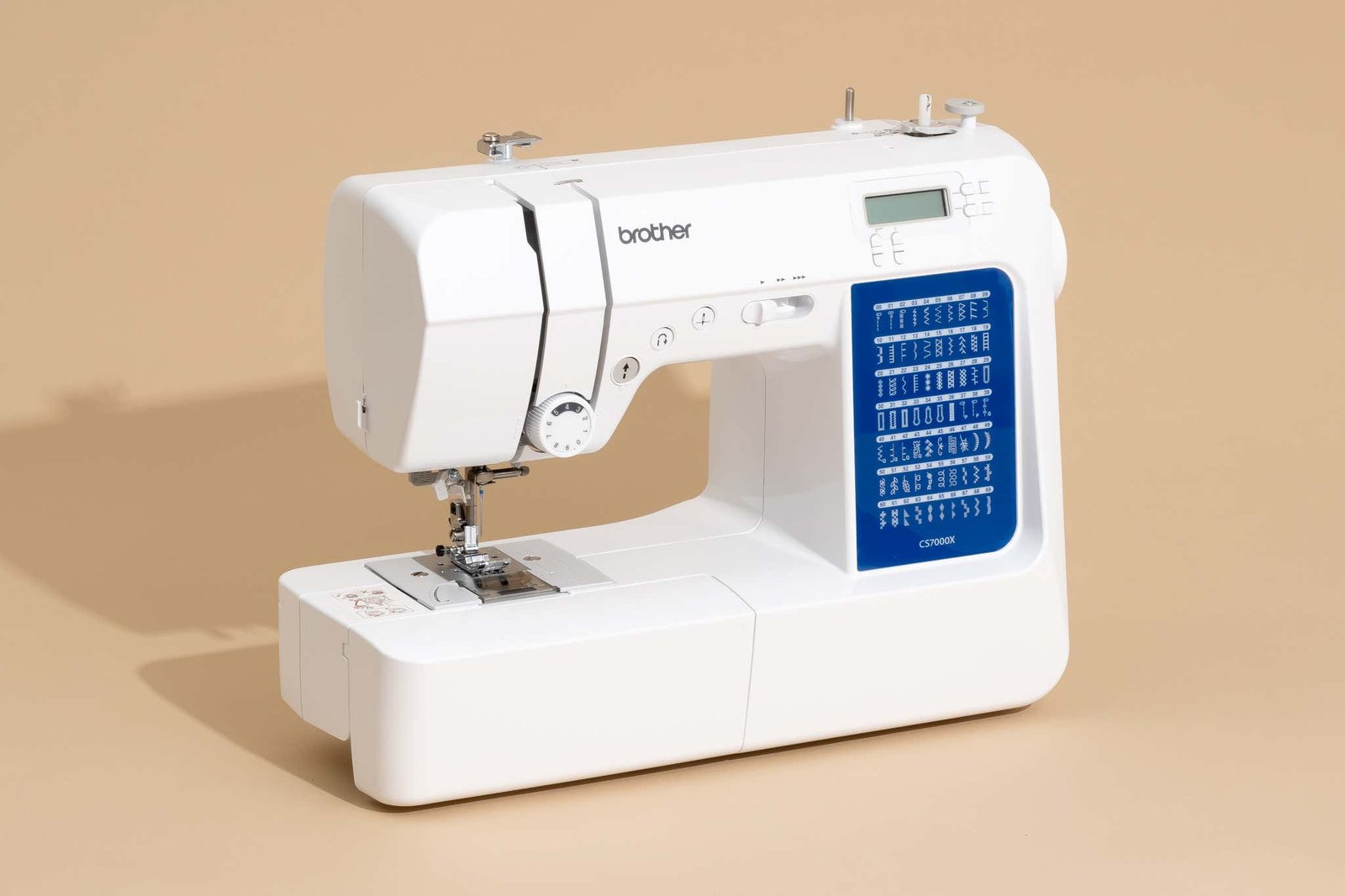
The most effective way to save money depends on your willingness to trade convenience for a lower price point.
| Method | How long | Effort | Cost | Best for |
|---|---|---|---|---|
| Factory Refurbished | 1-2 weeks | Medium | Low | Quality seekers |
| Clearance Models | Immediate | Low | Medium | Quick fixes |
| Used Marketplaces | 2-4 weeks | High | Very Low | Advanced hobbyists |
Factory refurbished machines are inspected by the brand to meet original performance standards, while clearance items are usually last year’s floor models. Used marketplaces offer the lowest prices but require you to inspect the machine’s timing and mechanical condition yourself. If you’re comfortable with basic repairs, used gear is a great path; if not, stick to certified factory stock.
Buying factory refurbished units
Purchasing a refurbished machine directly from the brand provides a balance of low cost and high reliability. These units are returned to the factory, tested, and restored to original settings.
- Visit the official website of the manufacturer to find their “Refurbished” or “Outlet” section.
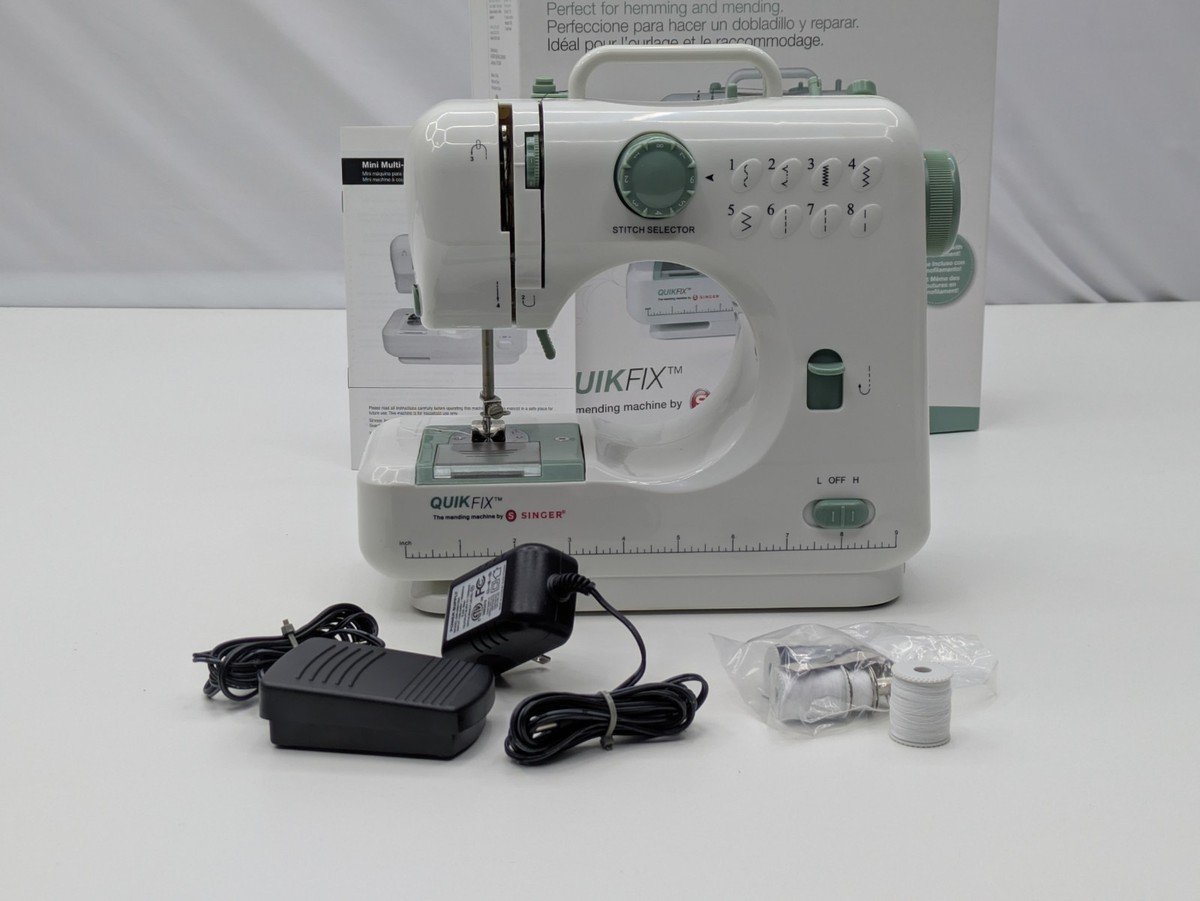
- Select a machine that includes the original accessories, such as the power cord, foot pedal, and standard presser feet.
- Review the warranty length, as factory-refurbished models often come with a shorter guarantee than brand-new units.
- Complete the purchase through the official portal to ensure you qualify for technical support and authorized repairs.
This method is ideal for those who want a high-end machine at a fraction of the original retail cost. The weakness is that availability fluctuates daily, so you might not find the specific model you want in stock when you check. Note that if you buy a machine from an unauthorized third party, it may void the Consumer Product Safety Commission guidelines regarding electrical safety and recall eligibility. Always verify the seller is an authorized partner.
Clearing out retail floor models
Retail stores often discount machines when they need to make room for newer inventory. These units are typically brand new but have been sitting on a shelf or used as a display.
- Visit major craft and sewing supply stores during seasonal sales events, such as those held in January or July.
- Inspect the machine for cosmetic scuffs or missing components that may have been misplaced while on display.
- Ask a store associate to plug the machine in so you can test the motor and stitch quality before buying.
- Confirm that the store’s return policy for clearance items is the same as for full-priced products.
This approach works best for people who want a new machine with a full warranty but don’t need the latest digital bells and whistles. The main mistake people make is failing to check if the box contains all the original manuals and needles, which can be expensive to replace later. If the machine is missing parts, the cost of replacements often negates the savings you gained from the clearance discount.
Searching local used marketplaces
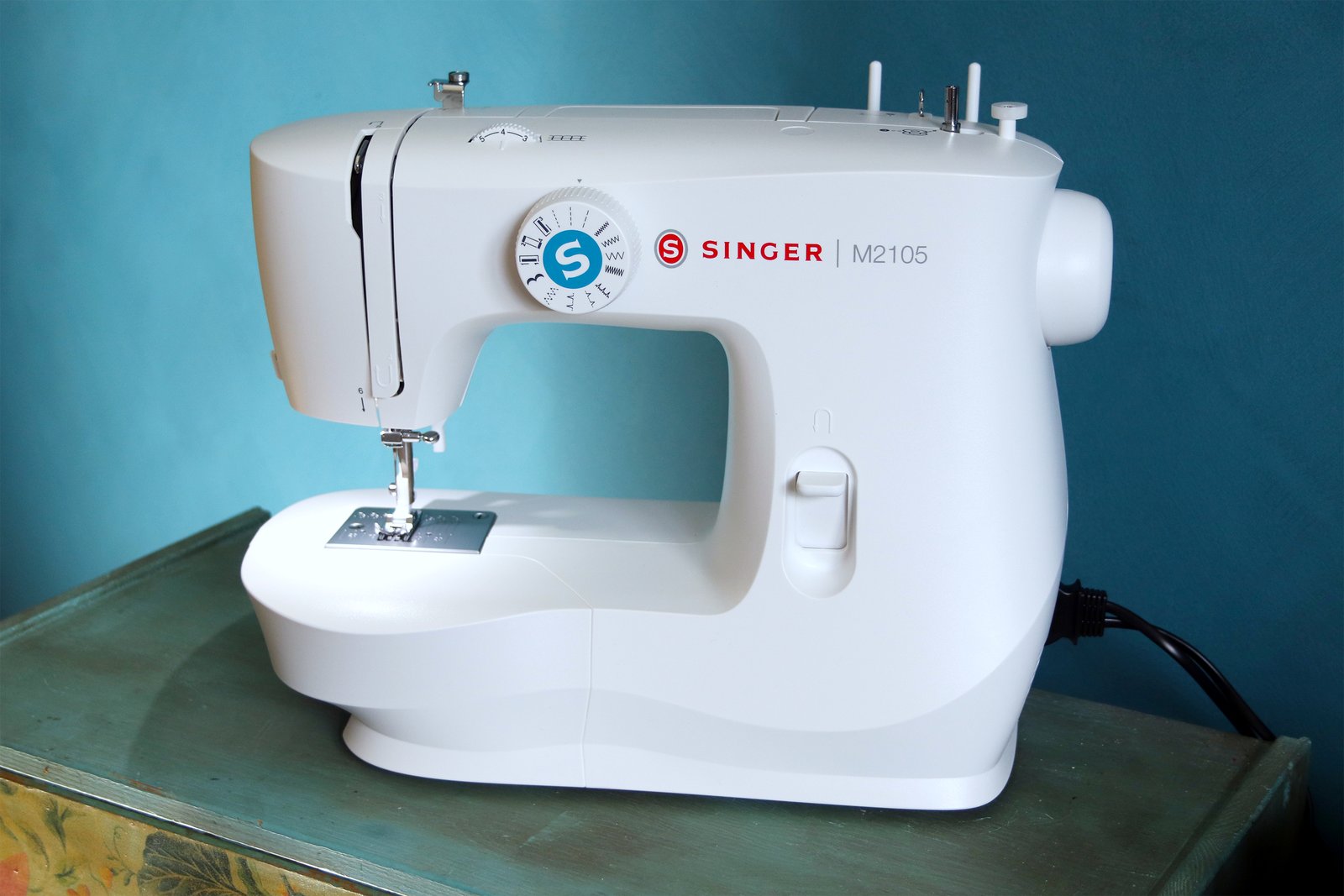
Buying from local sellers is the cheapest method if you know what to look for in a mechanical sewing device.
- Filter local listings for machines that have been recently serviced by a professional technician.
- Request a video or live demonstration showing the machine sewing a straight line and a zigzag stitch on cotton fabric.
- Check the condition of the needle bar and the bobbin case for signs of rust or heavy wear.
- Negotiate the price based on whether the machine includes a hard carrying case and a complete set of original feet.
This is excellent for finding vintage, all-metal machines that are often more durable than modern plastic ones. However, this isn’t for someone who lacks experience with machine maintenance. If you buy a used machine that has been sitting in a humid attic for years, you’ll likely spend more on professional cleaning than the machine is worth. Always avoid machines that smell like burning plastic or have seized handwheels, as these indicate internal motor failure that’s unsafe for a non-professional to repair.
Which one should you use?
If you’re in a hurry, check your local retail store’s clearance aisle immediately. You’ll get a machine that’s ready to use today, even if the model is slightly older. When you’re doing this for the first time, choose a factory-refurbished model from an official website. You get the security of a professional inspection and a warranty, which removes the stress of wondering if the machine will work correctly. If you want the best possible result whatever it takes, look for a high-end used machine and have it professionally serviced. This gives you top-tier features for a fraction of the cost, provided you’re willing to wait for the right listing and pay for the tune-up. The trade-off is simple: you either trade time for money by hunting for deals, or you trade money for convenience by buying new. If you choose the used route, always account for the cost of a professional check-up in your total budget.
The rules that apply whichever way you choose
Regardless of how you buy, you must follow basic safety and maintenance standards to keep your equipment running. Before you start, ensure your workspace has a reliable power outlet to prevent potential electrical issues. During your first hour of use, listen for rhythmic clicking sounds that could indicate a timing issue. If you hear grinding or see smoke, unplug the machine immediately and contact a certified technician; never attempt to open the motor housing yourself, as capacitors can hold a lethal charge even when unplugged. At the end of every session, remove lint from the bobbin area using a soft brush. Keep your original receipt in a safe place, as most manufacturers require proof of purchase for any warranty claims. If you’re unsure if a machine is safe to operate, consult the user manual’s safety section or contact the manufacturer’s customer support line directly.
Frequently asked questions
Can I get a good deal on a sewing machine during the holidays?
Yes, retailers frequently offer their deepest discounts during major holiday events like Black Friday or National Sewing Month in September. These sales often bundle machines with extra feet, needles, and thread, which provides more value than a simple price cut. If you wait for these specific windows, you can often find entry-level computerized models at the same price as basic mechanical ones.
Is it safe to buy a sewing machine from a thrift store?
No, buying from a thrift store is risky unless you’re experienced with mechanical repairs. Many of these machines have been sitting in storage, and the internal lubricants may have dried out, which causes the motor to seize or the gears to strip. If you aren’t prepared to pay for a professional service, you should avoid thrift store finds.
How long should a new sewing machine last?
Most modern sewing machines will last for several years with regular maintenance and proper cleaning. This estimate assumes you’re using the machine for standard home projects and not heavy-duty industrial work. If you notice the stitch quality dropping, it’s usually a sign that the machine needs a professional timing adjustment rather than a replacement.
What happens if I buy an “as-is” sewing machine?
An “as-is” machine comes with no warranty and no guarantee of functionality, meaning you take the full financial risk. If the machine is broken upon arrival, you have no recourse for a refund or a repair. Only choose this path if you’re buying a machine for parts or if you’re highly skilled at fixing mechanical issues yourself.
Why is the price of the same machine different at every store?
Pricing differences occur because stores have different overhead costs, inventory clearance goals, and promotional agreements with manufacturers. A store that needs to clear floor space will often drop the price lower than an online retailer that ships from a central warehouse. Always compare the total cost, including shipping and taxes, before you decide which store offers the best deal.
Final Thoughts
Before you make your final choice, spend a few minutes reading recent customer reviews for the specific machine you’re eyeing. It’s a great way to spot potential issues that aren’t listed on the box. Once you’re confident in your pick, you’ll be ready to start your first project with total peace of mind.
{“@context”:”https://schema.org”,”@type”:”FAQPage”,”mainEntity”:[{“@type”:”Question”,”name”:”Can I get a good deal on a sewing machine during the holidays?”,”acceptedAnswer”:{“@type”:”Answer”,”text”:”Yes, retailers frequently offer their deepest discounts during major holiday events like Black Friday or National Sewing Month in September. These sales often bundle machines with extra feet, needles, and thread, which provides more value than a simple price cut. If you wait for these specific windows, you can often find entry-level computerized models at the same price as basic mechanical ones.”}},{“@type”:”Question”,”name”:”Is it safe to buy a sewing machine from a thrift store?”,”acceptedAnswer”:{“@type”:”Answer”,”text”:”No, buying from a thrift store is risky unless you’re experienced with mechanical repairs. Many of these machines have been sitting in storage, and the internal lubricants may have dried out, which causes the motor to seize or the gears to strip. If you aren’t prepared to pay for a professional service, you should avoid thrift store finds.”}},{“@type”:”Question”,”name”:”How long should a new sewing machine last?”,”acceptedAnswer”:{“@type”:”Answer”,”text”:”Most modern sewing machines will last for several years with regular maintenance and proper cleaning. This estimate assumes you’re using the machine for standard home projects and not heavy-duty industrial work. If you notice the stitch quality dropping, it’s usually a sign that the machine needs a professional timing adjustment rather than a replacement.”}},{“@type”:”Question”,”name”:”What happens if I buy an \”as-is\” sewing machine?”,”acceptedAnswer”:{“@type”:”Answer”,”text”:”An \”as-is\” machine comes with no warranty and no guarantee of functionality, meaning you take the full financial risk. If the machine is broken upon arrival, you have no recourse for a refund or a repair. Only choose this path if you’re buying a machine for parts or if you’re highly skilled at fixing mechanical issues yourself.”}},{“@type”:”Question”,”name”:”Why is the price of the same machine different at every store?”,”acceptedAnswer”:{“@type”:”Answer”,”text”:”Pricing differences occur because stores have different overhead costs, inventory clearance goals, and promotional agreements with manufacturers. A store that needs to clear floor space will often drop the price lower than an online retailer that ships from a central warehouse. Always compare the total cost, including shipping and taxes, before you decide which store offers the best deal.”}}]}