How to Use Sewing Machine for Beginners: Easy Steps to Start Sewing
Have you ever wanted to create your own clothes, fix a favorite shirt, or bring your creative ideas to life? Learning how to use a sewing machine might seem tricky at first, but it doesn’t have to be.
With the right steps, you can quickly gain confidence and start sewing like a pro. This guide will walk you through everything you need to know as a beginner, making the process simple and enjoyable. By the end, you’ll feel ready to tackle your first project and discover just how fun sewing can be.
Ready to get started? Let’s dive in!

Credit: www.youtube.com
Choosing The Right Sewing Machine
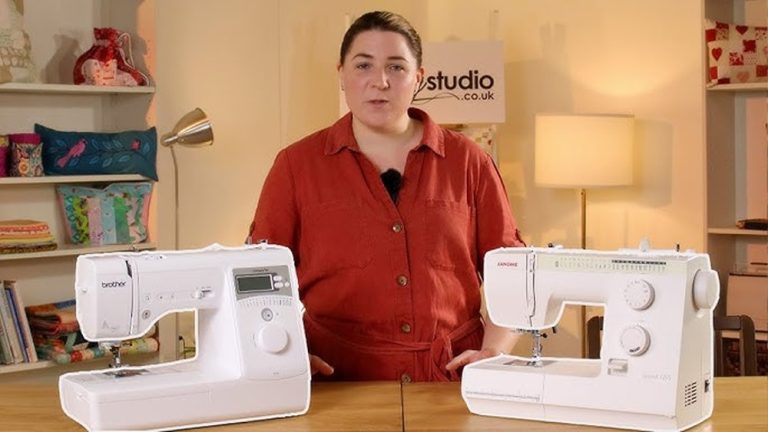
Choosing the right sewing machine is the first step for beginners. It sets the foundation for learning and enjoying sewing. The right machine matches your needs and skill level. This guide breaks down key points to consider before buying your first machine.
Types Of Sewing Machines
Mechanical machines have manual controls. They are simple and easy to fix. Electronic machines offer more stitch options. They use buttons and screens for control. Computerized machines come with advanced features. They can sew complex patterns automatically. Beginners often start with mechanical or basic electronic models.
Features To Look For
Look for easy stitch selection and adjustment. A good machine should have a strong motor. Check if it can sew different fabrics. A clear instruction manual helps learning. An automatic needle threader saves time. A built-in light brightens the workspace. A free arm helps sew sleeves and cuffs.
Budget Considerations
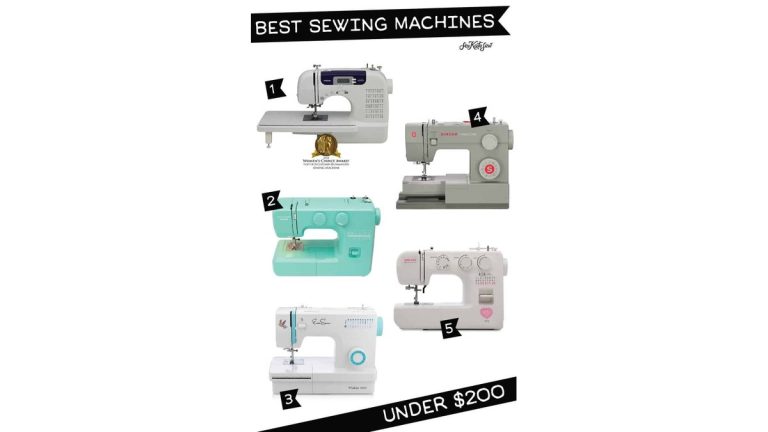
Set a budget before shopping. Basic machines cost less but cover essential needs. Mid-range machines offer more features and durability. Avoid very cheap machines; they may break easily. Think about long-term use and repairs. Invest in a reliable machine to save money later.
Setting Up Your Sewing Machine
Setting up your sewing machine is the first step to start sewing. It prepares your machine to work smoothly. Proper setup helps avoid problems later. Follow simple steps to get your machine ready.
Unboxing And Assembly
Open the box carefully. Take out the machine and all parts. Check the instruction manual for parts list. Attach the machine to the base if needed. Plug in the power cord and foot pedal. Make sure the machine sits on a flat surface.
Threading The Machine
Raise the needle to its highest point. Place the thread spool on the spool pin. Follow the threading path shown in the manual. Pull the thread through each guide and tension disc. Thread the needle from front to back. Pull a few inches of thread to the back.
Winding The Bobbin
Place an empty bobbin on the bobbin winder. Put the thread end through the bobbin hole. Push the bobbin winder to the right to start winding. Press the foot pedal gently or use the start button. Stop winding when the bobbin is full. Cut the thread and remove the bobbin.
Basic Sewing Techniques
Basic sewing techniques are the foundation for every sewing project. Learning these skills helps beginners handle a sewing machine with confidence. Starting with simple steps builds a good habit and improves your sewing quality. Practice these techniques regularly to become comfortable and precise.
Stitch Types
Different stitch types serve different purposes. The straight stitch is the most common and used for most seams. The zigzag stitch helps finish raw edges and adds stretch to seams. Some machines offer decorative stitches for design work. Know which stitch fits your project before you start sewing.
Adjusting Stitch Length And Width
Stitch length controls how long each stitch is. Shorter stitches are stronger but slower to sew. Longer stitches are faster but weaker. Stitch width changes the zigzag’s side-to-side size. Use narrow width for small edges and wide width for stretch fabrics. Test adjustments on scrap fabric to see how they look.
Practicing Straight Lines
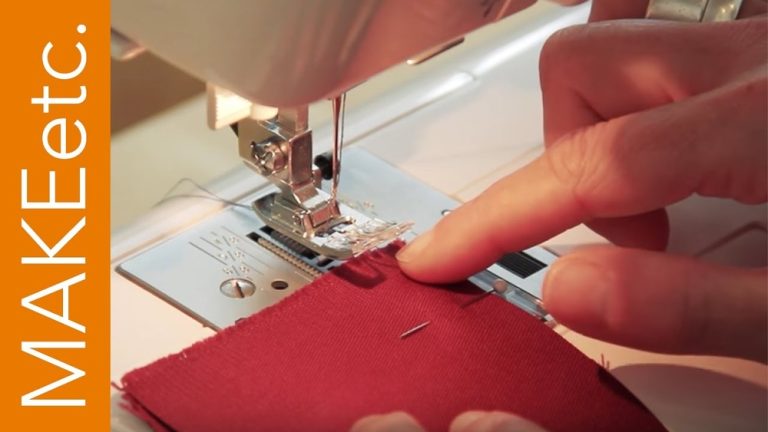
Sewing straight lines is a key skill for neat projects. Use fabric with a grid or draw lines with a washable marker. Keep the fabric steady and guide it gently through the machine. Don’t pull or push the fabric to avoid crooked seams. Practice sewing slow and steady until you feel confident.

Credit: www.youtube.com
Selecting Fabric And Needles
Selecting the right fabric and needles is key to sewing success. Choosing suitable materials helps your machine work well. It also makes sewing easier and more fun. Understanding fabric types and needle choices saves time and avoids frustration. Preparing fabric properly leads to clean, strong stitches. This section guides beginners through these essential steps.
Fabric Types For Beginners
Start with easy fabrics like cotton. Cotton is soft and not slippery. It holds stitches well and is easy to cut. Avoid stretchy fabrics first. They can be hard to control. Linen and flannel are also good choices. These fabrics are simple and forgiving. Pick light to medium weight fabrics to begin.
Choosing The Right Needle
Needles come in different sizes and types. Use a universal needle for most fabrics. Size 80/12 works well with cotton. Thicker fabrics need bigger needles. Thin fabrics need smaller needles to avoid damage. Change needles often for sharpness and clean stitches. A dull needle can break fabric or thread.
Preparing Fabric For Sewing
Wash fabric before cutting and sewing. Washing removes chemicals and shrinkage risk. Iron fabric to remove wrinkles. Wrinkles cause uneven seams. Use pins or clips to hold fabric in place. Cut fabric on a flat surface with sharp scissors. Proper prep ensures smooth sewing and better results.
Simple Sewing Projects
Simple sewing projects help beginners practice skills and gain confidence. These projects use basic stitches and easy patterns. They allow you to complete something useful quickly.
Starting with small items teaches fabric handling and machine control. These projects also keep you motivated to sew more. Try making a pillowcase, tote bag, or basic skirt for practice.
Making A Pillowcase
A pillowcase is a great first project. Cut two pieces of fabric in the size of your pillow. Place them right sides together and sew around the edges, leaving one side open. Turn it inside out and sew the open side closed. Simple and quick.
Creating A Tote Bag
A tote bag uses straight stitches and no curves. Cut two rectangles for the bag body and two strips for handles. Sew the body pieces together on three sides. Attach the handles to the top edges. Fold and stitch the top edge for a neat finish.
Sewing A Basic Skirt
A basic skirt needs a waistband and hem. Cut a rectangle wide enough to fit your waist with some extra for seams. Sew the side edges together. Add an elastic band or zipper to the top for the waistband. Fold and sew the bottom edge for the hem. Easy to wear and learn from.
Troubleshooting Common Issues
Troubleshooting common sewing machine issues helps you sew with ease. Small problems can stop your work. Fixing them quickly saves time and frustration. Here are some easy tips for beginners to solve common troubles.
Fixing Thread Breaks
Thread breaks are common for beginners. Check if the thread is strong and fits your machine. Re-thread the machine carefully from the spool to the needle. Make sure the needle is the right size and not bent. Tighten the thread tension if it is too loose. Use good quality thread to avoid breaks.
Dealing With Uneven Stitches
Uneven stitches spoil your sewing project. Check the thread tension on both top and bottom threads. Use the correct needle type for your fabric. Clean the bobbin area to remove lint and dust. Slow down your sewing speed for better control. Replace the needle if it is dull or damaged.
Machine Maintenance Tips
Keep your sewing machine clean and well-oiled. Remove lint and thread bits after every use. Use a soft brush or compressed air for cleaning. Oil the moving parts as per the machine’s manual. Check screws and parts for tightness regularly. Store your machine covered to protect from dust.
Safety Tips For Beginners
Starting with a sewing machine is exciting but requires care. Safety protects you and your machine. Simple steps keep accidents away. Follow these tips to sew safely and enjoy your new hobby.
Handling Needles And Tools
Always handle needles with care. Keep needles in a pin cushion when not in use. Never leave needles loose on the table. Use the right tool for each task. Replace bent or dull needles immediately. Store sharp tools out of children’s reach.
Machine Operation Precautions
Read the manual before using the machine. Keep fingers away from the needle while sewing. Turn off the machine when changing the needle or foot. Avoid wearing loose clothes or jewelry. Use proper lighting to see your work clearly. Do not sew over pins to avoid needle breaks.
Workspace Organization
Keep your sewing area clean and tidy. Arrange tools in an order that is easy to reach. Clear away scraps and threads regularly. Ensure cords are not tangled or in walking paths. Use a sturdy table to support your machine. Good organization helps prevent accidents and saves time.

Credit: www.wikihow.com
Frequently Asked Questions
How Do I Set Up A Sewing Machine For Beginners?
To set up a sewing machine, place it on a flat surface. Thread the machine following the manual’s guide. Insert the bobbin correctly and adjust the tension. Finally, test the stitching on scrap fabric before starting your project.
What Basic Stitches Should Beginners Learn First?
Beginners should learn straight stitch, zigzag stitch, and backstitch. These stitches cover most sewing needs. Mastering these helps build confidence and skill for more complex projects.
How Do I Choose The Right Needle For My Sewing Machine?
Select needle size and type based on fabric thickness and type. Use universal needles for most fabrics. For delicate materials, choose finer needles. Always replace bent or dull needles to prevent damage.
How Can I Avoid Fabric Bunching Or Puckering?
Ensure proper threading and tension settings on your machine. Use the correct needle for your fabric. Sew slowly and guide fabric evenly without pulling. Practice on scrap fabric to adjust settings perfectly.
Conclusion
Sewing machines are easier to use than you might think. Start slow, practice basic stitches, and stay patient. Each small step builds your confidence and skill. Keep your workspace clean and your machine well-oiled. Mistakes happen—learn from them and try again.
Soon, you will enjoy making clothes, gifts, or repairs. Sewing opens a world of creativity and fun. Just remember: practice makes progress, not perfection. Enjoy every stitch on your sewing journey.