What to Do If Sewing Machine is Not Working: Quick Fixes & Tips
Is your sewing machine suddenly refusing to work just when you need it most? It can be frustrating and stressful, especially if you have a project waiting.
But don’t worry—before you give up or rush to buy a new one, there are simple steps you can take to fix the problem yourself. You’ll discover easy, clear solutions to get your sewing machine running smoothly again. Keep reading, and you’ll save time, money, and avoid unnecessary hassle.
Your next sewing success is closer than you think!
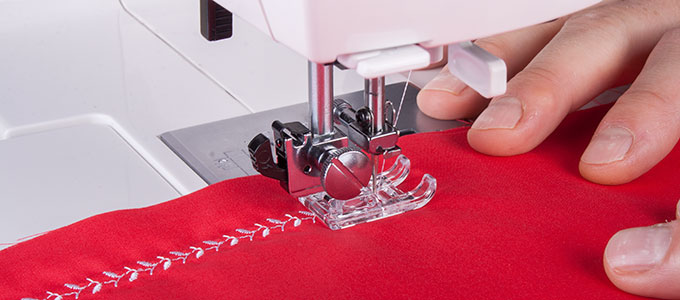
Credit: www.sewessential.co.uk
Common Sewing Machine Issues
Sewing machines can face common problems that stop them from working well. Understanding these issues helps fix them fast. Most problems come from small mistakes or parts that need cleaning or adjusting.
Knowing what causes each problem makes it easier to get your machine sewing smoothly again. Below are some frequent issues and what they mean for your machine.
Machine Not Turning On
The machine may not turn on due to a power issue. Check if the power cord is plugged in firmly. Look for a blown fuse or tripped circuit breaker. Sometimes the foot pedal connection is loose or broken. Try a different power outlet to be sure.
Thread Breaking Frequently
Thread breaking often happens if the thread is old or low quality. The tension might be too tight. Make sure the needle is the right size for the fabric. Check the thread path for sharp edges or dirt that can cut the thread.
Skipping Stitches
Skipped stitches occur when the needle is bent or dull. The needle might not be inserted correctly. Use the right needle for the fabric type. Make sure the machine is threaded properly and the bobbin is wound evenly.
Fabric Not Feeding Properly
If fabric does not move under the needle, the feed dogs might be lowered. Clean the feed dogs from lint or debris. Adjust the presser foot pressure to match the fabric thickness. Use the correct stitch length for the fabric type.
Needle Breaking
Needle breaks can happen if the needle hits a hard spot or is inserted wrong. Use the right needle size and type for your fabric. Avoid pulling fabric while sewing. Replace needles regularly to prevent damage.
Credit: www.youtube.com
Basic Troubleshooting Steps
Basic troubleshooting helps fix many sewing machine problems quickly. Start with simple checks before calling a technician. These steps save time and money. Follow each step carefully to find the cause.
Checking Power Supply And Connections
First, ensure the machine is plugged in properly. Check the power outlet by testing another device. Look for a loose power cord or switch. Make sure the foot pedal is connected securely. Sometimes, a simple power issue stops the machine from working.
Re-threading The Machine
Incorrect threading often causes stitching problems. Remove the thread from the machine. Follow the manual’s threading path step by step. Make sure the thread passes through all guides and tension discs. Re-thread the bobbin correctly in its case. Proper threading keeps stitches smooth and even.
Replacing Or Cleaning The Needle
A bent or dull needle can block stitches. Remove the needle carefully using a screwdriver. Replace it with a new needle of the right size. If the needle is not damaged, clean it gently. Change needles regularly for the best sewing results.
Adjusting Thread Tension
Thread tension affects stitch quality. Check the tension dial and try adjusting it slightly. Too tight or too loose tension causes thread breakage or loops. Test the machine on scrap fabric to see changes. Find the balance where stitches look neat and even.
Cleaning The Machine Interior
Dust and lint build up inside the machine. Open the bobbin area and remove the cover. Use a small brush or cloth to clean out debris. Avoid using water or spray inside the machine. Clean regularly to keep the machine running smoothly.
Quick Fixes For Specific Problems
Sewing machines can stop working for many small reasons. Most problems have quick fixes you can try at home. These fixes save time and get you back to sewing fast. Focus on the common issues first. Simple steps often solve the problem.
Fixing Bobbin Issues
Check the bobbin case for proper placement. Remove the bobbin and rewind it evenly. Make sure the bobbin thread is not tangled. Clean lint or dust around the bobbin area. Use the right bobbin size for your machine. Incorrect bobbins cause poor stitching and thread breaks.
Resolving Jamming And Tangling
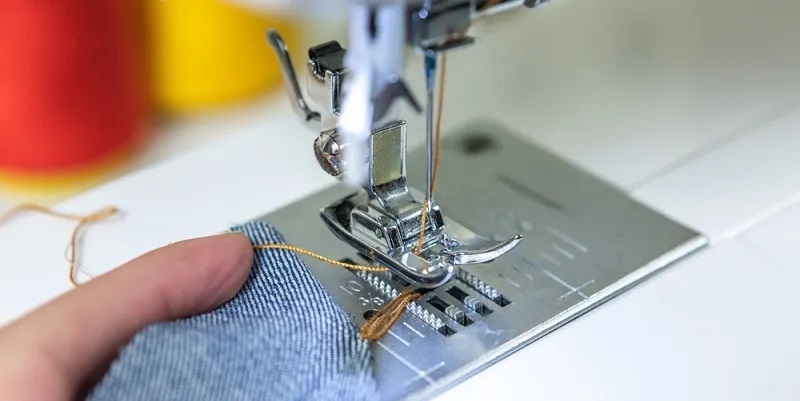
Turn off the machine before fixing jams. Open the needle plate and remove tangled thread. Pull out stuck fabric gently to avoid damage. Clean the feed dogs and bobbin area from lint. Use the correct needle type and thread weight. Tighten the thread tension if it is too loose.
Correcting Timing Problems
Timing affects the stitch quality and machine function. Signs of timing issues include skipped stitches or needle hitting the plate. Check if the needle moves smoothly with the hook. Reset the needle and hook alignment carefully. Consult your manual for timing instructions. Complex timing fixes might need a professional technician.
Lubricating Moving Parts
Lubrication keeps the machine running smoothly. Use sewing machine oil, not regular oil. Apply oil to metal joints and moving parts as shown in the manual. Avoid over-oiling, which can attract dust and lint. Clean excess oil with a soft cloth. Regular oiling prevents wear and noise during sewing.
Preventive Maintenance Tips
Keeping a sewing machine in good shape stops many problems. Small care steps save time and money later. Simple habits keep your machine running smooth and stitch perfect every time. Follow these tips to avoid common issues and enjoy sewing more.
Regular Cleaning Routine
Dust and lint build up inside the machine. Clean after every few uses. Use a soft brush or small vacuum to remove dirt. Wipe the surface with a dry cloth. Avoid water or harsh cleaners. Clean the bobbin case and feed dogs carefully. This prevents thread jams and uneven stitches.
Proper Storage Practices
Store your machine in a dry, dust-free place. Cover it with a dust cover or cloth. Avoid places with high humidity or direct sunlight. Keep the machine away from heavy items that may fall on it. Proper storage stops rust and keeps parts working well.
Using The Right Needles And Thread
Choose needles that match your fabric type. Using wrong needles breaks thread or damages cloth. Use good quality thread to avoid lint and breakage. Replace needles regularly, especially after heavy projects. Correct needles and thread improve stitch quality and machine life.
Scheduling Professional Servicing
Have a technician check your machine yearly. Professionals clean and oil parts you cannot reach. They fix small issues before they get worse. Regular servicing keeps your machine safe and efficient. It helps avoid costly repairs and downtime.
When To Seek Professional Help
Knowing when to seek professional help can save time and money. Some sewing machine problems need expert care. Simple fixes you can try at home. But some issues require trained hands. It keeps your machine safe and working well.
Signs Of Mechanical Damage
Strange noises during stitching could mean mechanical damage. Parts may be broken or worn out. The needle might not move properly. The machine may jam or stop often. Visible cracks or loose parts are warning signs. These issues need a technician to fix.
Complex Electrical Issues
Electrical problems are hard to diagnose at home. The machine may not turn on or stops suddenly. Flickering lights or burning smells need urgent attention. Faulty wiring or motor issues require expert repair. Avoid trying to fix electrical parts yourself. It can be dangerous without the right tools.
Cost Vs. Repair Considerations
Consider the repair cost compared to a new machine. Sometimes repairs are more expensive than buying new. Ask a professional for a repair estimate. Older machines may need many parts replaced. A technician can advise if repair is worth it. Save money by choosing the best option for you.
Credit: www.premierstitching.com
Frequently Asked Questions
Why Is My Sewing Machine Not Stitching Properly?
Poor stitching often results from incorrect threading or tension issues. Check the upper thread and bobbin for proper placement. Clean lint and dust from the machine. Adjust the tension settings according to your fabric type. Regular maintenance ensures smooth stitching.
How Do I Fix A Sewing Machine That Won’t Start?
First, ensure the machine is plugged in and the power switch is on. Check the foot pedal connection. Inspect the power cord for damage. Reset any tripped circuit breakers. If the problem persists, consult the user manual or a professional technician.
What Causes A Sewing Machine Needle To Break Frequently?
Needle breaks often happen due to incorrect needle size or type for the fabric. Avoid sewing over pins or thick seams. Make sure the needle is properly installed and not bent. Replace needles regularly to prevent damage and maintain stitch quality.
How Can I Stop My Sewing Machine From Jamming?
Jamming usually occurs from lint buildup or tangled thread. Clean the bobbin case and feed dogs regularly. Use the correct thread and needle for your fabric. Re-thread the machine carefully. Lubricate moving parts as recommended by the manufacturer.
Conclusion
Sewing machine troubles can feel frustrating. Start by checking basic parts and settings. Clean the machine regularly to avoid common issues. Tighten loose screws and replace worn needles. Test the power source and cords carefully. Small fixes often solve most problems quickly.
Don’t rush repairs; take your time. Keep your machine in good shape to sew smoothly. Regular care helps prevent future breakdowns. Sewing should stay fun and stress-free. Keep these tips handy for easy troubleshooting.