Is It Better to Sew by Hand Or Machine? Expert Tips Revealed!
Are you wondering whether sewing by hand or using a machine is the better choice for your next project? You might think one method is faster or easier, but the truth is, each has its own unique benefits that can make a big difference in your results.
Choosing the right way to sew can save you time, improve the quality of your work, and even make the whole process more enjoyable. Keep reading to discover which option fits your needs best and how it can transform your sewing experience.

Credit: www.youtube.com
Hand Sewing Basics
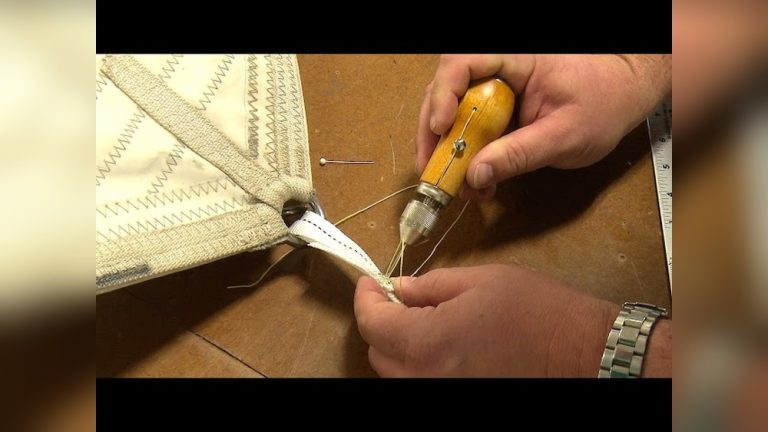
Hand sewing is a simple skill that anyone can learn. It uses a needle and thread to join fabric pieces. This method gives more control over small details. Hand sewing works well for repairs and delicate projects.
You do not need a lot of equipment. Just some basic tools and patience. It is slow but very precise. Many people enjoy the calm and focus it brings.
Tools And Materials Needed
A good hand sewing project starts with the right tools. You need needles, thread, and scissors. Needles come in many sizes for different fabrics. Use sharp scissors to cut thread cleanly.
Thread should match the fabric color. Cotton and polyester threads are common choices. A thimble can protect your finger from the needle. A small pin cushion helps keep needles organized.
Common Hand Stitches
Several stitches are useful for hand sewing. The running stitch is the simplest and fastest. It works well for seams and gathering fabric. The backstitch is stronger and good for seams that need durability.
The slip stitch hides thread on hems and seams. The whip stitch is perfect for closing edges or attaching patches. Each stitch serves a different purpose in sewing projects.
When To Choose Hand Sewing
Hand sewing fits best for small, detailed tasks. Fixing a button or hemming pants often needs hand sewing. It works well on delicate fabrics that a machine may damage. Use hand sewing for projects needing careful control.
It is also handy when a machine is not available. Hand sewing can be done anywhere with little setup. Choose hand sewing when precision and care matter most.

Credit: www.fruitsecurityholland.com
Machine Sewing Essentials
Machine sewing is fast and helps finish projects quickly. It offers strong, even stitches that hand sewing may not match. Understanding the basics of machine sewing can improve your work. This section covers the essentials you need to know.
Types Of Sewing Machines
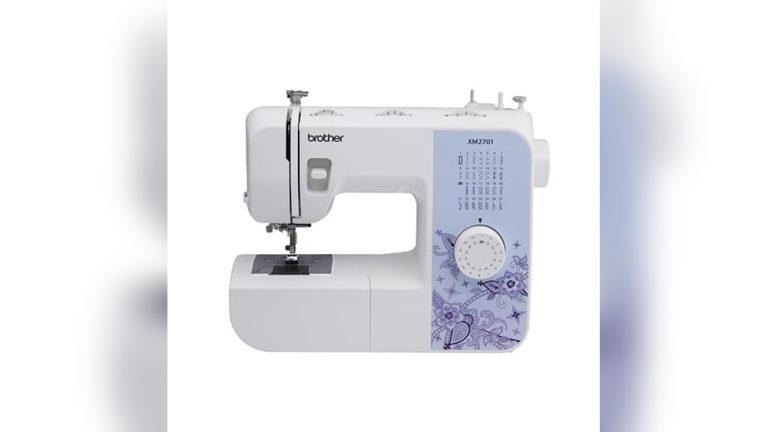
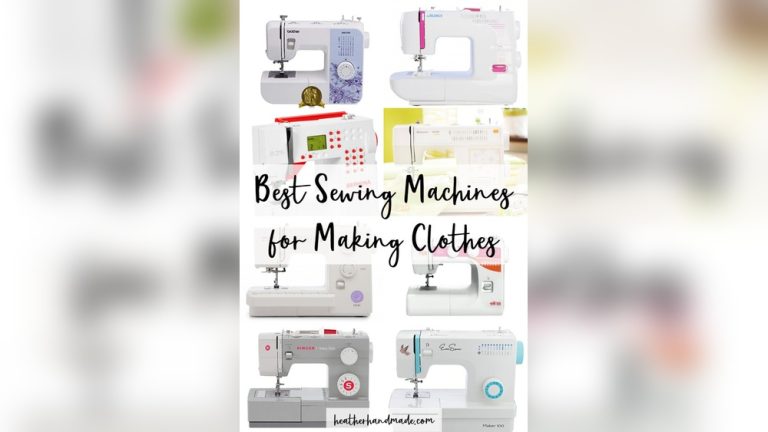
There are several types of sewing machines. Mechanical machines use knobs and dials to control settings. Electronic machines have buttons and digital screens for easy use. Computerized machines offer many stitch options and automatic features. Choose a machine that fits your needs and budget.
Setting Up Your Machine
Setting up your machine correctly is key to good sewing. Start by threading the machine with the right thread. Wind the bobbin and place it in its holder. Adjust the tension and select the proper needle for your fabric. Test on a scrap piece before sewing your project.
Popular Machine Stitches
Basic straight stitch is the most common and useful. Zigzag stitch helps with stretchy fabrics and finishing edges. Buttonhole stitch creates neat holes for buttons. Decorative stitches add style to your work. Knowing these stitches boosts your sewing skills.
Comparing Speed And Efficiency
Speed and efficiency are key factors in choosing between hand sewing and machine sewing. These aspects affect how quickly a project finishes and how well the work flows. Each method has its own pace and suits different tasks. Understanding these differences helps pick the best approach for each sewing job.
Time Taken For Projects
Machine sewing is faster than hand sewing for most projects. It stitches many threads quickly and evenly. Large or long seams take less time with a machine. Hand sewing slows down with long lines or thick fabric. Small details, like buttons or hems, can be done quickly by hand but still take longer than a machine’s speed.
Handling Large Vs Small Tasks
Large tasks benefit from machine sewing. It keeps a steady speed and smooth stitches. Machines work well on thick or multiple layers of fabric. Small tasks often suit hand sewing better. It allows for control and careful work on tiny pieces. Delicate fabrics or detailed designs need the gentle touch of hand sewing. Machines can be too rough or fast for these jobs.
Precision And Control
Precision and control are key factors in sewing. They affect the final look and quality of your project. Choosing between hand sewing and machine sewing depends on how much detail and accuracy you need.
Detail Work With Hand Sewing
Hand sewing allows careful work on small areas. You can control each stitch size and placement. This is great for delicate fabrics and intricate designs. Hand sewing helps fix small mistakes easily. It also lets you sew in hard-to-reach spots.
Machine Accuracy And Consistency
Sewing machines deliver even stitches fast. They maintain the same stitch length throughout the project. Machines reduce human error during long sewing tasks. This makes your sewing look neat and professional. Machines work best for straight lines and large pieces.
Durability And Strength
Durability and strength are key factors in sewing projects. Strong stitches keep fabric together for a long time. They stop seams from breaking or fraying. Whether sewing by hand or machine, durability matters. Choosing the right method affects how long your work lasts.
Stitch Strength In Hand Sewing
Hand sewing allows control over each stitch. You can make stitches tight or loose. Tight stitches hold fabric firmly but may cause puckering. Loose stitches give flexibility but less strength. Certain hand stitches, like backstitch, offer good strength. Hand sewing is best for small repairs or delicate fabric. It may not hold up well under heavy use or stress.
Machine Stitch Durability
Machine stitching creates uniform, consistent stitches quickly. These stitches are usually stronger than hand stitches. Machines use lockstitches, which lock thread firmly in place. This type of stitch resists unraveling and tension. Machine stitches handle heavy fabrics and frequent wear well. They also work great for large projects needing strong seams. Sewing machines provide durability that lasts through washing and use.
Cost And Accessibility
Cost and accessibility are key factors in choosing between hand sewing and machine sewing. Both methods require different tools and resources. These affect how easy and affordable each option is for beginners and experienced sewers.
Investment In Tools
Hand sewing needs only a needle and thread. These tools are cheap and easy to find. You can start sewing with almost no cost.
Sewing machines require a bigger upfront cost. Prices vary from low-end to professional models. Basic machines are affordable for most people. They offer faster stitching and more features.
Maintenance And Repairs
Hand sewing tools rarely break and need little care. Needles are cheap and easy to replace. Thread is inexpensive and widely available.
Sewing machines need regular maintenance. They require cleaning and oiling. Parts can wear out or break over time. Repair costs may add up. Access to service centers varies by location.
Creative Possibilities
Creative possibilities in sewing allow for unique and personal projects. Sewing by hand or machine offers different ways to express creativity. Each method brings its own style and options to your work. The choice depends on the type of design and details you want.
Exploring hand sewing and machine sewing shows how each method can add beauty and function. Let’s see what creative options each offers.
Hand Embroidery And Customization
Hand sewing lets you add detailed embroidery easily. You can create small designs that stand out. Hand embroidery allows for personal touches on clothes and accessories. It lets you control the thread tension and stitch size closely. Custom patterns and colors can make your work unique. Hand sewing works well for delicate fabrics and small projects. It also adds a personal, homemade feel to your items.
Machine Embellishments And Automation
Sewing machines speed up the process of adding decorations. Machines can create uniform stitches quickly and neatly. They support many types of stitches for different effects. Machine embroidery designs can be repeated exactly on many pieces. Automation helps with complex patterns that need precision. Sewing machines handle thick fabrics and layers with ease. They save time and reduce hand strain on big projects.

Credit: www.youtube.com
Expert Tips For Choosing
Choosing between sewing by hand or machine depends on several factors. Knowing these can save time and effort. Below are tips from experts to help decide what fits best for your project and skill level.
Assessing Your Project Needs
Think about the type of fabric you will use. Delicate fabrics often work better with hand sewing. Thick or heavy materials usually need a machine. Consider the size of your project too. Large projects are faster with a machine. Small, detailed work might require hand sewing. Also, check the stitch type needed. Some stitches are easier to make by hand. Others are done faster by machine. Time is another key factor. Hand sewing takes longer but offers more control.
Balancing Skill And Equipment
Match your sewing skill with the tools you have. Beginners may find hand sewing easier to start. Machines need practice to control speed and stitch type. If you own a sewing machine, learn its features well. This helps you decide when to use it or switch to hand sewing. Some projects need both methods. Use the machine for main seams. Add hand sewing for finishing touches. Choose what feels comfortable and effective for your work.
Frequently Asked Questions
Is Sewing By Machine Faster Than Hand Sewing?
Yes, machine sewing is significantly faster than hand sewing. Machines complete stitches quickly and evenly. Hand sewing takes more time and effort, making machines ideal for large projects or tight deadlines.
Which Method Offers Better Stitch Durability?
Machine stitching generally provides stronger, more consistent stitches. It ensures even tension and fewer loose threads. Hand sewing can be durable but depends on skill and stitch type, making machine sewing more reliable for durability.
Can Hand Sewing Provide More Detailed Work?
Yes, hand sewing allows for precise, delicate stitching. It’s ideal for intricate designs, repairs, or embellishments. Machines may struggle with tiny details, so hand sewing is preferred for fine craftsmanship and customization.
Is Machine Sewing More Suitable For Beginners?
Machine sewing is often easier for beginners due to speed and uniformity. However, hand sewing teaches fundamental skills and control. Beginners benefit from learning both methods to improve versatility and sewing proficiency.
Conclusion
Choosing between hand sewing and machine sewing depends on your needs. Hand sewing offers control and detail for small projects. Machine sewing works faster and handles big tasks well. Both methods have their place in sewing. Try each one to see which fits your style.
Practice helps you improve, no matter the choice. Enjoy the process and make your projects shine. Sewing is about creativity and patience. Your best tool is the one you like using most.