How Much Sewing Machine Motor Costs: Ultimate Buying Guide 2026
Are you thinking about upgrading your sewing machine or need a replacement motor? One of the first questions on your mind is probably, “How much does a sewing machine motor cost?”
Knowing the price can help you plan your budget and avoid surprises. But the answer isn’t always straightforward. Different types, brands, and features can affect the cost. You’ll discover what influences the price of a sewing machine motor and how to choose the best one for your needs—without overspending.
Keep reading to make a smart, confident decision for your sewing projects.

Credit: www.amazon.com
Types Of Sewing Machine Motors
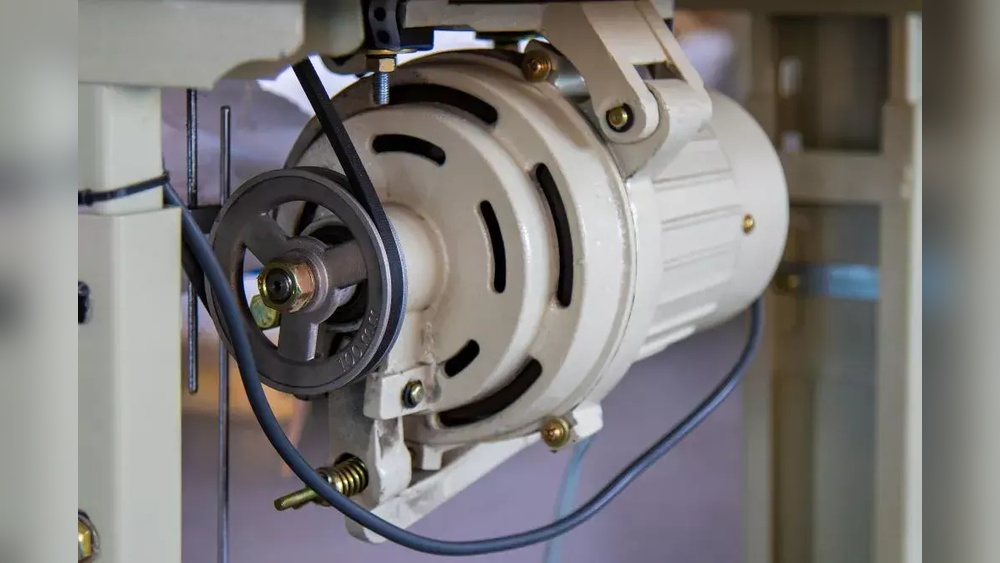
Sewing machine motors power the device and control its speed. Different types of motors offer various benefits. Knowing each type helps in choosing the right motor for your machine.
Universal Motors
Universal motors run on both AC and DC power. They are small and lightweight. These motors spin fast and produce high torque. Commonly used in many sewing machines. They can be noisy but are affordable.
Stepper Motors
Stepper motors move in small, precise steps. They offer exact control of the sewing speed. Ideal for computerized sewing machines. These motors use less power. They are quiet and reliable but cost more.
Servo Motors
Servo motors provide smooth and steady motion. They adjust speed quickly and accurately. Used in advanced sewing machines for better control. These motors save energy by running only when needed. They are quiet and long-lasting.
Brushless Dc Motors
Brushless DC motors have no brushes inside. This reduces wear and tear. They run very quietly and efficiently. These motors last longer and need less maintenance. Popular in high-end sewing machines for smooth operation.

Credit: www.youtube.com
Factors Influencing Motor Prices
Sewing machine motor prices vary due to several important factors. These factors affect how much you pay and the motor’s quality. Understanding them helps you choose the right motor within your budget.
Power And Performance
Motors with higher power cost more. Strong motors sew through thick fabrics easily. They run faster and last longer. Lower power motors suit light sewing tasks and cost less. Power affects speed, torque, and overall performance.
Brand Reputation
Well-known brands charge more for their motors. Trusted brands offer reliable and tested products. Cheaper brands may save money but risk poor quality. Brand reputation often reflects motor durability and customer support.
Motor Size And Compatibility
Motors come in different sizes for various machines. Larger motors usually cost more. Compatibility with your sewing machine matters. A wrong size motor may not fit or work well. Size and fit influence the price and ease of use.
Durability And Build Quality
High-quality motors use better materials and parts. These motors last longer and resist wear. Cheap motors may break sooner or need repairs. Strong build quality adds to the motor’s price but saves money over time.
Price Ranges For Different Motors
The price of sewing machine motors varies widely. It depends on motor type, power, and brand. Some motors are affordable but basic. Others offer better performance and last longer. High-end motors come with advanced features. Choosing the right motor depends on your needs and budget.
Budget Options
Budget motors cost around $20 to $50. They work well for light sewing tasks. These motors are simple and less powerful. They fit standard machines and small projects. They may wear out faster with heavy use. Ideal for beginners or occasional sewing.
Mid-range Motors
Mid-range motors range from $50 to $150. These offer more power and durability. They handle thicker fabrics and longer sewing sessions. Many come with adjustable speed settings. Suitable for hobbyists and regular users. A good balance of cost and quality.
High-end Motors
High-end motors cost $150 and above. Designed for professional use and heavy workloads. They provide strong power and smooth operation. Often include advanced features like noise reduction. Made to last for years of frequent sewing. Best for serious sewers and industrial machines.
Where To Buy Sewing Machine Motors
Sewing machine motors power your machine to sew smoothly and efficiently. Finding the right motor is important for good performance. Many places sell sewing machine motors. Each has its own benefits and options. Knowing where to buy helps you choose the best motor for your needs.
Online Marketplaces
Online marketplaces offer many sewing machine motors. You can compare prices and models easily. Reviews from other buyers help you make smart choices. Delivery is often fast and convenient. Shopping online saves time and gives more variety.
Specialty Sewing Stores
Specialty sewing stores focus on sewing supplies and parts. Staff can guide you to the right motor. You can see motors in person before buying. These stores often carry quality brands. They also offer advice and support for your machine.
Direct From Manufacturers
Manufacturers sell motors directly to customers. This ensures motors are genuine and high quality. You get access to the latest models. Some offer warranty and customer service. Buying direct can be a safe and reliable choice.
Tips To Choose The Right Motor
Choosing the right sewing machine motor is important for smooth sewing. The motor affects speed, power, and how well your machine works. Picking the best motor saves money and improves your sewing experience. Follow these tips to select the right motor for your needs.
Assessing Your Sewing Needs
Think about what kind of sewing you do most. Light fabrics need less power. Heavy fabrics like denim need a stronger motor. Consider how fast you want to sew. A faster motor helps with big projects. For small tasks, a slow motor works fine. Match the motor to your sewing style.
Checking Compatibility
Make sure the motor fits your sewing machine. Motors come in different sizes and shapes. Check the voltage and type of connection. Some motors work only with certain machines. Using the wrong motor can cause damage. Look for models made for your machine brand.
Warranty And Support
Choose motors with a good warranty. This protects you if the motor breaks. Check how long the warranty lasts. Good support helps with installation and repairs. Find a seller with easy return policies. Reliable service saves time and stress.
Maintenance And Longevity
Taking care of your sewing machine motor helps it last longer. Regular maintenance keeps the motor running smoothly. It prevents damage and costly repairs. A well-maintained motor saves money over time. Simple steps can extend the life of the motor. Understanding common problems helps with quick fixes. Knowing when to replace the motor avoids machine breakdowns.
Routine Care
Clean the motor area often. Dust and lint can cause overheating. Use a soft brush or cloth for cleaning. Oil the motor parts as the manual suggests. Avoid using too much oil. Keep the motor dry and free from rust. Check the belt tension regularly. Loose belts reduce motor efficiency.
Common Issues And Fixes
The motor may run slow or stop suddenly. This often means dirt or worn parts. Tighten loose screws to stop noise. Replace worn brushes to improve power. Overheating can cause the motor to shut down. Let the motor cool before using again. If the motor smells burnt, stop immediately. Seek professional help for electrical problems.
When To Replace The Motor
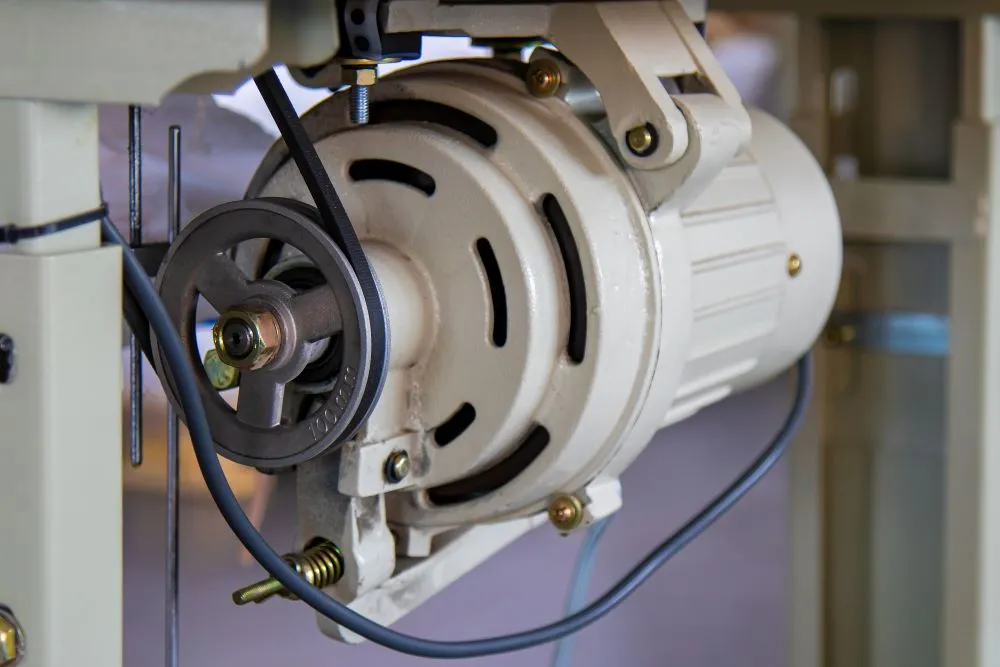
Replace the motor if it makes strange noises often. Frequent overheating signals motor damage. If repairs cost more than a new motor, replace it. Motors that run inconsistently need replacement. Older motors may not support new features. A new motor improves sewing performance. Choose a motor compatible with your machine model.
Credit: www.goldstartool.com
Frequently Asked Questions
What Is The Average Cost Of A Sewing Machine Motor?
The average cost of a sewing machine motor ranges from $20 to $100. Price varies by power, brand, and compatibility with machines. Higher-end motors offer better durability and performance. Budget motors suit basic sewing needs, while advanced ones fit industrial use.
How Do Sewing Machine Motor Prices Vary By Type?
Sewing machine motor prices vary by type: AC motors are cheaper, costing $20-$50. DC motors cost more, $50-$100, due to efficiency and speed control. Stepper motors are pricier and used in specialized machines, reflecting advanced features and precision.
Can I Replace A Sewing Machine Motor Myself?
Yes, you can replace a sewing machine motor yourself if you have basic tools and skills. Follow the machine’s manual for instructions. Ensure the new motor matches voltage and size. If unsure, consult a professional to avoid damage or safety risks.
What Factors Influence Sewing Machine Motor Cost?
Factors influencing sewing machine motor cost include motor power, brand, type (AC/DC), and compatibility. Industrial motors cost more due to durability and speed. Additional features like noise reduction and speed control also increase price. Warranty and seller reputation affect overall cost too.
Conclusion
Sewing machine motors come in many types and prices. Choosing the right motor depends on your needs and budget. Small motors cost less but may not handle heavy work. Bigger motors are stronger but usually cost more. Always check motor power and size before buying.
Good motors help your sewing work run smoothly. Now, you know how much a sewing machine motor costs. Use this info to pick the best motor for you.