What Sewing Machine is Best for Upholstery: Top Picks Revealed
Choosing the right sewing machine for upholstery can feel overwhelming. You want a machine that handles thick fabrics, tough seams, and heavy layers without breaking a sweat.
But with so many options out there, how do you know which one fits your needs perfectly? This guide will help you cut through the noise and find the best sewing machine that makes your upholstery projects easier, faster, and more professional-looking.
Keep reading—you’re just a few steps away from transforming your furniture with confidence.
Key Features For Upholstery Machines
Choosing the right sewing machine for upholstery means focusing on specific features. Upholstery projects use thick fabrics and heavy materials. A regular sewing machine often can’t handle this weight. Upholstery machines need power, space, and special parts. These features help create strong, neat stitches on tough fabrics.
Understanding key features helps pick a machine that works well. Look for power, size, stitch options, durability, and special attachments. Each feature plays a role in making sewing easier and more effective.
Heavy-duty Motor
A strong motor is essential for sewing thick materials. Upholstery fabrics like leather and canvas are tough. A heavy-duty motor keeps the machine running smoothly. It prevents jams and breaks during sewing. The motor must handle long hours of work without overheating.
Throat Space And Bed Size
Throat space means the area between the needle and the machine body. Larger throat space allows handling bigger pieces easily. Bed size refers to the flat area under the needle. A wide bed supports large projects like cushions and chairs. More space makes sewing bulky items simpler and more comfortable.
Stitch Options And Adjustability
Upholstery requires strong, consistent stitches. Machines with varied stitch options offer flexibility. Adjustable stitch length and width help match different fabric types. Straight and zigzag stitches are common for upholstery. The ability to fine-tune stitches improves the project’s strength and look.
Durability And Build Quality
Upholstery machines must be tough and long-lasting. Metal parts and sturdy frames increase durability. Machines with solid construction resist wear and tear. High build quality reduces the need for repairs. A durable machine handles heavy fabrics without damage.
Specialized Feet And Attachments
Special feet help guide thick or slippery fabrics. Walking feet, roller feet, and heavy-duty presser feet are common. Attachments like seam rippers and binding tools improve precision. These parts make sewing thick layers easier. Specialized tools enhance control and stitch quality.
Types Of Sewing Machines For Upholstery
Sewing upholstery needs the right machine type. Upholstery fabrics are thick and tough. Not every machine can handle these materials. Choosing the correct machine helps finish projects with ease and quality.
Different machines offer various features. Some work better for heavy fabrics. Others provide more control or speed. Understanding the types helps pick the best option.
Mechanical Vs. Electronic Models
Mechanical machines use manual controls for stitches. They are simple and reliable. You turn dials and knobs to set stitch length and width. These machines often last longer and cost less.
Electronic machines have computerized controls. They offer many stitch options and automatic features. These models can sew precise and complex patterns. The downside is they may need more care and cost more.
Industrial Vs. Domestic Machines
Industrial machines are built for heavy use and thick materials. They have powerful motors and strong needles. These machines sew faster and handle big projects well. They are usually larger and more expensive.
Domestic machines are smaller and made for home use. They work well with light to medium fabrics. Some domestic models can handle upholstery with the right features. These machines are easier to move and store.
Portable Vs. Stationary Options
Portable machines are light and easy to carry. They fit small spaces and travel well. This makes them good for hobbyists or small jobs. They may lack power for thick fabrics.
Stationary machines are bigger and stay in one place. They offer more power and stability. These machines suit serious upholstery work. They handle heavy materials and long projects better.
Top Sewing Machines For Upholstery
Choosing the right sewing machine makes upholstery work easier and better. Different machines suit different needs, from thick fabrics to simple projects. Here are top sewing machines for upholstery. Each one fits a unique purpose and budget.
Best Overall Machine
The Janome HD3000 offers strong power and smooth stitching. It handles thick fabrics with ease. This machine has many features and is easy to use. It balances price and quality well, making it a solid choice for most upholsterers.
Best Budget Option
The Brother CS6000i is great for tight budgets. It works well on medium-weight upholstery fabrics. It has multiple stitch options and simple controls. This machine delivers good results without spending too much.
Best For Heavy Fabrics
The Singer Heavy Duty 4452 is perfect for tough materials. It sews through leather, canvas, and denim without trouble. Its strong motor and metal frame provide durability. This machine handles heavy upholstery fabrics with strong, even stitches.
Best For Beginners
The Janome Magnolia 7318 is user-friendly for new sewers. It offers basic stitches and easy threading. The machine runs quietly and smoothly. Beginners find it simple to learn while working on upholstery projects.
Best Industrial Model
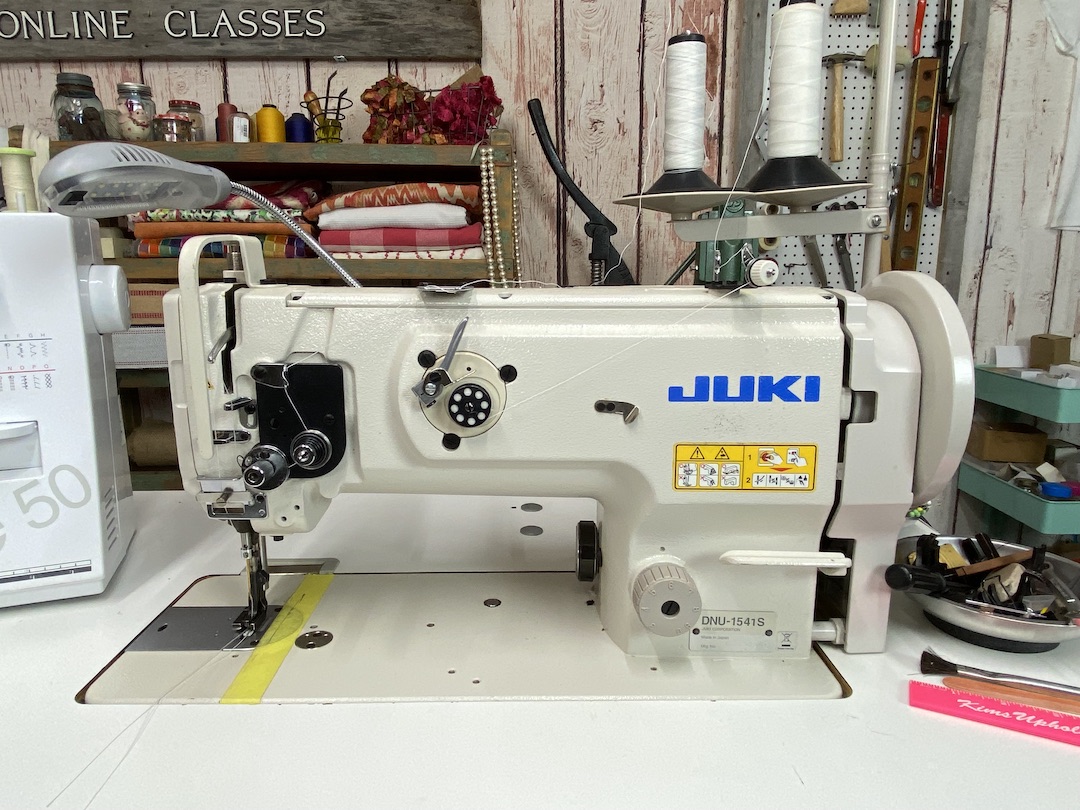
The Juki DDL-8700 is a powerful industrial machine. It works fast and handles very thick fabrics. This model is built for long hours and heavy use. Professionals choose it for large upholstery jobs and tough materials.

Credit: www.youtube.com
How To Choose The Right Machine
Choosing the right sewing machine for upholstery matters a lot. Upholstery fabric is thick and tough. Not all machines handle it well. Picking a good machine saves time and effort. It also gives better results. Focus on your needs before buying. Think about your skills and budget. Check the support and warranty. These points help find the best fit for you.
Assessing Your Project Needs
Start by thinking about the projects you want. Upholstery work needs strong machines. Look for a machine that can sew thick fabric. Heavy-duty machines work best. Check the stitch options available. Different stitches help with various fabrics. Size of the machine matters too. Big projects need a bigger space to work.
Considering Your Skill Level
Your experience with sewing affects your choice. Beginners need simple machines. Easy controls and clear instructions help. Advanced users can handle complex machines. They offer more features and speed. Choose a machine you feel comfortable with. Learning new machines takes time.
Budget And Long-term Investment
Set a budget before buying. Upholstery machines cost more than regular ones. Think about how often you will use it. Spending more can mean better quality. A good machine lasts many years. It also reduces repair costs. Balance price with the features you need.
Available Support And Warranty
Check if the machine comes with a warranty. Warranties protect against defects and damages. Good customer support is important too. It helps solve problems quickly. Look for machines with service centers near you. Manuals and online tutorials add value. Support ensures your machine works well long term.
Maintenance Tips For Upholstery Machines
Keeping your upholstery sewing machine in good shape helps it last longer and work better. Regular maintenance prevents problems and keeps stitching smooth. Simple care steps save money and time on repairs. Follow these tips to maintain your upholstery machine.
Cleaning And Oiling
Dust and fabric bits can build up inside the machine. Clean the machine after every use. Use a small brush or compressed air to remove debris. Avoid using water or harsh chemicals. Oil the machine parts regularly. Use sewing machine oil only. Apply oil to moving parts to reduce friction. Check your machine’s manual for oiling points and frequency.
Replacing Needles And Parts
Needles wear out quickly when sewing thick fabrics. Change needles after every project or if they bend. Use needles made for upholstery fabrics. Replace worn parts like belts, bobbins, and foot pedals. Keep spare parts handy. Installing new parts keeps the machine running smoothly. Follow the manual for correct part replacement.
Troubleshooting Common Issues
Skipping stitches can mean a dull needle or wrong thread tension. Tighten or loosen the tension knob to fix this. Thread breaking often happens if the thread is poor quality or the needle is bent. Re-thread the machine carefully. Listen for unusual noises. Strange sounds may indicate a loose part or need for oil. Fix small problems early to avoid major repairs.
Credit: kimsupholstery.com

Credit: kimsupholstery.com
Frequently Asked Questions
What Features Make A Sewing Machine Good For Upholstery?
A good upholstery sewing machine has a strong motor and heavy-duty needle. It should handle thick fabrics and multiple layers. A large throat space and adjustable presser foot pressure are essential for easy maneuvering and precise stitching on bulky materials.
Can A Regular Sewing Machine Handle Upholstery Projects?
Most regular machines struggle with thick upholstery fabrics. They lack power and durability for heavy materials. Specialized upholstery machines have stronger motors and reinforced parts to manage dense fabrics without breaking needles or skipping stitches.
Which Sewing Machine Brands Are Best For Upholstery?
Top brands for upholstery sewing machines include Juki, Singer, and Janome. These brands offer models with heavy-duty features and reliable performance. They provide machines designed specifically for thick fabrics and prolonged use, making them ideal for upholstery work.
How Important Is Needle Type For Upholstery Sewing?
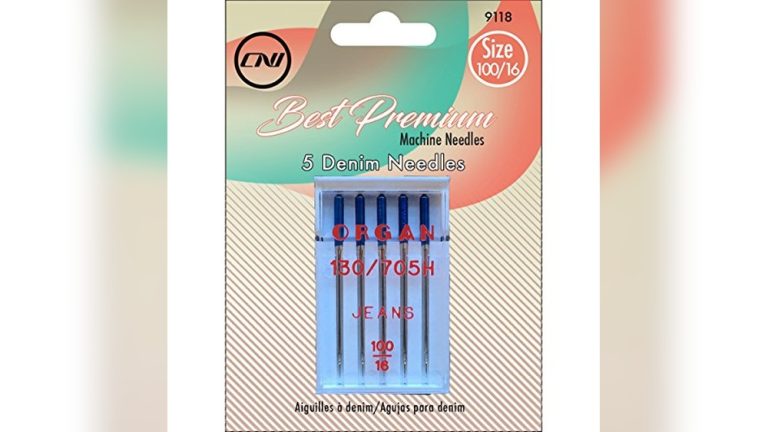
Using the right needle is crucial for upholstery. Heavy-duty needles like leather or denim needles prevent breakage. They can easily penetrate thick fabrics and multiple layers, ensuring smooth and even stitches, which improves project durability and appearance.
Conclusion
Choosing the right sewing machine makes upholstery easier and faster. Strong needles and heavy-duty parts handle thick fabrics well. Look for machines with adjustable speed and stitch options. A good machine saves time and effort. It also helps create neat, lasting seams.
Think about your budget and needs before buying. The best machine fits your projects and skill level. Sewing upholstery can be fun with the right tools. Start simple, then explore more features as you go. Enjoy your sewing journey with confidence and ease.