What Kind of Sewing Machine is Best for Making Purses: Top Picks
Are you ready to create beautiful purses that stand out? Choosing the right sewing machine can make all the difference in your project’s success.
But with so many options available, how do you know which one suits your needs best? You’ll discover exactly what to look for in a sewing machine to make purses with ease and precision. By the end, you’ll feel confident picking the perfect machine that fits your style and skill level.
Keep reading—your dream purse is just a stitch away!
Types Of Sewing Machines
Sewing machines come in different types. Each type offers unique features and benefits. Choosing the right one is key for making purses. Understanding the types helps you pick the best machine for your needs.
Mechanical Machines
Mechanical machines work with manual controls. You turn dials and levers to select stitches. These machines are simple and sturdy. They handle thick fabrics like leather well. Mechanical machines are budget-friendly and easy to fix. Great for beginners who want basic functions.
Electronic Machines
Electronic machines use buttons and switches. They offer more stitch options than mechanical machines. These machines sew faster and more smoothly. Electronic models often have built-in needle threaders. They work well with various materials and layers. Ideal for those needing more control and speed.
Computerized Machines
Computerized machines have digital screens and memory. You can choose stitches and patterns with ease. Some models allow stitch customization and saving. These machines offer precision and many features. They handle complex designs and thick fabrics. Best for advanced users who want versatility and detail.

Credit: countrycowdesigns.com
Key Features For Purse Making
Choosing the right sewing machine for making purses is important. The machine must handle thick fabrics and strong threads. It also needs to sew tight, even stitches that last. Some machines offer features that make purse making easier and faster. Understanding these key features helps pick the best machine for your projects.
Stitch Strength And Durability
Purses need strong stitches to hold heavy materials. The machine should sew through layers of leather, canvas, or denim without breaking. Look for models with adjustable stitch length and width. Strong stitches keep the purse durable and prevent seams from coming apart.
Needle And Thread Compatibility
Use needles and threads designed for thick fabrics. The machine must accept heavy-duty needles. Thick thread options ensure the seams hold well. Check if the machine works with various needle sizes. This flexibility helps with different purse materials.
Speed And Control
A good sewing machine offers speed control. Slow stitching helps with detailed work and corners. Fast stitching speeds up straight seams and large areas. Smooth control reduces mistakes and improves the purse’s finish.
Specialized Presser Feet
Special presser feet make sewing easier. A walking foot moves thick layers evenly. A zipper foot helps with attaching zippers cleanly. Look for machines with these feet included or available. They help create professional-looking purses.
Material Considerations
Choosing the right sewing machine depends a lot on the materials used for making purses. Different materials need different machine features. Understanding these material needs helps find a machine that handles fabrics smoothly. The machine must work well with tough, thick, or layered materials.
Handling Leather And Vinyl
Leather and vinyl are tough materials. They need a strong needle and good motor power. A walking foot helps move these materials without slipping. Machines with adjustable presser foot pressure work best. Stitch length should be longer to avoid holes in leather. A machine that can handle thick threads is useful.
Working With Heavy Fabrics
Heavy fabrics like canvas or denim require a powerful machine. It must sew through thick layers without stopping. Look for machines with a metal frame for stability. A strong motor keeps stitches even on heavy fabric. High-quality feed dogs help pull the fabric smoothly.
Layering And Thickness
Purses often have multiple layers of fabric and interfacing. The machine needs to sew through these layers without skipping stitches. Adjustable needle positions help sew close to edges. A machine with speed control improves handling of thick parts. Good tension control keeps stitches neat across layers.
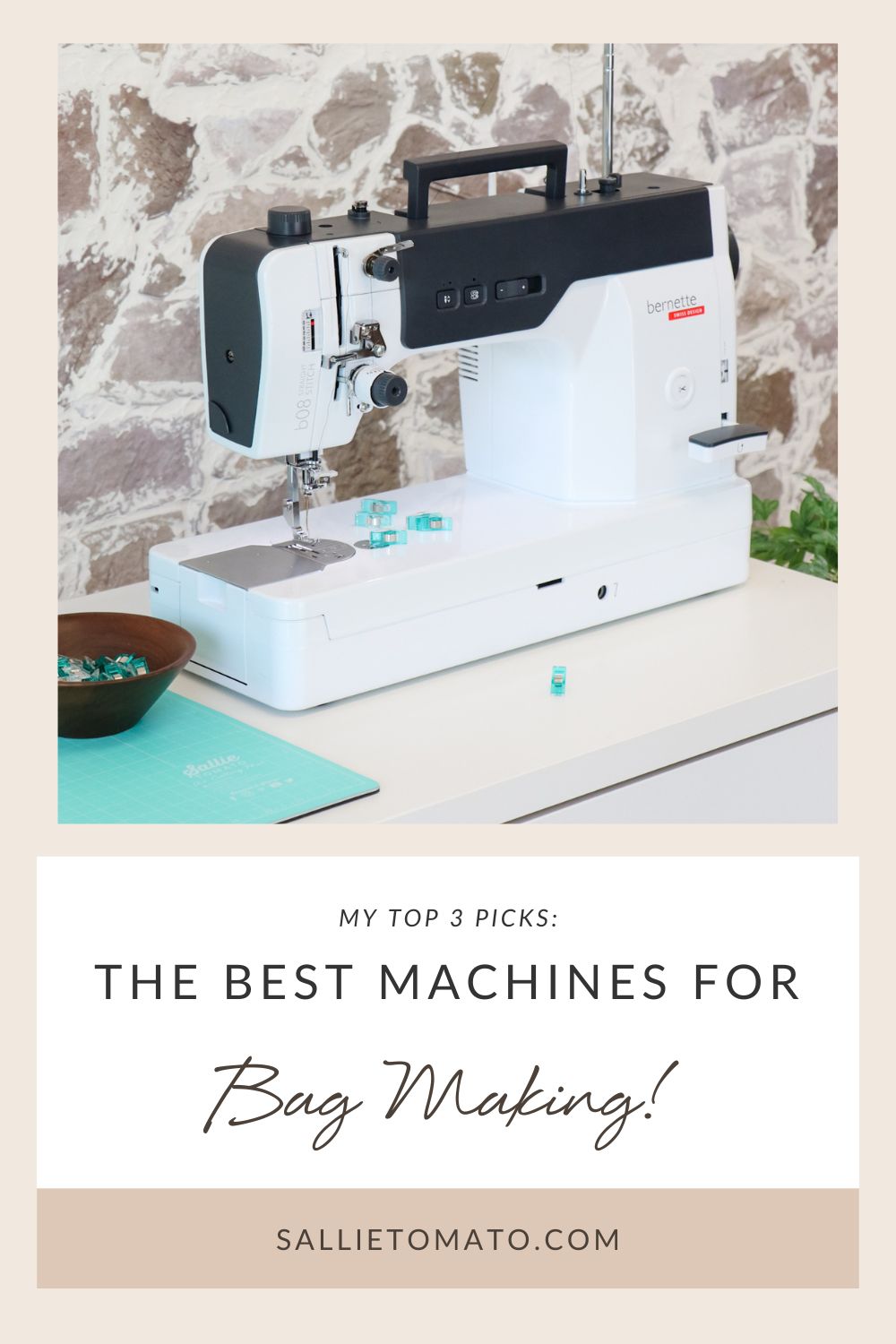
Credit: sallietomato.com
Top Sewing Machines For Purses
Sewing purses requires a machine that handles different fabrics well. The right machine makes sewing easier and faster. It also helps create strong seams to hold the purse together. Here are some top sewing machines for making purses. They fit different budgets and skill levels.
Budget-friendly Options
Basic machines work well for beginners or casual crafters. They often have simple controls and fewer stitch options. These machines can handle light to medium fabrics like cotton or canvas. They usually cost less than $200. Brands like Brother and Singer offer reliable models in this range. These machines are easy to use and maintain. Perfect for small purse projects or learning new skills.
Mid-range Machines
Mid-range machines provide more features and power. They can sew thicker materials such as leather or denim. Many models include automatic needle threaders and adjustable stitch lengths. Prices range from $200 to $600. Janome and Brother have solid choices here. These machines offer more speed and control. They suit regular purse makers who want quality and durability.
Professional-grade Models
These machines deliver top performance and durability. They handle heavy-duty fabrics and multiple layers with ease. Many have advanced features like programmable stitches and large workspaces. Prices often exceed $700. Brands like Juki and Bernina lead this category. Ideal for serious crafters or small business owners. These machines ensure strong, precise seams for high-quality purses.
Additional Accessories To Enhance Purse Making
Additional accessories make purse making easier and neater. They help sew thick fabrics and small details. Using the right feet can save time and improve your sewing quality. These tools fit on most home sewing machines. They help with specific tasks like stitching zippers or sewing edges perfectly.
Walking Feet
Walking feet help feed thick layers of fabric smoothly. Purse making often uses leather or heavy materials. These feet move the top and bottom layers evenly. This stops fabric from shifting or puckering. Walking feet also reduce needle breaks and skipped stitches. They are useful for sewing multiple layers or bulky fabrics.
Zipper Feet
Zipper feet allow stitching close to zipper teeth. Purses need zippers that look neat and work well. These feet are narrow and fit close to the zipper. They help sew straight lines without catching the zipper. Zipper feet also work for piping or sewing close to other trims. They make zipper installation clean and professional.
Edge Stitch Feet
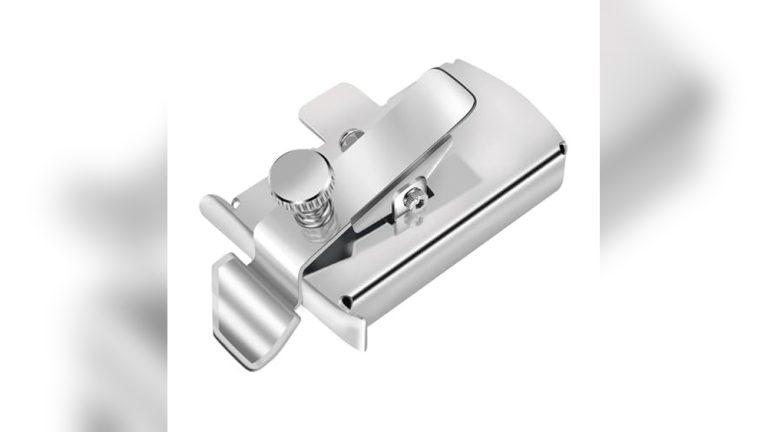
Edge stitch feet guide stitches along fabric edges. They create straight, even seams on purse edges. This foot has a small guide to keep stitches aligned. Edge stitching adds a polished look to purses. It also strengthens the seams and prevents fraying. Using this foot is helpful for topstitching and decorative sewing.
Maintenance Tips For Longevity
Keeping a sewing machine in good shape helps it last longer and work better. This is important for making purses, as the machine handles thick fabrics and many layers. Simple maintenance steps can prevent problems and save money on repairs.
Regular Cleaning
Dust and lint build up inside the sewing machine. Clean the bobbin area and feed dogs after every project. Use a small brush or compressed air to remove debris. Wipe the exterior with a soft cloth. This keeps the machine running smoothly and stops jams.
Proper Needle Replacement
Needles wear out quickly when sewing purses. Change the needle after every few projects or if it bends or breaks. Use the right needle size for thick materials like leather or canvas. A sharp needle prevents skipped stitches and fabric damage.
Lubrication And Servicing
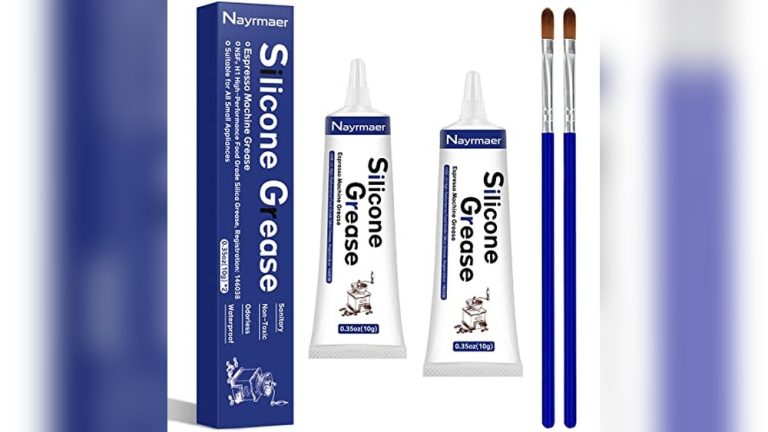
Machines need oil to reduce friction and wear. Follow the manufacturer’s guide for oiling points. Use sewing machine oil only, never other types. Get professional servicing once a year to check parts and adjust tension. This keeps the machine reliable and extends its life.

Credit: www.youtube.com
Frequently Asked Questions
What Features Should A Sewing Machine For Purses Have?
A sewing machine for purses needs strong motor power and adjustable stitch length. It should handle thick fabrics and multiple layers easily. A walking foot and heavy-duty needles are essential for precise sewing and durability.
Can A Regular Sewing Machine Make Purses Effectively?
Regular sewing machines can make purses but may struggle with thick materials. Heavy-duty or specialized machines perform better with leather and multiple fabric layers. Investing in a machine designed for thick fabrics ensures professional and long-lasting results.
Which Sewing Machines Are Best For Leather Purses?
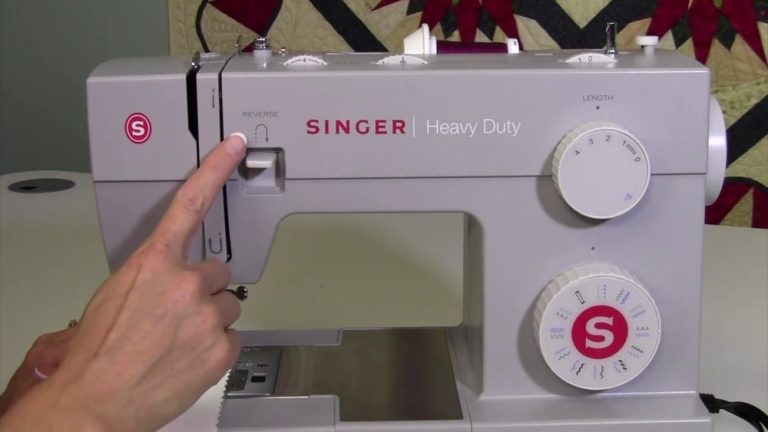
Machines with strong motors, walking feet, and heavy-duty needles suit leather purses best. Brands like Singer Heavy Duty, Janome HD3000, and Brother ST371HD are popular choices. These machines sew through thick leather smoothly without damaging the fabric.
Is It Necessary To Have A Heavy-duty Sewing Machine For Purses?
Heavy-duty machines are highly recommended for purse making. They handle thick materials and multiple layers without strain. Using a lightweight machine may cause needle breakage and uneven stitching, reducing the purse’s quality and durability.
Conclusion
Choosing the right sewing machine makes purse making easier and more fun. Pick a machine that handles thick fabrics and multiple layers well. Look for strong stitches and simple controls to save time. A reliable machine helps you create neat, durable purses every time.
This way, you enjoy sewing and get great results. Keep your needs and budget in mind when selecting. Happy sewing!