3 Main Types of Sewing Machines: Mechanical, Electronic, Computerized
The three main types of sewing machines are mechanical, electronic, and computerized. You’ll pick the right one based on how you sew. For embroidery or precise patterns, a computerized machine handles the work you can’t do by hand.
Mechanical, electronic, and computerized sewing machines
| Type | How common | How to confirm it | Fix it yourself? |
|---|---|---|---|
| Mechanical | Most household starters | Stitches chosen by dials | Yes |
| Electronic | Most intermediate sewers | Buttons select stitches, motor is electronic | Yes with care |
| Computerized | Advanced users, quilters | LCD screen shows stitch menus | No |
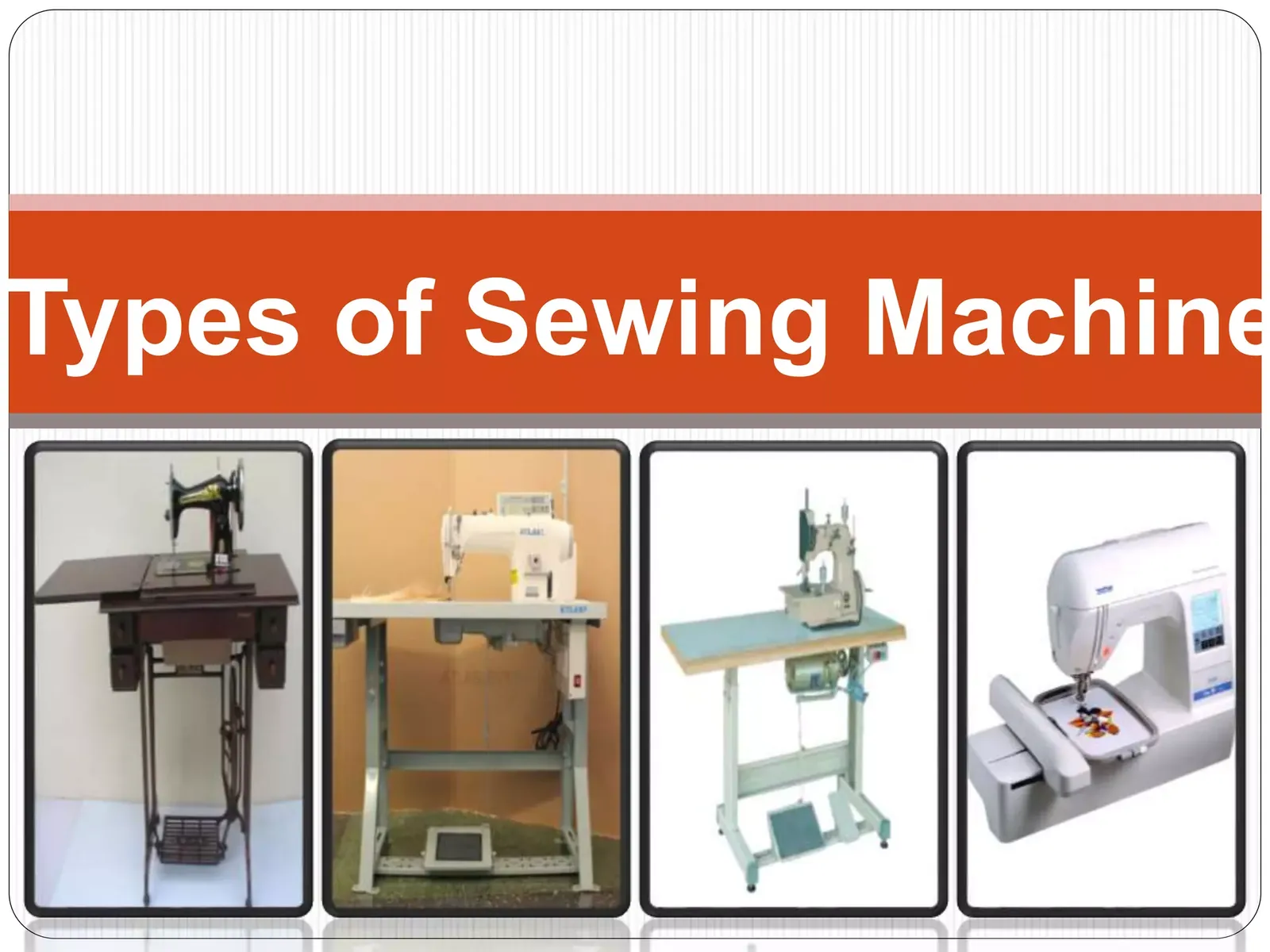
| Serger (overlock) | Specialty use | Uses 3-5 threads, cuts fabric edges | Yes with care |
| Embroidery-only | Specialty use | Hoop moves automatically under needle | No |
| Industrial straight-stitch | Factories, tailors | Heavy metal table, single stitch type | No |
Mechanical machines make up the bulk of entry-level sales because they cost less and have fewer parts that fail.
You can check which type you’re looking at by finding the stitch selector. The Singer owner’s manual page lists the exact controls for each model if yours isn’t obvious.
Mechanical machines use dials and gears
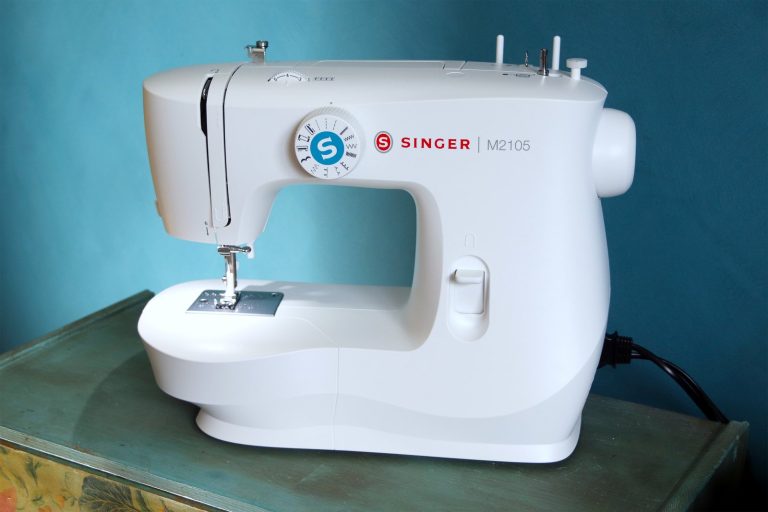
A mechanical sewing machine runs on physical parts like gears, levers, and a foot pedal that directly controls the motor speed. It doesn’t have a circuit board. That’s why it feels heavier when you press the pedal, and why the stitches stay exactly where you set them.
This type produces basic stitches: straight, zigzag, and maybe a blind hem. You change them by turning a dial on the front. If your tension goes wrong, you turn a numbered knob until the thread sits flat.
To confirm you have one, look for two things. First, a large dial with numbers for stitch length and width. Second, a foot pedal that speeds up gradually as you press harder, rather than jumping between set speeds.
Fixing it takes patience but no special training. Threading errors cause most skipped stitches. Rethread the top path with the presser foot raised so the tension discs open. That takes about 2 minutes. Oiling the moving joints once a year keeps the gears quiet. Use only sewing machine oil, never cooking oil, which gums up the works.
A mechanical machine costs about half what a basic computerized one does. You won’t get automatic buttonholes, though. If you need perfect buttonholes every time, this type will frustrate you. But for mending, simple garment sewing, or learning, it’s the sturdiest choice.
Electronic machines add push-button control
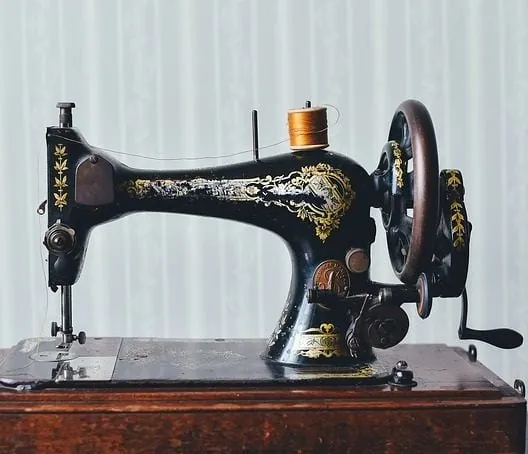
An electronic sewing machine uses a circuit board to run the motor, even though you still pick stitches manually. The difference from a mechanical model is immediate: the foot pedal controls power, but the board regulates the speed. You get consistent stitching whether you press hard or soft.
You tell it apart from a mechanical machine by the stitch selectors. Instead of a turning dial, you press buttons. Each button sends a signal to the motor to move the needle bar in a specific pattern. This gives you more stitch options—often 20 to 100—without adding heavy gears.
To test it, plug it in and press a stitch button. The machine should beep or light up an indicator. Try sewing slowly. An electronic motor holds its strength at low speeds, so the needle punches through thick denim just as easily as thin cotton. A mechanical motor often stalls at slow speeds.
Maintenance is slightly different. You still clean lint from the bobbin area, but you shouldn’t open the casing near the circuit board. Moisture damages electronics fast. Keep it away from humid rooms.
These machines cost roughly a third more than mechanical ones. They suit people who sew clothes regularly and want variety without paying for a touch screen. Don’t buy one if you only sew straight lines twice a year—the extra features won’t earn their keep.
Computerized machines run on software
A computerized sewing machine has a microprocessor that controls the needle, feed dogs, and often the thread tension. You interact with it through an LCD screen or touchscreen. It’s a completely different experience from turning dials or pressing basic buttons.
The symptom that separates it from an electronic machine is automation. You select a buttonhole style on the screen, attach the foot, and the machine sews the whole thing—forward, backward, and bartacks—without you guiding the fabric. An electronic machine might help, but you still steer.
Confirm it by looking for a display screen showing stitch patterns, sizes, and sometimes thread colors. Many models let you download new patterns via USB. Some connect to tablets.
The trade-off is clear: precision versus repairability. A computerized machine sews complex quilt blocks perfectly. But if the motherboard fails, you can’t fix it at home. You’ll need an authorized technician, and the repair often costs nearly as much as a new mechanical machine.
Don’t buy this if you sew outdoors, travel constantly, or work in dusty environments. The screens and boards are fragile. Check your machine’s firmware version on the manufacturer’s support page before updating—installing the wrong file can freeze the system entirely.
Rare specialty machines you might encounter
Not everything fits into the three main categories. Some machines do one job so well that they don’t belong in a general comparison. These are rare in average homes but standard in specific trades.
- Sergers trim fabric edges while sewing with 3 to 5 threads at once; the clue is multiple cone spools on top and a cutting blade beside the needle.
- Coverstitch machines create the double-needle hems you see on store-bought t-shirts; you’ll spot them by two needles and a looper underneath.
- Embroidery-only units move the hoop automatically while the needle stays mostly fixed; they lack feed dogs for regular sewing.
- Longarm quilting machines sit on a 10-to-14-foot frame and move over stationary fabric; they take up an entire room.
- Industrial straight-stitch machines bolt into heavy tables and run at 5,000 stitches per minute; they only sew forward and backward.
If your machine has five thread cones or mounts to a steel table, you’re past the DIY line. Adjusting timing on a serger or rewiring an industrial clutch motor risks injury and voided warranties. Take those to a certified dealer.
What choosing between the 3 main types of sewing machines requires

Picking the right type depends on what you actually sew, not what you hope to learn someday. A mechanical machine demands only basic threading knowledge and a screwdriver for cleaning.
Don’t guess your needs. Measure the thickest fabric you’ll sew, count how many projects you finish a month, and match that to the machine’s specs. The exact stitch count or motor wattage is printed on the sticker near the power switch or listed in the official manual. Read that number before you buy.
Frequently asked questions
Can I sew leather on a mechanical machine?
Yes, if it’s lightweight garment leather under 2 ounces thick. Use a leather needle (size 90/14 or 100/16) and lengthen your stitch to 3.5 mm. Thick upholstery leather will stall a standard mechanical motor and bend the needle.
Why does my electronic machine beep and stop?
It usually means the bobbin thread ran out or jammed. The sensor detects the resistance spike and halts the motor to protect the circuit board. Clear the jam, rethread the bobbin, and restart.
How long does a computerized sewing machine last?
About 10 to 15 years with normal home use, assuming the electronics don’t suffer power surges. The mechanical parts outlast the motherboard. Check your warranty card for the exact coverage period on electronic components.
Is it safe to oil an electronic sewing machine?
Only the metal hook race where the bobbin sits. Never put oil near the circuit board or plastic gears. How often to apply one drop of sewing machine oil in the bobbin case depends on use, and the owner’s manual is the authority. Wipe away any excess.
What happens if I use the wrong needle size?
Skipped stitches, broken threads, or a snapped needle that can hit your fingers. Match the needle size to your fabric weight: 70/10 for silk, 80/12 for cotton, 90/14 for denim. The package always prints this chart.
Does it matter if I buy a machine with metal gears?
Metal gears handle heavy fabrics better and last longer than plastic ones. Plastic gears strip if you force thick layers through. If you sew canvas or denim, choose a model that specifies internal metal framing.
How many stitches do I actually need?
For clothing repairs and basic sewing, 5 to 10 stitches cover everything. Quilters might use 20. Machines advertising 300+ stitches include decorative variations you’ll likely try once. Don’t pay extra for numbers you won’t use.
Can I upgrade a mechanical machine to computerized?
No. The internal frame, motor type, and wiring harnesses are completely different. Adding a screen to a gear-driven body isn’t possible. You’d need to buy a separate computerized unit.
Conclusion
Every machine type solves a different problem. Pick the one that matches your actual projects, read the spec sticker on the side, and skip the features you won’t touch.
{“@context”:”https://schema.org”,”@type”:”FAQPage”,”mainEntity”:[{“@type”:”Question”,”name”:”Can I sew leather on a mechanical machine?”,”acceptedAnswer”:{“@type”:”Answer”,”text”:”Yes, if it’s lightweight garment leather under 2 ounces thick. Use a leather needle (size 90/14 or 100/16) and lengthen your stitch to 3.5 mm. Thick upholstery leather will stall a standard mechanical motor and bend the needle.”}},{“@type”:”Question”,”name”:”Why does my electronic machine beep and stop?”,”acceptedAnswer”:{“@type”:”Answer”,”text”:”It usually means the bobbin thread ran out or jammed. The sensor detects the resistance spike and halts the motor to protect the circuit board. Clear the jam, rethread the bobbin, and restart.”}},{“@type”:”Question”,”name”:”How long does a computerized sewing machine last?”,”acceptedAnswer”:{“@type”:”Answer”,”text”:”About 10 to 15 years with normal home use, assuming the electronics don’t suffer power surges. The mechanical parts outlast the motherboard. Check your warranty card for the exact coverage period on electronic components.”}},{“@type”:”Question”,”name”:”Is it safe to oil an electronic sewing machine?”,”acceptedAnswer”:{“@type”:”Answer”,”text”:”Only the metal hook race where the bobbin sits. Never put oil near the circuit board or plastic gears. How often to apply one drop of sewing machine oil in the bobbin case depends on use, and the owner’s manual is the authority. Wipe away any excess.”}},{“@type”:”Question”,”name”:”What happens if I use the wrong needle size?”,”acceptedAnswer”:{“@type”:”Answer”,”text”:”Skipped stitches, broken threads, or a snapped needle that can hit your fingers. Match the needle size to your fabric weight: 70/10 for silk, 80/12 for cotton, 90/14 for denim. The package always prints this chart.”}},{“@type”:”Question”,”name”:”Does it matter if I buy a machine with metal gears?”,”acceptedAnswer”:{“@type”:”Answer”,”text”:”Metal gears handle heavy fabrics better and last longer than plastic ones. Plastic gears strip if you force thick layers through. If you sew canvas or denim, choose a model that specifies internal metal framing.”}},{“@type”:”Question”,”name”:”How many stitches do I actually need?”,”acceptedAnswer”:{“@type”:”Answer”,”text”:”For clothing repairs and basic sewing, 5 to 10 stitches cover everything. Quilters might use 20. Machines advertising 300+ stitches include decorative variations you’ll likely try once. Don’t pay extra for numbers you won’t use.”}},{“@type”:”Question”,”name”:”Can I upgrade a mechanical machine to computerized?”,”acceptedAnswer”:{“@type”:”Answer”,”text”:”No. The internal frame, motor type, and wiring harnesses are completely different. Adding a screen to a gear-driven body isn’t possible. You’d need to buy a separate computerized unit.”}}]}