Easiest Sewing Machine for Seniors: Simple Features to Look For
A mechanical sewing machine with a top-loading bobbin and a simple speed control is the easiest sewing machine for seniors because it avoids complex digital menus. If you have limited vision or hand strength, look for models with automatic needle threaders and large, clear dials. While these machines are perfect for basic repairs and simple quilting, they might not suit someone who needs to program complex embroidery patterns. This varies by model — check the label to ensure the weight and tension settings are easy for you to adjust manually.
The Easiest Sewing Machine for Seniors
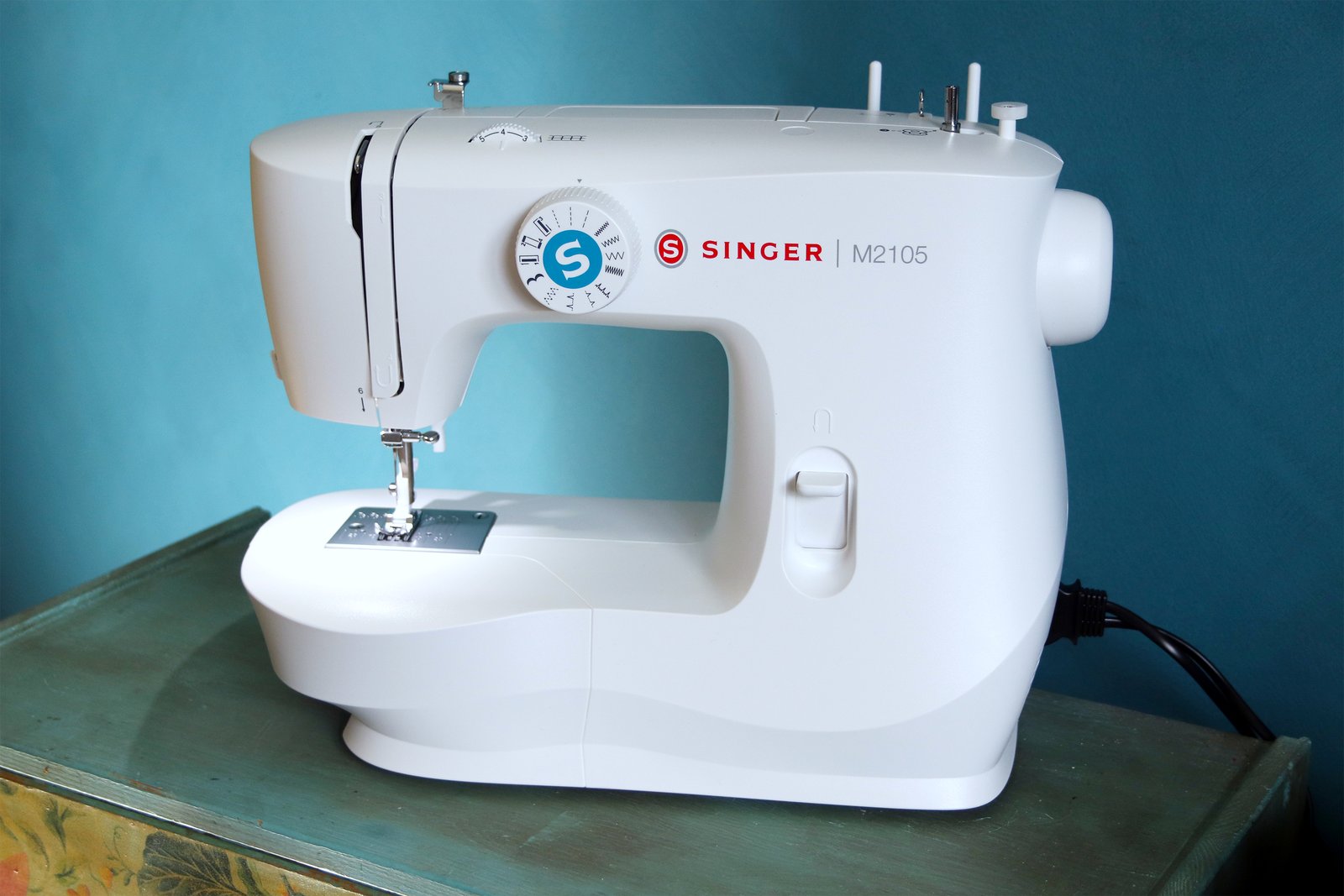
The right machine depends on how much you plan to sew and whether you prefer modern automation or old-fashioned simplicity.
| Method | How long | Effort | Cost | Best for |
|---|---|---|---|---|
| Mechanical | Low | Medium | Low | Basic repairs |
| Computerized | Medium | Low | Medium | Precise stitches |
| Portable | Low | Low | High | Travel sewing |
Mechanical machines use physical dials for every setting, which makes them very reliable. Computerized models offer buttons to select stitches, which reduces the need for manual adjustments but requires learning a digital interface. Portable machines are light, but they often lack the power to sew through thick fabrics like denim or heavy upholstery.
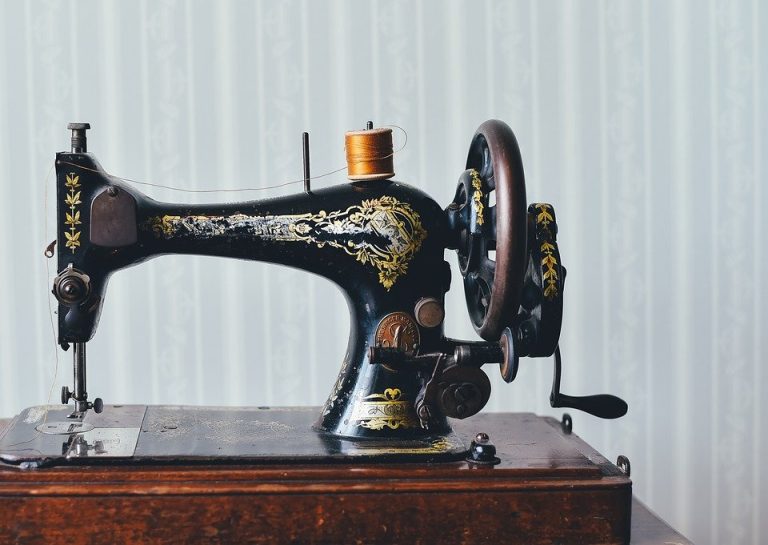
Simple mechanical machines
These machines rely on physical knobs rather than touchscreens. They’re ideal for users who want to avoid the “learning curve” of software updates or digital menus.
- Place the bobbin into the top-loading case according to the manual’s diagram.
- Thread the upper needle using the built-in automatic threader.
- Turn the dial to select a straight stitch or a zigzag stitch.
- Adjust the stitch length knob to two millimeters for standard fabric.
- Press the foot pedal slowly to begin sewing.
These machines are excellent because you can see exactly how the tension is set by looking at the dial. If the machine skips a stitch, you likely need a fresh needle; keep a pack of universal size 80/12 needles on hand to resolve this quickly. The main weakness is that they have fewer decorative stitch options than digital alternatives.
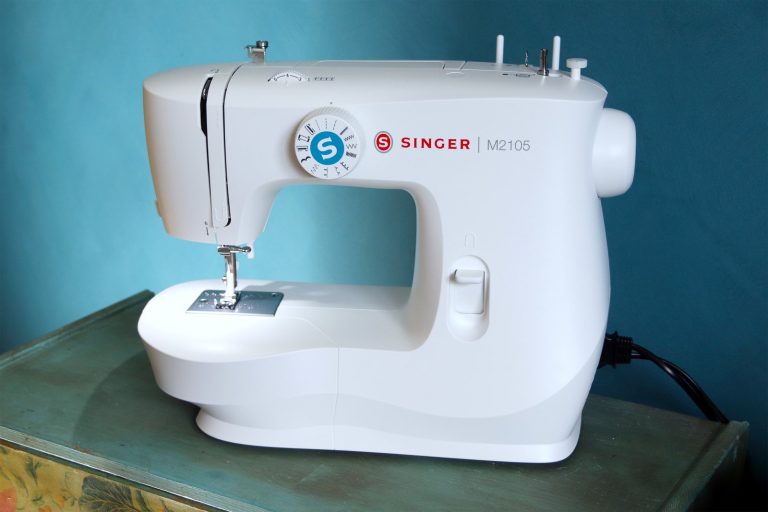
Computerized entry-level machines
These models use a motor to handle stitch selection. They save time because the computer sets the tension automatically, which is helpful if you find manual tension adjustments difficult to manage.
- Plug the machine into a grounded outlet.
- Select your stitch by pressing the clearly labeled button on the front panel.
- Use the start/stop button if you prefer not to use a foot pedal.
- Set the speed slider to the lowest position for maximum control.
- Press the needle-up/down button to finish your seam without turning the wheel.
These machines are great for people with arthritis because they require very little physical force to change settings. The screen shows you exactly which foot to use for each stitch, which prevents common errors. The trade-off is that these machines are more sensitive to power surges. If you live in an area with unstable electricity, consider using a high-quality surge protector to prevent damage to the internal circuit board.
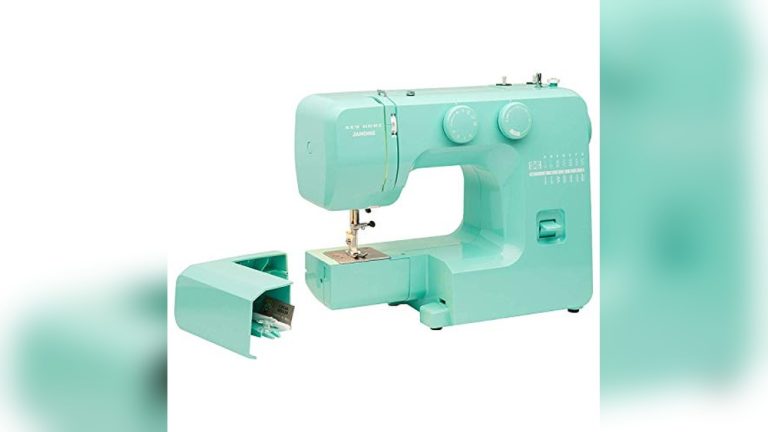
Lightweight portable units
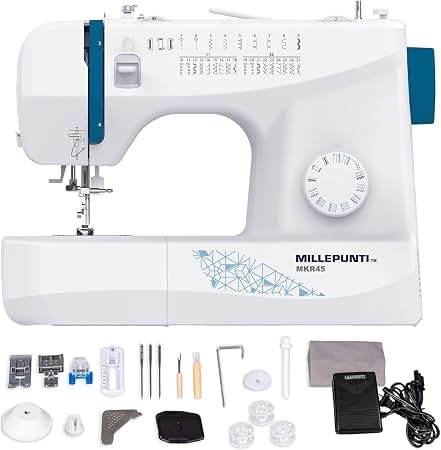
These machines are designed for people who attend sewing classes or have limited storage space. They weigh significantly less than standard metal-frame machines.
- Set the machine on a flat, stable table.
- Insert the batteries or plug in the power adapter.
- Feed the fabric under the presser foot.
- Hold the fabric lightly while the machine moves it forward.
- Lift the lever at the back to release the fabric when finished.
These units are excellent for quick fixes like hemming pants or repairing a loose pocket. They’re very quiet and easy to move between rooms. However, they lack the torque of a full-sized machine. If you try to sew through three layers of heavy canvas, the motor will likely stall. This isn’t a machine for large projects like quilts or curtains. For those tasks, a full-sized mechanical or computerized model is required to maintain consistent stitch quality and prevent fabric bunching.
Which one should you use?
If you’re in a hurry, choose a computerized machine because the automatic settings allow you to start sewing immediately without testing tension on scrap fabric. The computer handles the heavy lifting, which lets you finish simple tasks in minutes.
If you’re doing this for the first time, choose a mechanical machine. The physical dials provide tactile feedback that helps you understand the mechanics. You can see the parts moving as you turn the knobs, which makes the learning process much more intuitive than staring at a digital screen.
If you want the best possible result, choose a high-quality mechanical machine with a sturdy metal frame. While they require more manual input, they offer superior stitch consistency for professional-looking seams. The trade-off is that they’re heavier and require more physical effort to set up and maintain. If your goal is to produce garments that last for years, the durability of a metal-frame mechanical machine is worth the extra weight and effort required to operate it.
The rules that apply whichever way you choose
Regardless of the machine you pick, you must keep the workspace clean. Dust and lint are the primary enemies of all sewing machines. Use a small brush to remove lint from the bobbin area after every project. If you ignore this, the machine will eventually jam, which can lead to expensive repairs.
Always use the correct needle for your fabric type. Using a heavy-duty needle on thin silk will leave holes, while a delicate needle will snap if used on denim. If you’re unsure, check the manufacturer’s guide for the recommended needle size.
Training is essential for safety. If you have never used a machine before, look for local sewing classes at a community center or a local quilt shop. These experts can show you how to handle the needle and the foot pedal safely. Never attempt to service the internal motor or the electrical housing yourself. Internal electrical work should be left to a professional technician. Always turn the machine off and unplug it before changing the needle or cleaning the bobbin area to prevent accidental activation.
Frequently asked questions
Photo: www.allpeoplequilt.com on Google
Can a senior with arthritis use a sewing machine easily?
Yes, computerized machines with push-button start and automatic threaders are very friendly for those with limited hand strength. These features remove the need to turn small hand-wheels or thread tiny needles by hand. If you find the foot pedal uncomfortable, look for a machine that includes a speed slider and a “start/stop” button, which allows you to operate the entire unit using only your fingertips.
Why does my sewing machine thread keep breaking?
The most common cause is incorrect threading of the upper tension discs or using a dull needle. Ensure the presser foot is in the “up” position when you thread the machine, as this opens the tension discs. If the thread is caught, it will snap as soon as you start. If the issue persists, replace the needle and re-thread the entire machine from the spool to the eye.
How long does a sewing machine last?
A well-maintained mechanical machine can last for twenty years or more, while computerized models may reach the end of their service life sooner due to electronic component wear. Regular cleaning and professional servicing as part of your usual maintenance will extend the life of any model significantly. If you buy a machine from a reputable brand, they often provide support and parts for many years after the initial purchase.
Is it safe to leave a sewing machine plugged in?
No, you should always unplug your machine when you’re finished using it. Leaving it plugged in poses a small risk of electrical fire if the machine is damaged or if a power surge occurs. It also prevents accidental operation if a child or pet touches the pedal. Keep the cord neatly wrapped and away from high-traffic areas to avoid tripping hazards.
What happens if I use the wrong bobbin?
Using the wrong bobbin will cause the machine to skip stitches or jam the internal hook mechanism. Every machine is designed for a specific bobbin size and shape, such as Class 15 or Class 66. Never force a bobbin into the case; it should drop in easily. If you can’t find the right one, check the manual or the manufacturer’s website for the exact part number your machine requires.
Final Thoughts
Finding the right tool shouldn’t feel like a chore, so don’t be afraid to visit a local shop to test a few machines in person. You’ll quickly see which dials feel comfortable under your fingers. Once you’ve picked a favorite, you’ll be ready to start your first project with total confidence.
{“@context”:”https://schema.org”,”@type”:”FAQPage”,”mainEntity”:[{“@type”:”Question”,”name”:”Can a senior with arthritis use a sewing machine easily?”,”acceptedAnswer”:{“@type”:”Answer”,”text”:”Yes, computerized machines with push-button start and automatic threaders are very friendly for those with limited hand strength. These features remove the need to turn small hand-wheels or thread tiny needles by hand. If you find the foot pedal uncomfortable , look for a machine that includes a speed slider and a \”start/stop\” button, which allows you to operate the entire unit using only your fingertips.”}},{“@type”:”Question”,”name”:”Why does my sewing machine thread keep breaking?”,”acceptedAnswer”:{“@type”:”Answer”,”text”:”The most common cause is incorrect threading of the upper tension discs or using a dull needle. Ensure the presser foot is in the \”up\” position when you thread the machine, as this opens the tension discs. If the thread is caught, it will snap as soon as you start. If the issue persists, replace the needle and re-thread the entire machine from the spool to the eye.”}},{“@type”:”Question”,”name”:”How long does a sewing machine last?”,”acceptedAnswer”:{“@type”:”Answer”,”text”:”A well-maintained mechanical machine can last for twenty years or more, while computerized models may reach the end of their service life sooner due to electronic component wear. Regular cleaning and professional servicing as part of your usual maintenance will extend the life of any model significantly. If you buy a machine from a reputable brand, they often provide support and parts for many years after the initial purchase.”}},{“@type”:”Question”,”name”:”Is it safe to leave a sewing machine plugged in?”,”acceptedAnswer”:{“@type”:”Answer”,”text”:”No, you should always unplug your machine when you’re finished using it. Leaving it plugged in poses a small risk of electrical fire if the machine is damaged or if a power surge occurs. It also prevents accidental operation if a child or pet touches the pedal. Keep the cord neatly wrapped and away from high-traffic areas to avoid tripping hazards.”}},{“@type”:”Question”,”name”:”What happens if I use the wrong bobbin?”,”acceptedAnswer”:{“@type”:”Answer”,”text”:”Using the wrong bobbin will cause the machine to skip stitches or jam the internal hook mechanism. Every machine is designed for a specific bobbin size and shape, such as Class 15 or Class 66. Never force a bobbin into the case; it should drop in easily. If you can’t find the right one, check the manual or the manufacturer’s website for the exact part number your machine requires.”}}]}