What to Do When Sewing Machine is Not Moving: Quick Fixes & Tips
Is your sewing machine stuck and refusing to move? It’s frustrating when you’re ready to create, but your machine just won’t cooperate.
You might feel stuck, unsure what to do next. Don’t worry—this problem is more common than you think, and there are simple steps you can take to fix it. Keep reading, and you’ll discover easy tricks to get your sewing machine moving smoothly again, so you can get back to making your favorite projects without delay.

Credit: www.youtube.com
Common Causes Of A Stuck Sewing Machine
Sewing machines can stop moving for several reasons. Knowing the common causes helps fix the problem quickly. This saves time and avoids frustration. Understanding these causes makes sewing easier and more enjoyable.
Thread Jams And Tangling
Thread jams happen when the thread gets stuck inside the machine. Tangled thread can block the needle or bobbin area. This stops the machine from moving. Removing the tangled thread and rethreading usually solves this issue.
Fabric Caught In The Machine
Fabric can get caught under the presser foot or feed dogs. This prevents the machine from moving the fabric forward. The needle may also break or bend. Carefully removing the fabric from the machine helps restore movement.
Mechanical Blockages
Dust, lint, or small pieces of thread can block the machine parts. Gears or shafts may stop turning smoothly. Regular cleaning and oiling keeps the machine running well. Mechanical blockages often cause the machine to freeze.
Power Supply Issues
The machine may not move if it has no power. Loose plugs, broken cords, or a faulty switch can cause this. Checking the power connection and testing the foot pedal helps find electrical problems. Power issues stop the motor from running.

Credit: www.youtube.com
Immediate Steps To Free The Machine
When a sewing machine stops moving, act quickly to avoid damage. Follow simple steps to free the machine safely. These steps help find the problem fast and get your machine running again.
Power Off And Unplug
Always turn off the machine first. Unplug it from the power source. This stops any accidental movement. It keeps you safe while checking the machine.
Remove Fabric And Thread
Take out the fabric carefully. Cut and remove any tangled thread. Clear the sewing area to see the problem. This prevents more jams or damage.
Check The Bobbin Area
Open the bobbin case cover. Look for stuck thread or lint inside. Clean out any debris with a small brush. A blocked bobbin area often stops movement.
Manually Turn The Handwheel
Try turning the handwheel by hand. Turn it slowly toward you. This can free the needle and gears. Feel for resistance or a jam. Do not force it hard.
Cleaning And Maintenance Tips
Cleaning and maintaining your sewing machine keeps it running smoothly. Dirt and dust can stop the machine from moving. Regular care helps avoid breakdowns and costly repairs. Simple steps can make a big difference in performance.
Removing Lint And Debris
Lint builds up inside the machine over time. Use a small brush or soft cloth to clean it out. Focus on the bobbin case and feed dogs. Removing lint frees moving parts and improves stitching. Clean after every few sewing sessions for best results.
Oiling Moving Parts
Oiling reduces friction and wear on parts. Use sewing machine oil only, not other oils. Apply a drop to the recommended spots in your manual. Wipe off extra oil to avoid stains on fabric. Oil the machine every few hours of use.
Replacing Needles
Dull or bent needles can block the machine. Change needles regularly to keep sewing smooth. Use the right needle size and type for your fabric. Replace the needle after every 8 hours of sewing. New needles protect your fabric and machine parts.
Regular Machine Servicing
Professional servicing checks for hidden problems. Technicians clean, oil, and fix parts properly. Schedule service once or twice a year, depending on use. Servicing keeps your machine reliable and extends its life. Don’t wait for big problems to start servicing.
Troubleshooting Electrical Problems
Electrical problems often cause a sewing machine to stop moving. These issues can be simple to fix with a few checks. Start by focusing on the power supply and controls. This guide covers key steps to find the problem fast.
Inspecting The Foot Pedal
The foot pedal controls the machine speed and power. Check if it feels loose or broken. Press it gently and listen for any strange sounds. Dirt or dust inside can block its function. Clean the pedal with a dry cloth. Test it on another machine if possible. Replace the pedal if it does not work.
Checking Power Cords
Power cords carry electricity to the machine. Look for cuts, bends, or worn spots on the cord. Check the plug for bent or broken pins. Make sure the cord is fully plugged into the outlet. Try a different outlet to confirm power supply. A damaged cord must be replaced immediately for safety.
Testing The Motor Function
The motor drives the sewing machine parts. Listen for humming or unusual noises when starting the machine. If silent, the motor might be faulty or disconnected. Use a multimeter to check motor voltage and continuity. Loose wires inside can cause motor failure. Call a professional if motor repairs are needed.
Preventive Measures To Avoid Future Jams
Preventive measures help keep your sewing machine running smoothly. They stop jams before they start. Small steps make a big difference in machine health. Save time and avoid frustration by caring for your machine regularly.
Using Correct Thread And Needle
Choose thread and needle that match your fabric. Thin thread with a thick needle causes jams. Thick thread with a small needle breaks easily. Replace needles after 8 hours of sewing. Use good quality thread for smooth stitching.
Adjusting Tension Settings
Check tension before sewing each project. Too tight tension pulls the thread and jams the machine. Too loose tension causes loops and tangles. Adjust tension in small steps. Test on scrap fabric to find the best setting.
Proper Threading Techniques
Follow the manual to thread your machine carefully. Incorrect threading causes thread to catch and stop moving. Pull thread gently through guides and tension disks. Use the correct bobbin size and place it properly. Rethread if you notice thread bunching or slipping.
Routine Machine Checks
Clean your machine regularly to remove lint and dust. Oil moving parts as the manual advises. Tighten screws and check for loose parts. Inspect the feed dogs and bobbin case often. A well-maintained machine sews without stopping.
Credit: www.reddit.com
Frequently Asked Questions
Why Is My Sewing Machine Not Moving At All?
Your sewing machine may not move due to a jammed needle or tangled thread. Check for thread jams and remove any fabric stuck. Ensure the machine is properly oiled and the foot pedal is functioning. Clean and reset the machine if necessary.
How To Fix A Sewing Machine That Won’t Feed Fabric?
If the fabric isn’t feeding, check the feed dogs under the needle plate. Raise them if they are lowered. Clean out lint and debris around the feed dogs. Adjust the presser foot pressure to ensure proper fabric grip.
What Causes A Sewing Machine To Stop Moving Suddenly?
A sudden stop can result from a tangled bobbin thread or a motor overload. Turn off the machine and clear any thread jams. Check the power supply and allow the motor to cool if overheated. Restart once issues are resolved.
Can A Broken Belt Stop The Sewing Machine From Moving?
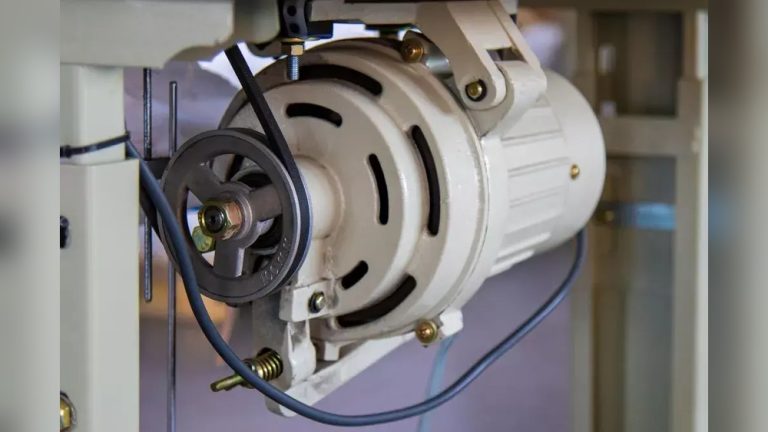
Yes, a broken or slipped belt can prevent movement. Inspect the belt for wear or damage. Replace or tighten the belt if needed. Proper belt tension is essential for smooth machine operation.
Conclusion
A sewing machine that stops moving can feel frustrating. Check the power and foot pedal first. Clean the machine to remove dust and lint. Look for thread jams or tangled parts. Tighten any loose screws or belts. Try these simple fixes before calling for help.
Taking small steps saves time and money. Keep your machine in good shape with regular care. Sewing will feel smooth and easy again. Don’t give up—your machine can work well soon.