How to Use Sewing Machine Step by Step: Easy Guide for Beginners
Learning how to use a sewing machine might seem tricky at first, but it doesn’t have to be. Imagine creating your own clothes, fixing torn fabric, or making personalized gifts—all by yourself.
You’re just a few simple steps away from turning fabric into something amazing. This guide will walk you through each part of the process clearly and simply. By the end, you’ll feel confident and ready to start sewing like a pro.
Keep reading, and let’s unlock your creativity together!

Credit: www.youtube.com
Choosing The Right Sewing Machine
Choosing the right sewing machine is the first step to successful sewing. The right machine fits your needs and skill level. It makes sewing easier and more enjoyable. Understanding the types, features, and costs helps in picking the best machine.
Types Of Sewing Machines
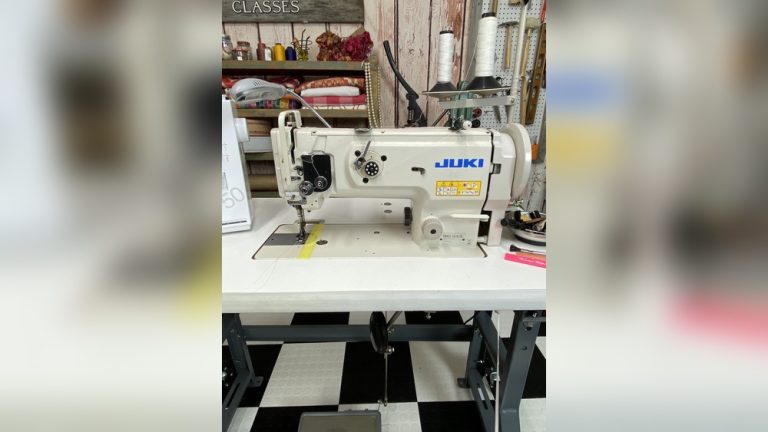
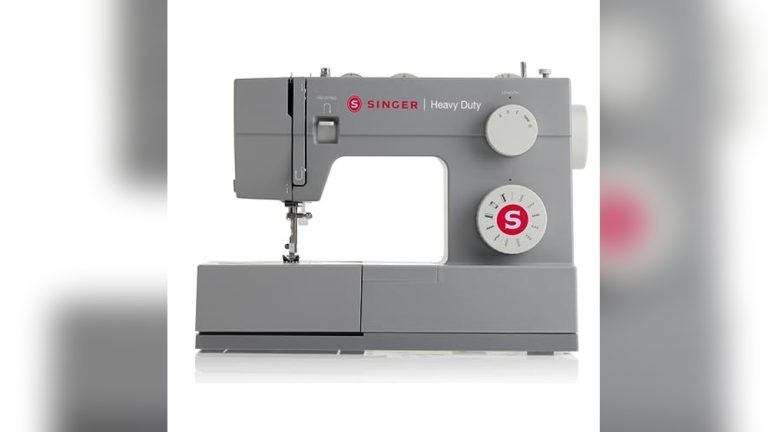
There are several types of sewing machines. Mechanical machines have simple controls and are good for beginners. Electronic machines offer more stitch options and automatic features. Computerized machines provide precision and many stitch styles. Each type suits different sewing tasks.
Features To Look For
Look for essential features first. A good machine should have adjustable stitch length and width. A built-in needle threader saves time. A free arm helps sew sleeves and small parts. Some machines have automatic buttonholes. Consider what features match your sewing projects.
Budget Considerations
Sewing machines come in various prices. Basic models are affordable and perfect for simple tasks. Mid-range machines offer more features and better durability. High-end machines cost more but have advanced functions. Decide your budget before buying to avoid overspending.

Credit: www.youtube.com
Setting Up Your Machine
Setting up your sewing machine is the first step to start sewing projects. A properly set machine works smoothly and avoids problems. Follow clear steps to prepare your machine for use. This guide breaks down the setup into easy parts.
Unboxing And Assembly
Carefully remove the sewing machine from the box. Check that all parts and accessories are included. Place the machine on a sturdy, flat surface. Attach the spool pin, foot pedal, and any other parts. Read the manual for specific assembly instructions. Make sure the power cord is connected safely.
Threading The Machine
Raise the presser foot to release tension discs. Place the thread spool on the spool pin. Follow the machine’s threading path shown in the manual. Pass the thread through tension discs and guides. Thread the needle from front to back or as shown. Pull a few inches of thread through the needle.
Winding And Inserting The Bobbin
Place an empty bobbin on the bobbin winder spindle. Guide the thread from the spool to the bobbin. Start the bobbin winder and fill the bobbin evenly. Remove the bobbin when full and cut the thread. Insert the bobbin into the bobbin case correctly. Pull the bobbin thread through the slot and close the case.
Basic Sewing Techniques
Basic sewing techniques form the foundation of using a sewing machine. Learning these skills helps you sew neat and strong seams. Understanding the machine settings and handling fabric correctly improves your sewing experience.
Practice these techniques to build confidence. Small steps lead to great results. Let’s explore some essential basics that every beginner should know.
Adjusting Stitch Length And Width
Stitch length controls how long each stitch is. Short stitches make strong seams. Long stitches are good for basting or gathering fabric.
Stitch width changes the side-to-side movement of the needle. Use narrow stitches for straight seams. Wider stitches work well for decorative patterns or zigzag stitches.
Find the stitch length and width settings on your machine. Try different settings to see how they affect your sewing.
Using Different Stitch Types
Sewing machines offer various stitch types for different tasks. The straight stitch is the most common for joining fabric pieces.
Zigzag stitches help finish edges to prevent fraying. They also work on stretchy fabrics.
Learn to use buttonhole, blind hem, and decorative stitches. Each type serves a special purpose in sewing projects.
Practicing On Scrap Fabric
Always practice new techniques on scrap fabric first. It protects your good fabric from mistakes.
Try sewing straight lines, curves, and corners on scraps. Adjust machine settings and see what works best.
Practice helps you control fabric movement and machine speed. It builds your skill and confidence.
Operating The Sewing Machine
Operating the sewing machine is a key skill for every beginner. It lets you turn fabric into beautiful, useful items. Understanding basic controls helps you sew smoothly and safely. This section breaks down the main steps for using the machine well.
Starting And Stopping
Start by pressing the foot pedal gently. This powers the machine and moves the needle down. Stop by lifting your foot off the pedal slowly. Sudden stops can break the thread or damage the fabric. Practice pressing and releasing the pedal to control your sewing.
Controlling Speed
Speed control comes from how hard you press the pedal. Press lightly to sew slowly and carefully. Push harder to sew faster on straight lines. Keep a steady pace to avoid mistakes. Slow speed helps with corners and curves. Fast speed works for long, straight stitches.
Guiding The Fabric
Hold the fabric gently with both hands. Guide it straight without pulling or pushing. Let the machine feed the fabric through. Pulling can cause uneven stitches or needle breaks. Use small movements to keep the fabric aligned. Focus on the sewing line, not the needle tip.
Common Sewing Projects For Beginners
Sewing is a fun skill to learn. Beginners can start with small projects. These projects help build confidence and basic skills. They require few materials and simple steps. Try these easy projects to practice sewing machine use.
Simple Hemming
Hemming is a basic sewing task. It fixes the edges of clothes or fabric. Use your sewing machine to fold and stitch fabric edges. This prevents fabric from fraying. Hemming pants, skirts, or curtains is a good start. It helps learn straight stitching and controlling the machine speed.
Making A Pillowcase
A pillowcase is an easy project with big results. Cut two pieces of fabric the same size. Sew three sides together, inside out. Turn the fabric right side out. Stitch the open side closed or add a flap. This project teaches simple stitching and fabric handling. A pillowcase also brightens any room.
Creating A Tote Bag
Tote bags are practical and simple to sew. Cut two large rectangles of sturdy fabric. Sew the sides and bottom together. Add handles by sewing fabric strips at the top. Tote bags hold groceries, books, or personal items. This project helps practice straight seams and sewing thick layers.

Credit: love-sew.com
Troubleshooting Tips
Troubleshooting is key to smooth sewing machine use. Problems like thread jams, tension issues, or needle troubles can stop your work. Fixing these quickly keeps your projects on track. The following tips help solve common sewing machine problems easily.
Fixing Thread Jams
Thread jams happen when thread tangles inside the machine. First, turn off the machine. Remove the fabric and gently pull out the tangled thread. Open the bobbin case and clean any lint or thread bits. Re-thread the machine carefully following the manual steps. Test sew on scrap fabric to check.
Adjusting Tension
Tension controls how tight the thread pulls during sewing. Too tight tension can break thread. Too loose causes loops on the fabric bottom. Adjust the tension dial slowly in small steps. Sew a test line after each change. Find a balance where stitches look even on both sides.
Replacing Needles
Needles wear out or bend from use. Replace needles regularly to avoid fabric damage. Turn off the machine first. Loosen the needle clamp screw and remove the old needle. Insert a new needle with the flat side facing back. Tighten the screw securely. Check needle size matches your fabric type.
Maintenance And Care
Keeping your sewing machine in good shape is key to smooth sewing. Regular care helps the machine work well and last longer. Simple steps can prevent problems and save you money on repairs.
Cleaning The Machine
Turn off and unplug the machine before cleaning. Remove lint and dust from the bobbin area and feed dogs. Use a small brush or soft cloth to clear debris. Avoid using water or liquid cleaners that may damage parts.
Oiling Moving Parts
Check your machine’s manual for oiling points. Use sewing machine oil only, not other types. Apply a drop of oil to the moving parts to reduce friction. Wipe off any extra oil to avoid stains on fabric.
Storing Properly
Keep the machine covered when not in use. Store it in a dry, dust-free place. Avoid places with high humidity or extreme temperatures. Proper storage protects the machine from damage and dust buildup.
Frequently Asked Questions
How Do I Thread A Sewing Machine Properly?
Thread the machine by following the threading path shown in your manual. Pass the thread through the tension discs and needle eye carefully. Proper threading ensures smooth stitching and prevents thread breakage during sewing.
What Type Of Fabric Works Best For Beginners?
Cotton fabric is ideal for beginners. It’s easy to handle, doesn’t slip much, and stitches well. Using cotton helps you practice sewing techniques without fabric complications.
How Do I Adjust Stitch Length On A Sewing Machine?
Locate the stitch length dial or lever on your machine. Turn or slide it to increase or decrease stitch length. Adjusting stitch length helps create stronger seams or decorative stitches.
How Can I Maintain My Sewing Machine For Longevity?
Clean lint and dust regularly from the bobbin area and feed dogs. Oil moving parts as recommended in the manual. Proper maintenance keeps your machine running smoothly and extends its life.
Conclusion
Sewing a machine takes practice and patience. Start slow and follow each step carefully. Use the right needle and thread for your fabric. Keep your hands steady and guide the cloth gently. Don’t rush; mistakes help you learn. Soon, stitching will feel natural and easy.
Enjoy making your own clothes or crafts. Sewing brings joy and saves money too. Keep trying, and your skills will grow. Happy sewing!