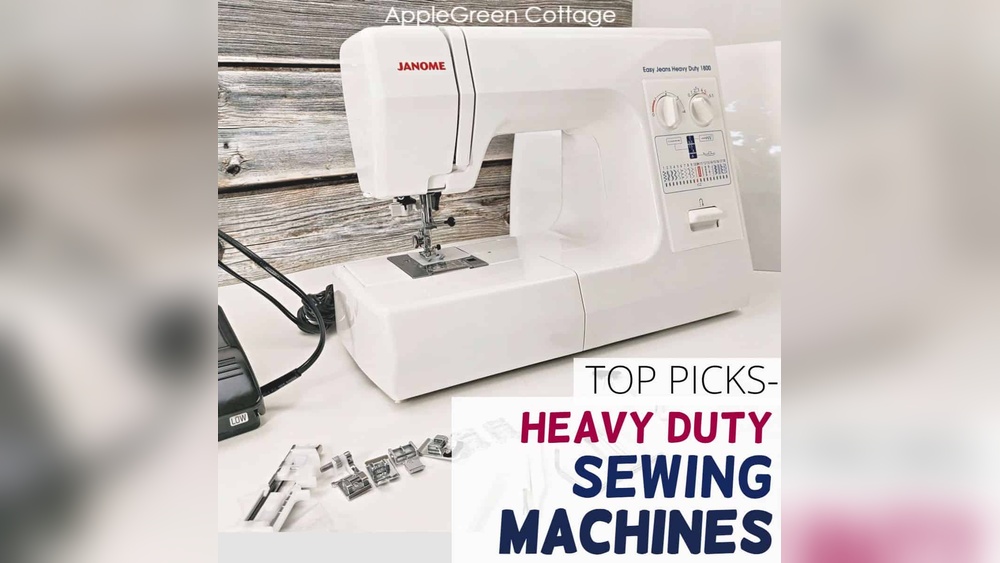
What is the Best Sewing Machine for Heavy Duty Sewing: Top Picks Reviewed
Are you tired of your sewing machine struggling with thick fabrics and heavy materials? Finding the best sewing machine for heavy-duty sewing can change how you work, making tough projects easier and more enjoyable.
Whether you’re tackling leather, denim, or multiple layers of fabric, the right machine gives you power, precision, and reliability. You’ll discover what features matter most and which machines stand out so you can make the best choice for your needs.
Keep reading to unlock the secret to sewing like a pro, no matter how tough the job.
Key Features Of Heavy Duty Sewing Machines
Heavy duty sewing machines have special features that handle tough fabrics easily. These machines work on thick materials like denim, leather, and canvas. They offer power and durability that regular machines do not. Understanding key features helps choose the right machine for strong sewing tasks.
Strong Motor And High Speed
A strong motor powers through thick fabrics without slowing down. It keeps sewing smooth and steady. High speed allows faster stitching, saving time on large projects. A powerful motor ensures consistent performance under pressure.
Durable Build And Materials
Heavy duty machines use metal parts for lasting strength. The frame and internal parts resist wear and tear. This durability supports heavy fabrics and long sewing sessions. Strong construction means fewer repairs and longer machine life.
Versatile Stitch Options
These machines offer many stitch types for different needs. Straight, zigzag, and reinforced stitches handle various fabrics. Adjustable stitch length and width improve control. Versatile stitches help finish projects with professional quality.
Large Throat Space
A large throat space holds bulky fabrics easily. It provides more room to maneuver thick materials. This feature helps sew bags, quilts, and upholstery comfortably. Extra space reduces fabric bunching and improves accuracy.
Easy Threading And Bobbin System
Simple threading saves time and reduces frustration. Clear thread paths guide quick setup. A smooth bobbin system keeps thread tension balanced. Easy threading and bobbin changes make sewing faster and easier.

Credit: www.gloryallan.com
Benefits Of Using Heavy Duty Sewing Machines
Heavy duty sewing machines offer many benefits for serious sewers. They handle tough materials with ease. These machines also last longer and deliver better stitch results. Using a heavy duty machine saves time and effort. Below are some key benefits that make these machines a smart choice.
Handling Thick Fabrics
Heavy duty sewing machines sew through thick fabrics smoothly. Denim, canvas, leather, and upholstery are no problem. Strong motors and sharp needles work together to pierce tough layers. This reduces needle breaks and skipped stitches. Sewing thick materials feels easier and less frustrating.
Extended Machine Longevity
Heavy duty machines are built to last. Their strong parts resist wear and tear from heavy use. Metal frames and high-quality components keep machines stable and durable. These machines can handle large projects without breaking down. Investing in a heavy duty model means fewer repairs and replacements.
Improved Stitch Quality
These machines create even and tight stitches. Powerful motors maintain consistent stitching speed. This prevents loose or uneven stitches, especially on thick fabrics. Better stitch quality improves the look and strength of finished projects. Heavy duty machines give professional results every time.
Increased Sewing Efficiency
Heavy duty machines work faster with less effort. They sew through layers quickly and smoothly. This saves time on big projects like bags, quilts, or curtains. Stronger motors reduce the need to stop and fix mistakes. Sewing becomes more enjoyable and productive with these machines.
Top Heavy Duty Sewing Machines Reviewed
Heavy duty sewing machines handle thick fabrics and tough materials well. They offer strong motors and durable parts. Choosing the right machine can save time and effort. Here are some top heavy duty sewing machines to consider.
Each model suits different needs and budgets. This guide reviews five popular options. It covers performance, price, and special features. Find the best machine for your heavy sewing projects.
Model A: Best Overall Performance
Model A delivers powerful stitching with smooth operation. It sews through thick fabrics like canvas and denim easily. The machine has many stitch options and strong metal parts. Users appreciate its reliability and fast speed. This model handles big projects without problems.
Model B: Best Budget Option
Model B offers good quality at a low price. It is simple to use and light enough to move around. Despite the low cost, it can sew heavy fabrics well. This machine is ideal for beginners or occasional use. It gives solid value without sacrificing strength.
Model C: Best For Quilting
Model C is designed for quilters who need power and precision. It features a large work area and easy fabric handling. This machine stitches multiple layers smoothly. It also has adjustable settings for detailed quilting patterns. A great choice for heavy-duty quilt making.
Model D: Best For Leather And Denim
Model D excels at sewing leather and thick denim. It has a strong motor and heavy-duty needles. The machine can pierce through tough materials without breaking. It offers consistent, tight stitches that hold well. Perfect for making bags, jackets, and jeans.
Model E: Best Portable Heavy Duty Machine
Model E combines power with portability. It is compact and easy to carry. Despite its size, it handles thick fabrics with ease. This machine suits crafters who travel or work in different places. It offers heavy duty performance on the go.

Credit: kimsupholstery.com
Comparison Of Features And Specifications
Choosing the best sewing machine for heavy-duty sewing means checking many features and specs. These features affect how well the machine handles thick fabrics like denim or leather. This section compares key aspects to help pick the right one. Focus on power, stitch options, build quality, extras, and support.
Motor Power And Speed
Strong motor power is vital for heavy fabrics. Machines with higher wattage cut through thick layers easily. Speed matters too. Fast machines finish projects quicker. Look for adjustable speed to control stitching on tough materials.
Stitch Variety And Adjustability
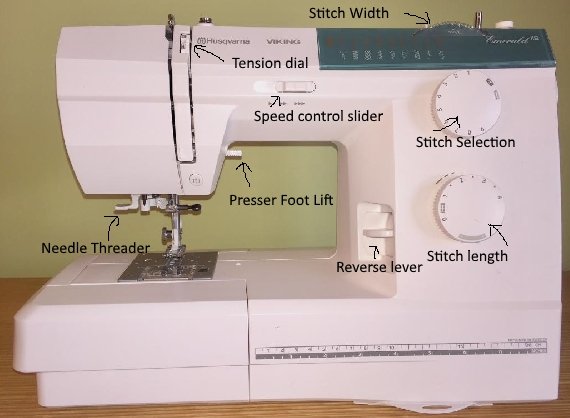
Heavy-duty sewing needs different stitch types. Basic stitches like straight and zigzag are essential. Extra stitches add creativity and functionality. Adjustable stitch length and width help customize each project. Simple controls make changes easy.
Build Quality And Durability
Metal frames last longer than plastic. Solid parts resist wear and tear. Heavy-duty machines should feel stable and sturdy. Durable components prevent breakdowns during tough jobs. Check reviews for real-world reliability.
Additional Accessories Included
Extra accessories add value to the machine. Look for heavy-duty needles, walking foot, and presser feet. Accessories ease sewing thick fabrics and layers. A good package saves money and effort.
Warranty And Customer Support
A strong warranty protects your investment. Longer coverage means better machine care. Reliable customer support helps with questions and repairs. Choose brands known for good service and fast responses.
Tips For Choosing The Right Heavy Duty Sewing Machine
Choosing the right heavy duty sewing machine can feel tricky. Many options exist, but not every machine fits your needs. Knowing what to check helps you pick the best one. This guide shares clear tips to guide your choice.
Assess Your Sewing Needs
Think about what projects you plan to sew. Are you making bags, upholstery, or denim clothes? Different machines handle tasks differently. Some work well with thick fabrics, while others are better for lighter materials. Match the machine to your main projects for best results.
Consider Fabric Types You Work With
Heavy duty machines must sew through tough fabrics. Check if the machine handles leather, canvas, or multiple layers of denim. A strong motor and metal parts help with thick materials. Choose a machine that fits the fabrics you use most often.
Budget And Long-term Investment
Heavy duty machines cost more than regular ones. Think about how much you want to spend now. Also, consider repair costs and durability. A higher price might mean longer life and fewer repairs. Balance cost with how often you will use the machine.
User-friendliness And Maintenance
Choose a machine that is easy to use and maintain. Simple controls save time and reduce mistakes. Look for models with clear manuals and easy threading. Regular cleaning and oiling keep the machine working well. Pick a machine that fits your skill level.
Brand Reputation And Reviews
Brands with good reputations often make reliable machines. Read reviews from other users to learn about their experiences. Pay attention to common problems or praised features. Trusted brands usually offer better support and warranties.
Maintenance And Care For Heavy Duty Machines
Heavy duty sewing machines handle thick fabrics and tough materials daily. Proper maintenance and care keep them running smoothly and extend their lifespan. Simple habits can prevent breakdowns and costly repairs. Regular attention ensures your machine stays reliable and efficient.
Regular Cleaning And Lubrication
Dust, lint, and fabric scraps can build up inside your machine. Clean these areas often using a small brush or compressed air. Remove the needle plate to reach hidden spots. Apply sewing machine oil to moving parts as recommended in the manual. Lubrication reduces friction and prevents wear on the machine’s components.
Proper Needle And Thread Selection
Use needles designed for heavy fabrics. Stronger needles prevent bending and breaking. Choose thick, durable thread to match your material. Thin thread can break easily and cause tension problems. Correct needle and thread choices improve stitch quality and protect your machine.
Storing Your Machine Safely
Keep your sewing machine covered when not in use. Dust and moisture can damage internal parts. Store it in a dry, cool place away from direct sunlight. Use a hard case or sturdy cover to protect against bumps and accidents. Safe storage preserves your machine’s condition.
Troubleshooting Common Issues
Listen for unusual sounds or check for skipped stitches. These signs often indicate tension or needle problems. Replace dull needles regularly to avoid fabric damage. Consult the manual for error codes or jam clearing steps. Address problems early to avoid bigger repairs later.

Credit: www.youtube.com
Frequently Asked Questions
What Features Define A Heavy Duty Sewing Machine?
Heavy duty sewing machines have strong motors, durable metal frames, and can stitch thick fabrics like leather and denim. They offer high stitch speed and specialized needles for tough materials. These features ensure reliable performance for heavy sewing projects.
Which Sewing Machines Are Best For Leather And Denim?
Machines with powerful motors and sturdy construction work best for leather and denim. Brands like Singer, Janome, and Brother offer models designed for these fabrics. Look for machines with adjustable presser feet and heavy-duty needles to handle thick materials effectively.
How To Choose A Sewing Machine For Heavy Fabrics?
Choose a machine with a strong motor, metal frame, and multiple stitch options. Ensure it supports thick needles and has adjustable presser foot pressure. Reading user reviews and checking for manufacturer durability guarantees helps find the best heavy duty sewing machine.
Can Regular Sewing Machines Handle Heavy Duty Projects?
Most regular machines struggle with thick fabrics and frequent use. Heavy duty projects require machines with stronger motors and metal parts. Using a regular machine for heavy fabrics may cause damage or poor stitch quality, so a specialized heavy duty machine is recommended.
Conclusion
Choosing the right sewing machine for heavy-duty work matters a lot. Strong parts and powerful motors help sew thick fabrics easily. Durability and ease of use make a big difference too. Think about what projects you want to do most.
This helps pick a machine that fits your needs well. Investing in a good heavy-duty machine saves time and effort. Sewing tough materials becomes smoother and more enjoyable. Take your time to find the best fit for you. Quality and reliability lead to better sewing results every time.