What Sewing Machine is Best for Upholstery: Top Picks Revealed
Are you ready to take your upholstery projects to the next level? Choosing the right sewing machine can make all the difference between a frustrating experience and smooth, professional results.
But with so many options out there, how do you find the best sewing machine for upholstery? This guide will help you cut through the noise and discover the perfect machine that fits your needs, skill level, and budget. Keep reading to unlock the secrets to sewing upholstery like a pro!
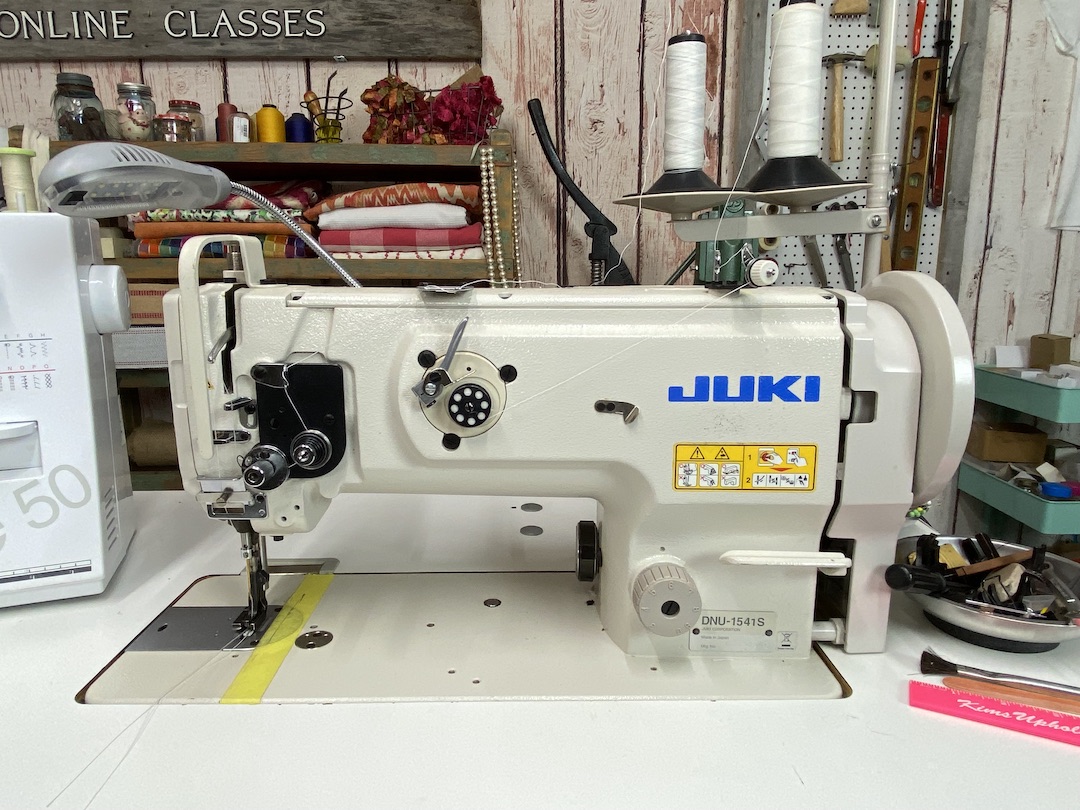
Credit: kimsupholstery.com
Key Features For Upholstery Sewing Machines
Choosing the right sewing machine for upholstery requires attention to specific features. Upholstery fabric is thick and tough. Machines must handle this heavy material with ease. This means the machine needs strength and precision.
These key features ensure smooth sewing and long-lasting results. They make the work easier and the finished product better. Understanding these features helps pick the best machine for upholstery projects.
Heavy-duty Motor And Durability
A strong motor is essential for sewing thick fabrics. It prevents the machine from slowing down or stalling. Heavy-duty motors provide consistent power. This allows sewing through multiple layers of fabric and foam.
Durability means the machine can last through tough jobs. Metal parts and solid construction improve machine life. Durable machines handle long hours of work without breaking down.
Needle Compatibility And Size
Upholstery fabrics need strong, large needles. The machine must accept heavy-duty needles like size 16 or 18. Compatibility with different needle types adds flexibility.
Using the right needle reduces breaks and skipped stitches. It also protects the fabric from damage. The machine should allow easy needle changes for various projects.
Stitch Options And Adjustability
Various stitch types help create strong seams and decorative details. Straight and zigzag stitches are common. Adjustable stitch length and width improve control.
Some machines offer reinforced stitches for extra strength. Being able to change stitch settings helps match fabric needs. Adjustable stitches improve seam durability and appearance.
Throat Space And Workspace
A large throat space is important for handling bulky upholstery pieces. It provides room to move fabric freely under the needle. A spacious workspace makes sewing large cushions or chairs easier.
This extra space reduces fabric bunching and helps keep stitches even. Machines with bigger work areas improve comfort and accuracy.
Presser Foot Pressure And Types
Adjustable presser foot pressure controls fabric feed. Higher pressure is needed for thick layers. Lower pressure works for lighter materials.
Different presser foot types assist in sewing various upholstery tasks. Walking feet and roller feet help move heavy fabrics smoothly. Having the right foot improves stitch quality and fabric handling.

Credit: www.youtube.com
Top Sewing Machines For Upholstery
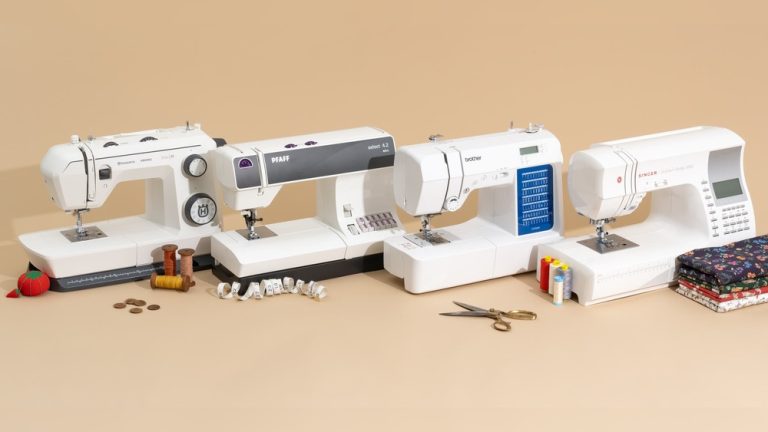
Choosing the right sewing machine is key for upholstery projects. Upholstery fabrics are thick and tough. They need machines that handle heavy material with ease. Here are the top sewing machines designed for upholstery work.
This guide highlights machines for different skill levels and budgets. Each machine offers unique features that suit specific needs. Find the perfect match for your upholstery tasks below.
Best Heavy-duty Machine
Heavy-duty machines handle thick fabrics like leather and canvas. They have strong motors and sturdy frames. These machines sew through multiple layers without breaking needles. They work well for large furniture projects. Look for models with high power and metal parts.
Best For Beginners
Beginners need simple and easy-to-use machines. These models have clear controls and basic stitches. They guide users through each step. Lightweight machines make moving fabric easier. Features like automatic needle threading help beginners start quickly.
Best For Professional Use
Professionals require machines with speed and precision. These models offer multiple stitch options and adjustable settings. They can sew quickly and handle long hours of work. Strong build quality ensures durability. Professionals benefit from machines with advanced features.
Best Budget-friendly Option
Budget machines provide good performance without high costs. They suit hobbyists and those new to upholstery. These machines include essential functions without extras. Many budget options still sew thick fabrics well. They offer great value for the price.
Best For Versatility
Versatile machines work on upholstery and other fabrics. They include various stitch patterns and adjustable pressure feet. These machines allow users to switch between light and heavy materials. Ideal for those who sew different projects. Versatile models combine power and flexibility.
Materials And Fabrics For Upholstery
Upholstery requires strong and durable fabrics. These materials must hold up to wear and tear over time. Choosing the right fabric affects your sewing machine choice. Some fabrics need special handling. Understanding fabric types helps you pick the best machine for upholstery projects.
Working With Leather And Vinyl
Leather and vinyl are common in upholstery. Both materials are tough and thick. Sewing these needs a machine with strong power. Leather can tear if the needle is wrong. Vinyl may stick to the machine’s foot. Use a walking foot to move fabrics smoothly. Keep stitches slow and steady to avoid damage.
Sewing Thick Fabrics And Layers
Upholstery often means sewing many fabric layers. Thick fabrics like canvas or denim need a machine that handles bulk. A heavy-duty machine is best. It has a stronger motor and metal parts. This helps push the needle through layers easily. Make sure your machine can sew through thick seams without jamming.
Choosing Appropriate Needles And Threads
Needles and threads must match your fabric. Use heavy-duty needles for thick materials. Leather needles have a sharp point for piercing tough hides. Use polyester or nylon thread for strength. Strong thread keeps seams from breaking. Change needles often to keep stitches clean and even. This protects both fabric and machine parts.
Tips For Sewing Upholstery Projects
Sewing upholstery requires special care and attention. Small mistakes can cause big problems. Follow these tips to make your projects easier and better. Proper preparation, stitch control, and problem-solving skills help you work smoothly.
Preparing Fabric And Machine Setup
Start by choosing the right fabric for your project. Upholstery fabric is thick and tough. Cut pieces carefully and leave extra seam allowance. Use sharp scissors or a rotary cutter for clean edges.
Set up your sewing machine with a heavy-duty needle. Size 16 or 18 needles work well for thick fabrics. Use strong polyester thread for durability. Adjust the machine tension to avoid loose or tight stitches. Test on fabric scraps before sewing your project.
Maintaining Consistent Stitch Quality
Keep your sewing speed steady. Too fast sewing can cause skipped stitches or uneven seams. Use a walking foot to help feed thick fabric evenly. Check your stitch length; longer stitches work better for heavy materials.
Hold fabric gently but firmly. Avoid stretching or pulling while sewing. This keeps seams smooth and flat. Pause to check stitches often. Fix any issues right away to save time.
Troubleshooting Common Issues
Skipped stitches often mean the needle is dull or wrong size. Replace the needle regularly. Thread bunching under fabric shows tension problems. Loosen or tighten tension to fix this. If fabric jams, clean the machine and remove lint.
Seams that pucker or ripple may need longer stitch length. Use pins or clips to hold fabric layers together. These small fixes keep your upholstery looking neat and strong.
Maintenance And Care For Upholstery Machines
Proper maintenance and care keep upholstery sewing machines working well. Regular upkeep prevents breakdowns and extends machine life. Clean parts, replace worn pieces, and store the machine correctly. These steps ensure smooth sewing and better project results.
Cleaning And Lubrication
Dust and fabric fibers can clog the machine. Use a soft brush or cloth to remove debris after every use. Avoid using water, as it can damage parts. Apply sewing machine oil to moving parts. This reduces friction and keeps the machine running smoothly. Follow the manufacturer’s instructions for oiling.
Replacing Needles And Parts
Upholstery fabric is thick and tough. Needles dull faster than with regular fabric. Change needles often to avoid skipped stitches and fabric damage. Use needles designed for heavy fabrics. Check belts, bobbins, and other parts regularly. Replace any worn or broken components immediately to prevent bigger problems.
Storage And Handling
Store the sewing machine in a dry, dust-free place. Cover it with a dust cover or cloth. Avoid placing heavy items on top of the machine. Handle the machine carefully during moves to prevent damage. Proper storage protects the machine and keeps it ready for use.

Credit: kimsupholstery.com
Frequently Asked Questions
What Features Should An Upholstery Sewing Machine Have?
An upholstery machine needs a strong motor, heavy-duty frame, and walking foot. These handle thick fabrics and multiple layers easily, ensuring smooth, even stitches without strain or damage.
Can A Regular Sewing Machine Handle Upholstery Projects?
Regular machines often struggle with thick materials. Upholstery requires specialized machines designed for heavy fabrics, multiple layers, and strong threads to avoid skipped stitches and needle breakage.
Which Sewing Machine Brands Are Best For Upholstery?
Brands like Juki, Janome, and Consew are top choices. They offer industrial-grade strength, durability, and features tailored for heavy-duty upholstery work.
What Needle Type Is Best For Upholstery Sewing?
Use heavy-duty, sharp needles like size 16/100 or 18/110. These needles penetrate thick fabrics and multiple layers without bending or breaking.
Conclusion
Choosing the right sewing machine for upholstery makes your work easier. Strong needles and powerful motors handle thick fabrics well. Machines with adjustable settings give you more control. Look for models with sturdy construction for long use. A good machine saves time and improves results.
Think about what projects you want to do. The best sewing machine fits your needs and budget. Take time to compare features before deciding. This way, you get a machine that lasts and works well. Sewing upholstery becomes more enjoyable and less stressful.