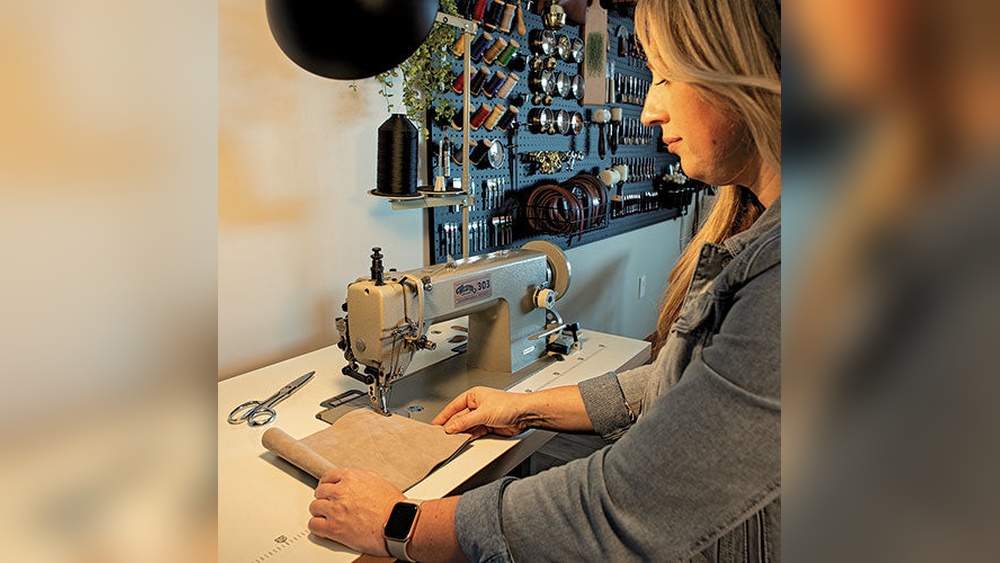
What Sewing Machine is Best for Leather: Top Picks Revealed
Are you ready to take your leather projects to the next level? Choosing the right sewing machine can make all the difference between a frustrating experience and smooth, professional results.
Whether you’re crafting a leather bag, wallet, or jacket, the best sewing machine for leather will handle tough materials without breaking a sweat. You’ll discover which machines deliver power, precision, and durability—so you can create beautiful leather goods with confidence.
Keep reading, and find the perfect match for your leather sewing needs.
Factors To Consider For Leather Sewing Machines
Sewing leather requires a special machine built to handle tough material. Not all sewing machines work well with leather. Choosing the right one means knowing what features matter most. This helps you find a machine that lasts and sews smoothly.
Consider several factors carefully. These affect how well the machine sews leather and your overall experience. The right machine saves time and effort while giving strong, clean stitches.
Durability And Power
Leather is thick and hard to sew. The machine must be strong and durable. Look for models with metal parts and a powerful motor. A strong motor pushes needles through leather easily. This reduces the chance of the machine jamming or breaking.
Needle And Thread Compatibility
Leather needs special needles and thick thread. Check if the machine supports leather needles. It should handle heavy-duty thread without issues. Proper needle and thread use prevents skipped stitches and damage to leather.
Stitch Options And Adjustability
Leather sewing needs strong, tight stitches. The machine should offer different stitch types and lengths. Adjustable stitch length helps control the strength of seams. Some machines allow adjusting presser foot pressure, which helps feed leather smoothly.
Ease Of Use And Maintenance
Leather sewing can be tricky. A user-friendly machine reduces frustration. Controls should be simple and easy to reach. Maintenance should be straightforward, with clear instructions. Machines that are easy to clean last longer and work better.
Budget And Value
Leather machines can be expensive. Find one that fits your budget but still meets key needs. A good machine lasts years and saves money on repairs. Balance cost with features to get the best value for your money.

Credit: www.weaverleathersupply.com
Top Sewing Machines For Leather
Choosing the right sewing machine for leather can make a big difference. Leather is thick and tough. Not all machines handle it well. Some machines work better for heavy leather. Others suit thin or soft leather. Knowing the best types helps. It saves time and effort. Here are top sewing machine options for leather work.
Heavy-duty Mechanical Machines
Mechanical machines are strong and simple. They use fewer electronics. This makes them reliable for thick leather. They can sew through many layers without trouble. These machines often have metal parts. That adds to their durability. You can control the speed easily. They are perfect for long leather projects. These machines last for years with care.
High-end Electronic Models
Electronic machines offer precision and power. They have many stitch options. Some have automatic tension settings. This helps sew leather smoothly. They work well with medium to heavy leather. These models save effort with features like needle up/down control. They are good for detailed leather work. These machines suit users who want control and speed.
Portable And Compact Options
Portable machines are light and easy to move. They are great for small leather crafts. These machines fit in tight spaces. They handle thin to medium leather well. Perfect for hobbyists or quick fixes. Some come with carrying cases. They offer convenience without big size. Ideal for leather projects on the go.
Specialized Leather Sewing Machines
These machines are built just for leather. They have strong motors and sharp needles. Special feed dogs grip leather firmly. These machines handle very thick leather layers. They provide consistent stitch quality on tough materials. Used by professionals and serious hobbyists. They often cost more but deliver top results. Best for heavy leather goods like bags and belts.
Comparing Features Of Leading Models
Choosing the right sewing machine for leather means knowing which features matter most. Different models offer various strengths and tools. Understanding these can help pick a machine that works well with tough materials like leather. Let’s look at the key features of top machines for leather sewing.
Motor Strength And Speed
Leather is thick and hard to sew. A strong motor helps push the needle through layers easily. Machines with higher motor power handle leather better. Speed control is important too. Slower speeds allow more control and cleaner stitches. Some machines offer adjustable speed settings for precise work on leather.
Presser Foot Types
The presser foot holds leather in place while sewing. Special feet designed for leather prevent slipping and damage. Walking feet or roller feet work well on leather surfaces. Some machines come with multiple presser foot options. Choosing a machine with the right feet improves sewing comfort and results.
Stitch Quality And Consistency
Good stitch quality means neat and strong seams. Leather needs consistent stitches to avoid holes or tears. Machines with even stitch length and tension control provide better results. Look for models that maintain stitch quality even on thick leather. This helps create durable leather products.
Additional Accessories
Extra accessories can make leather sewing easier. Items like leather needles, extra bobbins, and thread guides are helpful. Some machines include these in the package. Having the right tools ready saves time and improves work quality. Check what accessories come with the machine before buying.

Credit: www.youtube.com
Tips For Sewing Leather Successfully
Sewing leather can be tricky. It needs special care to avoid mistakes. Using the right tools and techniques makes a big difference. This section shares tips for sewing leather successfully. Follow these steps for smooth, clean stitches on your leather projects.
Choosing The Right Needle And Thread
Leather needs strong needles. Use a leather needle with a sharp, wedge-shaped point. This needle cuts through leather without tearing it. Pick heavy-duty thread like polyester or nylon. These threads hold leather pieces tightly together. Avoid regular sewing thread. It can break or wear out fast.
Adjusting Machine Settings
Leather is thick and stiff. Change your sewing machine settings for better results. Use a longer stitch length, about 3 to 4 mm. Short stitches can damage leather. Lower the presser foot pressure to avoid marks. Test stitches on scrap leather before sewing your project.
Handling Thick Or Multiple Layers
Leather layers can be hard to sew. Use a walking foot or Teflon foot for smooth feeding. Sew slowly and guide the leather gently. Avoid pulling or pushing the fabric. This keeps stitches even and straight. Use clips instead of pins to hold layers together.
Preventing Leather Damage
Leather can get scratched or marked easily. Always test needles and threads on scrap leather. Keep your machine clean and free of lint. Avoid ironing leather. Use a leather conditioner after sewing to keep it soft. Handle leather with clean hands to prevent stains.
Where To Buy And Warranty Considerations
Choosing the right place to buy your sewing machine for leather is important. It affects the price, warranty, and support you get. Knowing where to shop and understanding warranty details helps you make a smart purchase. This section covers key points about buying and warranty considerations.
Authorized Dealers Vs Online Retailers
Authorized dealers sell machines with full brand support. They offer in-person advice and often free demonstrations. You can test the machine before buying. Online retailers usually have lower prices. They offer convenience and a wide selection. But, some may not provide proper warranty services. Buying from an authorized dealer reduces risk. You get genuine products and better after-sales help.
Warranty Coverage And Service
Check the warranty length and what it covers. Good warranties cover parts and labor for at least one year. Some brands offer longer coverage for motors or electronics. Service options matter. Authorized dealers may provide free repairs or quick replacements. Online purchases might require shipping the machine for service. Know if warranty repairs cost extra. A strong warranty saves money on future repairs.
Return Policies And Customer Support
Return policies vary by seller. Authorized dealers often have flexible return terms. You can return or exchange machines if not satisfied. Online stores may have strict rules or restocking fees. Customer support quality matters. Dealers usually offer direct phone or in-store help. Online retailers provide email or chat support. Clear and helpful customer service ensures smooth problem resolution.

Credit: www.youtube.com
Frequently Asked Questions
What Features Should A Sewing Machine Have For Leather?
A leather sewing machine needs a powerful motor and strong needles. It should support thick thread and have adjustable presser foot pressure. A walking foot or roller foot is ideal for smooth leather feeding. Durability and stitch consistency are also essential for professional results.
Can A Regular Sewing Machine Handle Leather?
Most regular sewing machines struggle with leather due to its thickness. Heavy-duty or industrial models work better. They offer stronger motors, specialized needles, and better feed mechanisms. Using the right machine prevents needle breakage and uneven stitches on leather projects.
Which Needle Type Is Best For Sewing Leather?
Leather needles with a sharp, wedge-shaped point are best. They pierce leather cleanly without damaging it. Standard needles can cause skipped stitches or tear the material. Use needle sizes between 90/14 and 110/18 depending on leather thickness.
Is A Walking Foot Necessary For Leather Sewing?
A walking foot helps feed thick leather evenly through the machine. It prevents slippage and puckering during stitching. While not mandatory, it greatly improves stitch quality and ease of sewing heavier leather pieces. It’s highly recommended for leather projects.
Conclusion
Choosing the right sewing machine for leather makes a big difference. Strong needles and powerful motors handle thick materials well. Stitches stay even and tight, giving your projects a neat look. Affordable options are available for beginners and experts alike.
Focus on features that match your needs and budget. A good machine helps you work faster and with less frustration. Take your time to compare models before buying. Your leather projects will thank you.