Best Sewing Machine for Hemming: Expert Selection Guide
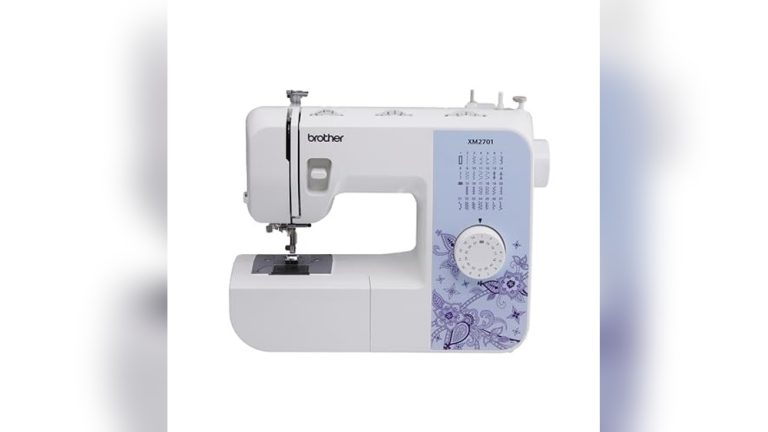
A mechanical sewing machine with a dedicated blind hem stitch is the best sewing machine for hemming because it offers the precision needed for consistent fabric folding without requiring complex digital menus. If you work primarily with heavy denim or thick curtains, you should choose an industrial-grade machine instead. This choice depends on the material thickness, as home machines often struggle to pierce multiple layers of heavy fabric, which can break the needle or damage the internal timing.
The options compared

Selecting the right tool depends on your specific fabric needs and the volume of work you plan to complete.
| Method | How long | Effort | Cost | Best for |
|---|---|---|---|---|
| Mechanical Machine | 10-15 mins | Low | Low | Everyday repairs |
| Computerized Machine | 5-10 mins | Very Low | Medium | Decorative hems |
| Industrial Machine | 2-5 mins | Moderate | High | Heavy-duty work |
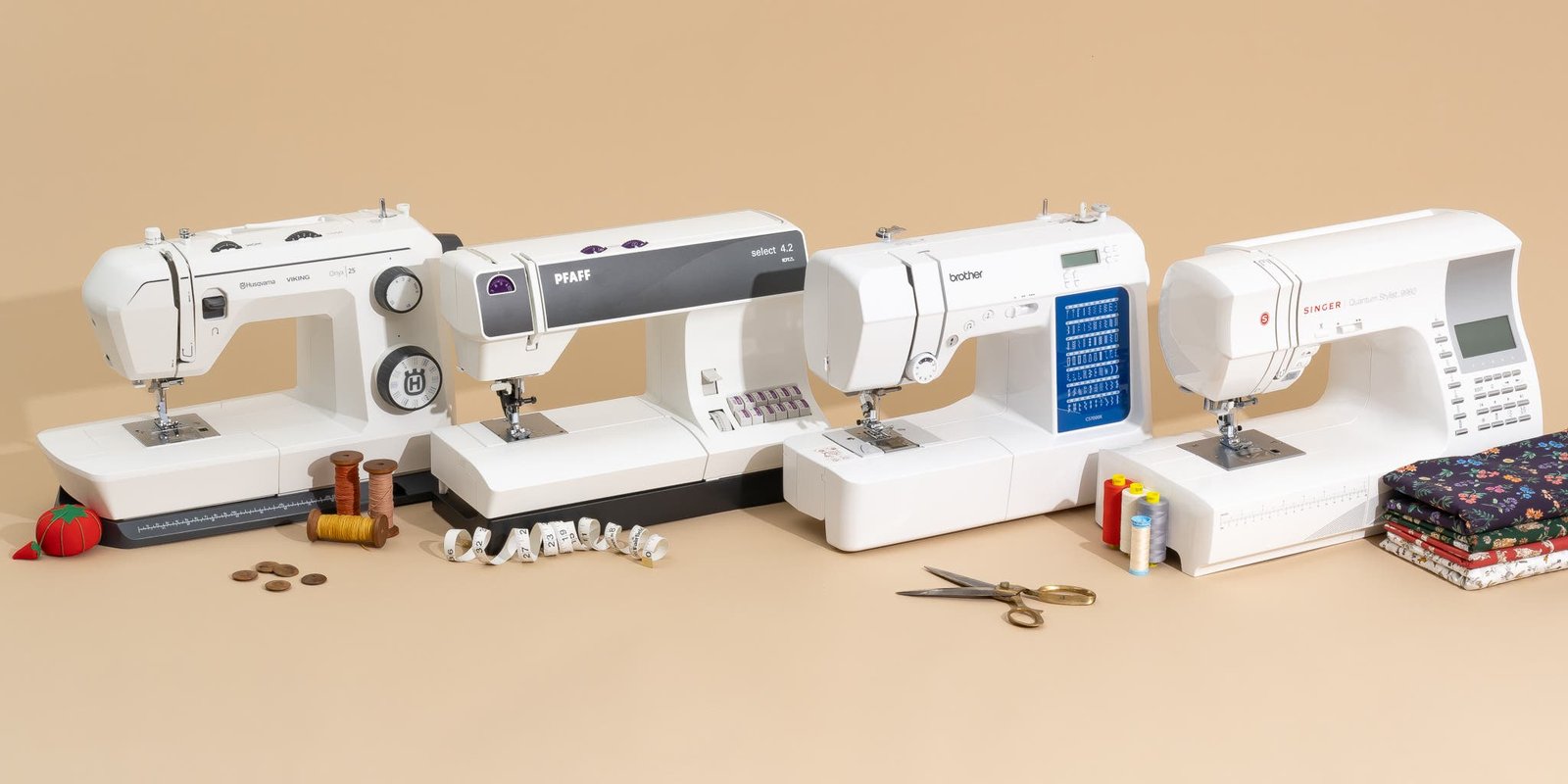
Mechanical machines are perfect for beginners who want reliability, while computerized models offer automated features that save time on complex patterns. Industrial machines are built for speed and power, but they require a permanent space and aren’t portable. If you choose a computerized model, ensure it has a robust motor, as some entry-level digital machines lack the torque to handle thick denim hems.
Using a mechanical sewing machine
This method is the standard for most household repairs because it’s simple and durable.
- Set your machine to the “blind hem” stitch setting, usually marked with a dashed line on the dial.
- Fold your fabric edge twice to the desired length and press it flat with a hot iron to create a sharp crease.
- Align the folded edge under the pressure foot, ensuring the needle swings into the fold on every fourth or fifth stitch.
- Sew slowly, keeping the fabric edge flush against the guide to ensure the line remains straight.
This setup is excellent for lightweight cottons and linens, as the mechanical action provides a steady, rhythmic feed. A major mistake users make is using the wrong needle size; for standard cotton, a size 80/12 needle is sufficient, but you must switch to a 100/16 needle for heavier fabrics to prevent skipping stitches. This method isn’t for leather or heavy upholstery, as the motor will likely stall.
Utilizing computerized automation
Computerized machines simplify the process by handling the tension and stitch width automatically.
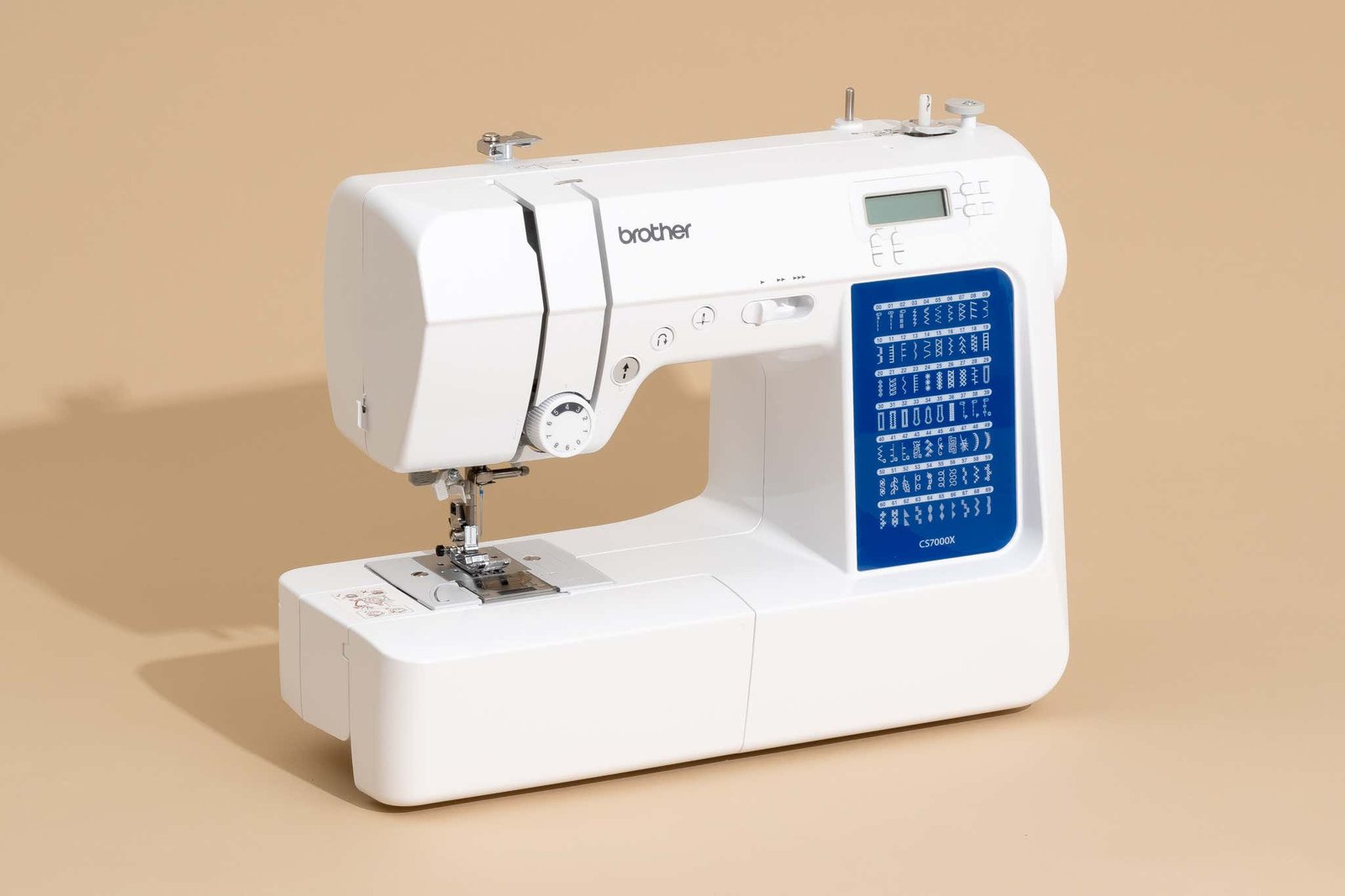
- Select the blind hem stitch option on the digital screen, which automatically adjusts the width and length settings.
- Place the fabric under the foot and use the “needle down” button to secure the start of your hem.
- Press the start button, allowing the machine to feed the fabric at a constant, controlled speed.
- Use the automatic thread cutter once you reach the end to finish the hem cleanly.
One trade-off is the cost of repair; if the circuit board fails, it often costs more to fix than a mechanical model. This isn’t for people who prefer tactile control, as the electronic sensors can sometimes override manual speed preferences.
Operating heavy-duty industrial units

Industrial machines are purpose-built for high-volume tasks and thick materials like canvas or leather.
- Ensure the machine is threaded correctly for a straight stitch, as these machines typically don’t have decorative patterns.
- Adjust the stitch length dial to a longer setting, usually 3mm to 4mm, to prevent the fabric from bunching.
- Guide the fabric firmly, as the feed dogs are much stronger than those on home machines and will pull the material through quickly.
- Use the knee lifter to raise the presser foot, leaving both hands free to align the heavy fabric layers perfectly.
These machines excel at handling thick seams that would break a home machine. A common mistake is failing to oil the machine regularly; if you don’t add a drop of sewing machine oil to the hook assembly every 8 hours of use, the metal parts will overheat and seize. This isn’t for beginners who are intimidated by high speeds and heavy, non-portable equipment.
The best sewing machine for hemming
If you’re in a hurry, use a computerized machine because the automated settings remove the need for manual testing and adjustment. If you’re doing this for the first time, a mechanical sewing machine is your best choice, as the simple controls make it easier to learn the basics without getting overwhelmed by menus. If you want the best possible result regardless of cost or space, an industrial machine provides superior stitch quality and speed that home models simply can’t match. The core trade-off remains between the ease of digital automation and the raw power of mechanical components. If your machine’s manual suggests specific maintenance intervals, follow those strictly, as this varies by model — check the label.
The rules that apply whichever way you choose
Regardless of the machine you use, you must always press your fabric before you begin. A crisp crease is the foundation of a professional-looking hem, and without it, your fabric will shift during stitching. Always test your settings on a scrap piece of the same fabric first to ensure the tension is correct. If you see the thread looping on the bottom, your top tension is too loose; if it puckers, it’s too tight.
Check your bobbin levels every few minutes, as running out of thread in the middle of a hem creates an uneven finish that’s difficult to repair. When you reach the end of a hem, always backstitch for three stitches to lock the seam, unless your machine has an automatic knotting function. Operating high-speed industrial equipment carries a risk of injury to fingers, so keep hands away from the needle area at all times; if you need technical repairs or internal wiring work, contact a certified technician, as a capacitor can hold a lethal charge even when the machine is unplugged.
Frequently asked questions
Can I hem heavy denim with a standard home machine?
No, most standard home machines lack the motor power to pierce multiple layers of thick denim. You can try using a denim-specific needle, but if the machine struggles or makes a grinding sound, stop immediately. Attempting to force heavy fabric through a light-duty machine will damage the internal timing, leading to costly repairs. Use a heavy-duty or industrial machine for these materials to ensure the needle clears the fabric safely.
How long should a hem take on average?
This assumes you have already pressed the fabric and have the correct thread loaded. The speed depends on your experience level and the complexity of the fabric, but rushing often leads to crooked lines and skipped stitches.
Is it safe to leave my sewing machine plugged in?
No, it isn’t safe to leave your machine plugged in when it isn’t in use. Always switch off the power and unplug the machine to prevent accidental activation or electrical hazards. If your machine has a computerized screen, leaving it plugged in during a power surge can damage the sensitive circuit board. Following this simple rule protects both your safety and the longevity of your equipment’s electronic components.
What happens if I use the wrong needle size?
Using the wrong needle size will cause skipped stitches, thread breakage, or holes in your fabric. A needle that’s too small for heavy fabric will bend or snap, while a needle that’s too large for light fabric will leave visible puncture marks. Always check the fabric weight against the needle packaging, which lists the recommended size for various materials, such as 70/10 for silk and 100/16 for denim.
Why is my machine skipping stitches?
Skipped stitches usually happen because the needle is dull, the thread is poor quality, or the needle isn’t inserted correctly. First, replace your needle with a fresh one, as a dull point can’t penetrate the fabric layers cleanly. If the problem persists, re-thread the entire machine, ensuring the thread passes through all tension discs correctly. If you still see gaps in your hem, the machine may need professional timing adjustments.
Final Thoughts
Finding the right tool makes your projects look professional, but your technique matters just as much. Once you’ve picked your machine, practice your stitches on a scrap piece of fabric first. You’ll feel more confident when it’s time to finish that final hem, and you won’t have to worry about any mistakes.
{“@context”:”https://schema.org”,”@type”:”FAQPage”,”mainEntity”:[{“@type”:”Question”,”name”:”Can I hem heavy denim with a standard home machine?”,”acceptedAnswer”:{“@type”:”Answer”,”text”:”No, most standard home machines lack the motor power to pierce multiple layers of thick denim . You can try using a denim-specific needle, but if the machine struggles or makes a grinding sound, stop immediately. Attempting to force heavy fabric through a light-duty machine will damage the internal timing, leading to costly repairs. Use a heavy-duty or industrial machine for these materials to ensure the needle clears the fabric safely.”}},{“@type”:”Question”,”name”:”How long should a hem take on average?”,”acceptedAnswer”:{“@type”:”Answer”,”text”:”This assumes you have already pressed the fabric and have the correct thread loaded. The speed depends on your experience level and the complexity of the fabric, but rushing often leads to crooked lines and skipped stitches.”}},{“@type”:”Question”,”name”:”Is it safe to leave my sewing machine plugged in?”,”acceptedAnswer”:{“@type”:”Answer”,”text”:”No, it isn’t safe to leave your machine plugged in when it isn’t in use. Always switch off the power and unplug the machine to prevent accidental activation or electrical hazards. If your machine has a computerized screen, leaving it plugged in during a power surge can damage the sensitive circuit board. Following this simple rule protects both your safety and the longevity of your equipment’s electronic components.”}},{“@type”:”Question”,”name”:”What happens if I use the wrong needle size?”,”acceptedAnswer”:{“@type”:”Answer”,”text”:”Using the wrong needle size will cause skipped stitches, thread breakage, or holes in your fabric. A needle that’s too small for heavy fabric will bend or snap, while a needle that’s too large for light fabric will leave visible puncture marks. Always check the fabric weight against the needle packaging, which lists the recommended size for various materials, such as 70/10 for silk and 100/16 for denim.”}},{“@type”:”Question”,”name”:”Why is my machine skipping stitches?”,”acceptedAnswer”:{“@type”:”Answer”,”text”:”Skipped stitches usually happen because the needle is dull, the thread is poor quality, or the needle isn’t inserted correctly. First, replace your needle with a fresh one, as a dull point can’t penetrate the fabric layers cleanly. If the problem persists, re-thread the entire machine, ensuring the thread passes through all tension discs correctly. If you still see gaps in your hem, the machine may need professional timing adjustments.”}}]}