Best Sewing Machine for Quilting Beginners: Janome 6700P Review
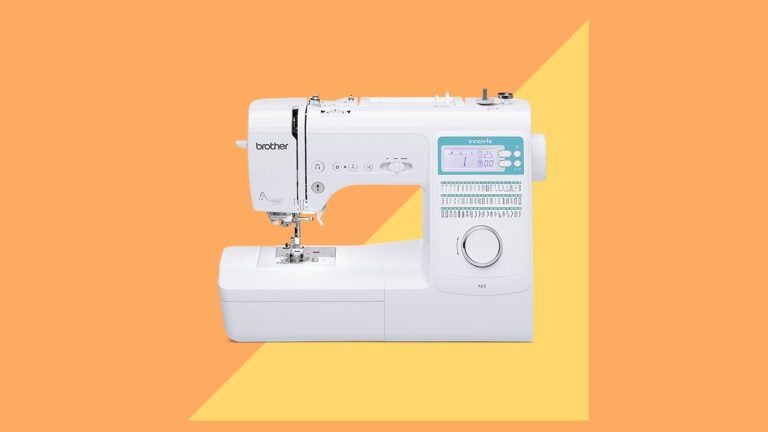
The Janome Memory Craft 6700P is the best sewing machine for quilting beginners because it offers a large workspace and the stability needed for heavy fabric layers. It handles thick batting and multiple quilt layers without skipping stitches, which is a common failure point for cheaper models. This guide covers how to choose your first machine and the specific features that actually matter when you start your first project.
The Best Sewing Machine for Quilting Beginners
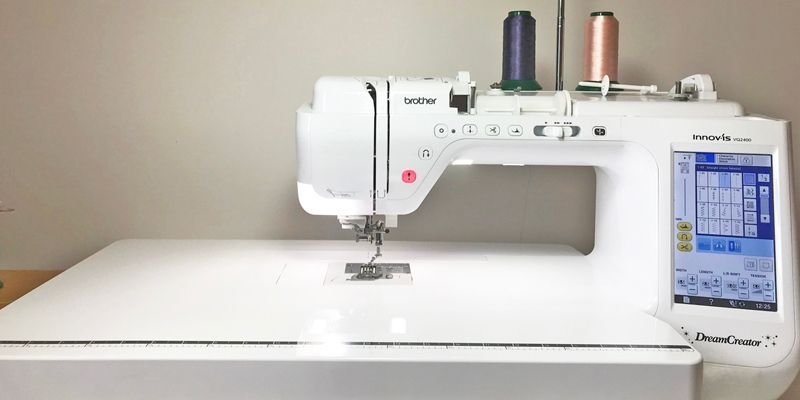
Quilting is different from garment sewing because you’re pushing heavy, bulky layers of fabric through the machine. You don’t just need a needle and thread; you need a machine with a high “throat space,” which is the distance between the needle and the main body of the machine. Beginners often make the mistake of buying a lightweight, portable machine designed for simple repairs. These machines struggle to move a queen-sized quilt, leading to puckered seams and frustration.
A machine for quilting should be sturdy. If you’re choosing between a plastic-heavy entry model and a metal-frame machine, choose the metal frame. It will stay in place when you’re free-motion quilting. Keep in mind that features like an automatic thread cutter are convenient, but they aren’t strictly necessary for your first project. The most important feature is a “walking foot” or “even feed foot,” which helps move the top and bottom layers of fabric at the same speed. This prevents the layers from shifting while you sew long, straight lines. Always check if your chosen model includes this foot, as buying it separately can be an unexpected cost.
The basic method
- Set up your machine on a flat, stable table. A wobbly surface makes it impossible to keep your quilt lines straight.
- Install a fresh size 90/14 needle. This size is strong enough to pierce through two layers of cotton and a layer of batting without bending.
- Attach your walking foot. This foot has a lever that attaches to the needle clamp; ensure it’s secure so the mechanism moves in sync with the needle.
- Wind your bobbin with high-quality polyester thread. Use the same thread in the bobbin and the needle to keep your tension balanced.
- Set your stitch length to 2.5 or 3.0 millimeters. Long stitches are better for quilting because they hold the thick layers together better than tight, small stitches.
- Test your settings on a “quilt sandwich”—two scraps of fabric with batting in the middle. If the top fabric bunches up, tighten your top tension dial by one half-step.
- Place the quilt under the needle, leaving at least 6 inches of thread tail behind. Lower the presser foot and hold the threads for the first three stitches to prevent a knot.
The judgement call is your speed. If you go too fast, you lose control; if you go too slow, your stitches may vary in size. Maintain a steady, moderate pace and let the feed dogs do the work of pulling the fabric through. If you need professional training or specific safety guidance on machine maintenance, check the Janome machine manual provided by the manufacturer for your specific model.
Key numbers and settings at a glance
These settings assume you’re working with standard cotton quilting fabric and medium-loft polyester batting.
| Situation | What to use | How long | What to watch for |
|---|---|---|---|
| Piecing blocks | Straight stitch | 2.0 mm length | Even 1/4 inch seam |
| Quilting layers | Walking foot | 3.0 mm length | Fabric bunching |
| Heavy batting | 90/14 needle | Moderate speed | Skipped stitches |
| Binding edges | Zigzag stitch | 2.5 mm length | Needle hitting foot |
| Free motion | Darning foot | Your pace | Uneven stitch size |
What separates good results from bad ones
Experienced quilters prioritize preparation over speed. Before they start, they square up their fabric blocks and press every seam flat. If you skip the pressing step, your quilt top will be wavy, and it will never lay flat on your bed. The order of operations is also vital: always press your seams toward the darker fabric to prevent the seam allowance from showing through the lighter quilt top.
Partway through your project, check your bobbin thread. A mistake many beginners make is sewing until the bobbin is completely empty, which can cause a messy “bird’s nest” of thread on the underside of your quilt. Check the bobbin every time you finish a block. If you’re free-motion quilting, you must lower or cover the feed dogs so you can move the fabric in any direction. This is a manual setting that varies by model—check the label on your machine or the manual to see if you need a cover plate or a simple dial switch.
Common problems and quick fixes

| What you notice | What it usually means | What to do first |
|---|---|---|
| Loops on the bottom | Tension is too loose | Tighten top tension |
| Needle breaking | Needle is bent/dull | Replace with new needle |
| Fabric not moving | Feed dogs are down | Raise feed dogs |
| Thread jamming | Improper threading | Re-thread the machine |
Rules for safe operation
Always unplug your machine before changing needles or cleaning the bobbin area to prevent accidental activation. Never attempt to repair internal electrical components yourself. If the motor smells like burning rubber, or if the foot pedal stops responding, take the machine to an authorized service center. Internal housing removal should be left to trained technicians to avoid electrical shock or damage to the machine. Keep your fingers at least two inches away from the needle at all times. If you have children, keep the power cord away from edges to prevent the machine from being pulled off the table.
Keeping it working afterwards
Clean your machine after every project to keep it running smoothly. Use a soft brush to remove lint from the bobbin case and the area around the feed dogs. Never use canned air, as it pushes dust deeper into the internal gears where it can cause long-term damage. If your machine uses a metal shuttle, apply one drop of sewing machine oil as part of your usual clean; check your manual to see if your model requires oil or if it is “self-lubricating.” When storing your machine, cover it with a dust cover to prevent debris from settling in the motor. If you notice a “clunking” sound or if the stitch quality becomes uneven despite a fresh needle, it’s time for a professional cleaning.
When to use a different approach
This approach isn’t for you if you plan to quilt very thick, industrial-grade materials like heavy canvas or leather. Those materials require a heavy-duty industrial walking-foot machine. If you only plan to quilt small items like coasters or placemats, you don’t need a large-throat machine and can save space with a standard domestic model. Finally, if you’re interested in computerized embroidery, don’t buy a basic quilting machine. You’ll need a machine with a built-in embroidery module and a hoop system, which is a different category of equipment entirely.
Frequently asked questions

Can beginners learn to quilt on a basic machine?
Yes, you can learn to quilt on any machine that performs a straight stitch. The main difference is that larger, specialized machines make the process easier by providing more space for your fabric to move.
How long does a quilting machine last?
A high-quality machine will last as it ages if you clean it regularly and have it serviced by a professional. This varies by model—check the label for the manufacturer’s recommended service interval.
Is it safe to leave my sewing machine plugged in?
No, you should always unplug your machine when you aren’t using it to prevent electrical fires or accidental starts. This is a standard safety recommendation for all home sewing equipment.
Why does my thread keep breaking?
Your thread usually breaks because of an incorrect tension setting or an old, blunt needle. Check that your thread is threaded correctly through all guides and replace your needle with a fresh one before trying again.
What happens if I use the wrong needle size?
Using the wrong needle size can lead to skipped stitches or fabric damage. A needle that’s too thin will bend under the weight of quilt batting, while a needle that’s too thick will leave visible holes in your fabric.
Final Thoughts
Choosing the right tool is just the start of your creative journey. Once you’ve picked a machine that feels comfortable, don’t be afraid to dive into your first small project. You’ll learn so much more by sewing a simple patchwork square than you ever could by just reading about it.
Related guides
- Janome Sewing Machine for Beginners: Easy Start!
- Best Rated Sewing Machine for Quilting: The Janome 6700P Review
- Best Janome Sewing Machines for Beginners: Top Easy-to-Use Picks