How Sewing Machine Works Diagram: Ultimate Visual Guide Explained
Have you ever wondered what makes your sewing machine tick? Understanding how a sewing machine works can help you use it better, fix small problems, and even get creative with your projects.
You’ll find a clear, easy-to-follow diagram that shows each part of your machine and how they work together. By the end, you’ll see your sewing machine in a whole new light—and feel more confident every time you sit down to sew.
Keep reading, and unlock the secrets behind your machine’s smooth stitches!
Sewing Machine Basics
A sewing machine helps join fabric pieces with thread. It makes stitching faster and neater than hand sewing. Understanding its basic parts and types helps you use it better.
Each machine works by moving a needle up and down. The thread loops through fabric to create stitches. Learning how this happens can improve your sewing skills.
Main Components
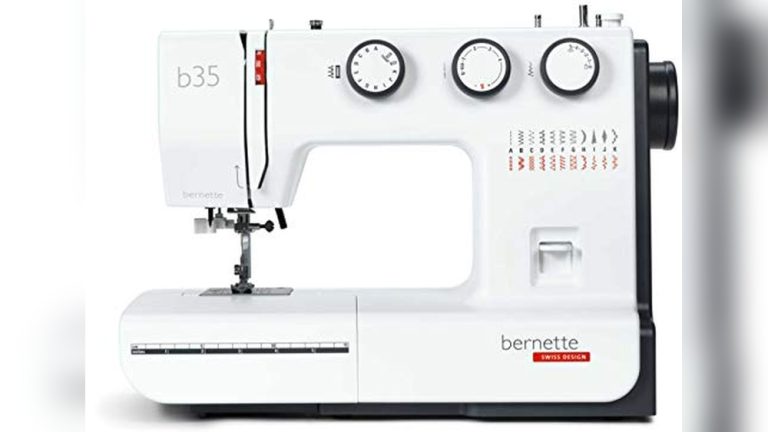
The needle moves up and down to sew fabric. The presser foot holds fabric steady while sewing. The feed dogs pull fabric through the machine.
The bobbin holds the lower thread under the fabric. The handwheel controls needle movement manually. The tension dial adjusts thread tightness for clean stitches.
Types Of Sewing Machines
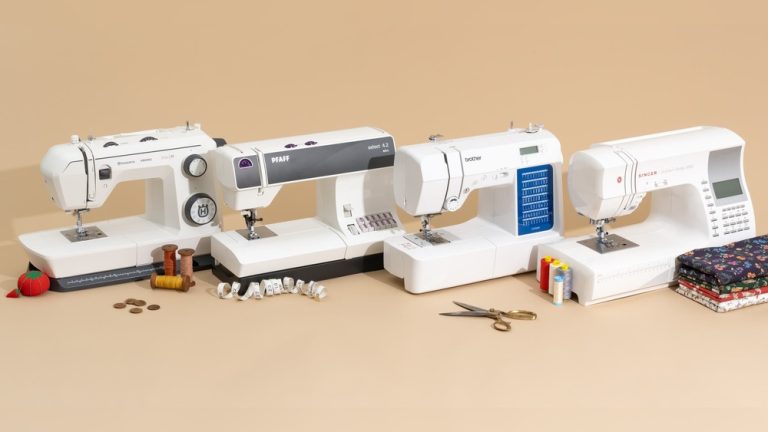
Mechanical machines use knobs and levers for settings. They are simple and good for basic sewing tasks.
Electronic machines have buttons and screens for stitch selection. They offer more stitch options and easier control.
Computerized machines include automatic features like needle threading. They help with complex sewing projects and designs.

Credit: www.leoneeyewear.com
Needle Mechanism
The needle mechanism is a key part of a sewing machine. It drives the needle up and down to stitch fabric together. This mechanism works with the thread to create strong and neat stitches. Understanding this part helps you know how your machine sews.
Needle Movement
The needle moves in a straight, vertical motion. It pushes the needle through the fabric to form a loop with the thread. The machine’s motor controls this movement. Each time the needle goes down, it picks up the bobbin thread below. This action locks the two threads together, making a stitch.
The needle must move smoothly and at the right speed. Too fast or slow can cause skipped stitches. The design of the needle mechanism ensures steady and precise motion for clean sewing.
Threading Process
Threading the needle is simple but important. The thread passes through small guides and tension discs. These parts keep the thread tight and steady. Then, the thread goes through the eye of the needle from front to back.
Correct threading stops thread tangles and breaks. It helps the needle pull the thread smoothly through fabric. Good threading also keeps your sewing machine running without problems.
Bobbin System
The bobbin system is a key part of a sewing machine. It holds the lower thread that works with the upper thread to create stitches. This system helps form strong and even stitches on fabric. Understanding how it works makes sewing easier and helps fix common problems.
Bobbin Placement
The bobbin sits in a small case below the needle plate. It must be placed correctly to work well. Insert the bobbin with the thread winding in the right direction. This ensures the thread feeds smoothly during sewing. A wrong placement can cause thread jams or uneven stitches.
Thread Tension Control
Thread tension control adjusts the tightness of the bobbin thread. It works with the upper thread tension to balance stitch quality. Proper tension prevents loose loops or tight puckers on fabric. You can change tension by turning a small dial near the bobbin case. Correct tension keeps stitches neat and strong.
Feed Dogs Function
The feed dogs are small, metal teeth located under the sewing machine’s needle plate. Their job is to move the fabric forward or backward while sewing. They work by rising through slots in the needle plate, gripping the fabric, and pulling it along. This movement helps create even stitches and keeps the fabric steady during sewing.
Fabric Movement
Feed dogs control the fabric’s movement precisely. They push the fabric a little after each stitch. This action ensures consistent stitch length and smooth sewing. Without feed dogs, fabric would not move evenly. The fabric might bunch up or slip, causing messy stitches.
Adjusting Feed Dogs
Some sewing machines let you adjust the feed dogs’ height or turn them off. Lowering them can help when doing free-motion sewing or embroidery. Turning off feed dogs allows you to move the fabric by hand. Adjusting feed dogs can improve sewing control for different projects.
Stitch Formation
The stitch formation is the heart of any sewing machine. It is the process that joins fabric pieces together. Understanding how stitches form helps you use the machine better. Different stitches serve different purposes. Each stitch type affects the fabric and the final look.
Lockstitch Process
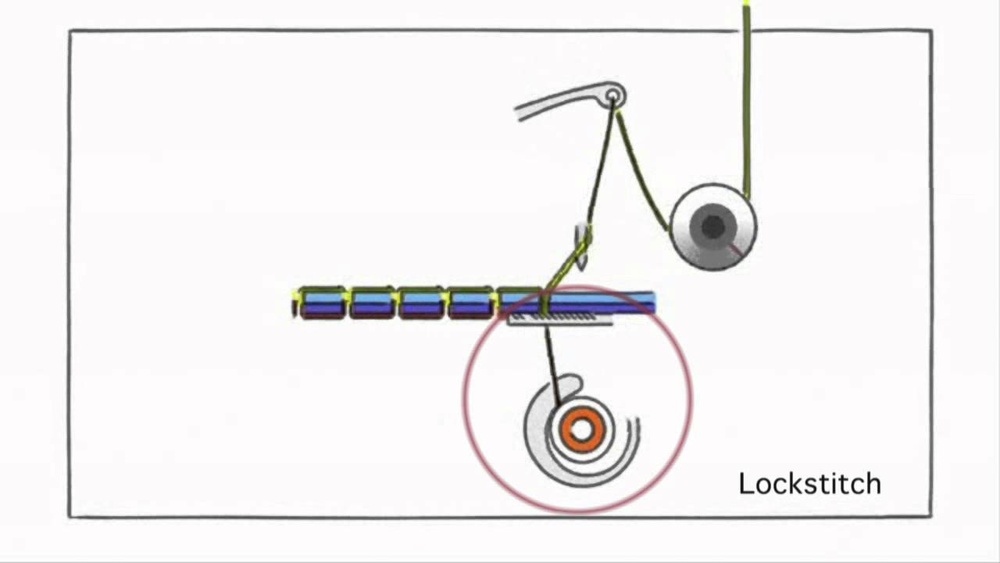
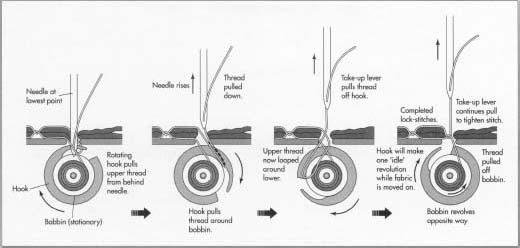
The lockstitch is the most common stitch type. It uses two threads: one from the needle and one from the bobbin. The needle thread passes through the fabric and catches the bobbin thread below. Both threads loop together to create a secure stitch. The fabric moves forward as the machine repeats this step. This stitch is strong and works well for most fabrics.
Alternative Stitch Types
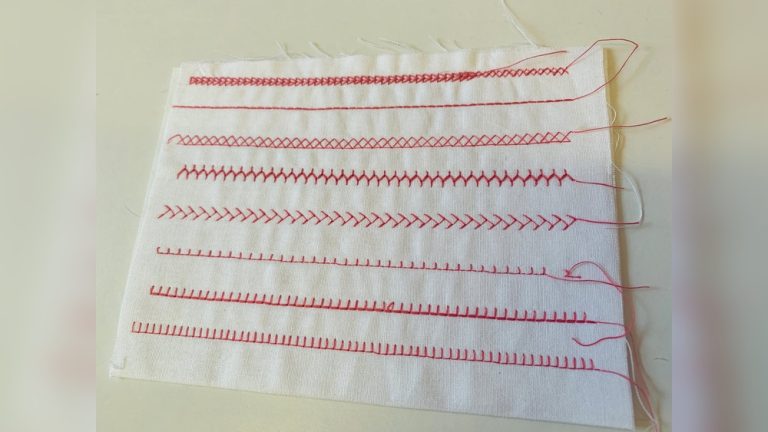
Some sewing machines offer other stitch types beyond lockstitch. Zigzag stitches create wider, stretchable seams. They are good for knit fabrics and finishing edges. Overlock stitches trim fabric edges and sew at the same time. Decorative stitches add style to sewing projects. Each type uses different thread movements and needle actions. Choosing the right stitch depends on the project and fabric type.
Motor And Power
The motor and power system is the heart of a sewing machine. It drives the needle and moves fabric smoothly. Understanding this part helps you see how the machine works.
The motor controls the speed and strength of stitching. Power comes from electricity or manual effort. Both types have benefits for different users.
Electric Motor Role
The electric motor makes the needle move up and down fast. It saves time and effort for the user. Most modern machines use this motor for steady stitching.
The motor gets power from a plug or batteries. It controls speed with a foot pedal. Press harder to sew faster, release to slow down.
This setup allows precise control over sewing. The motor also drives the feed dogs that pull fabric under the needle. This keeps stitches even and strong.
Manual Operation Options
Some sewing machines work without electricity. They use a hand crank or foot treadle instead. This is useful where no power supply exists.
Manual machines give full control over speed. The user turns the wheel or pedal to move the needle. It requires more effort but can be very reliable.
These machines often have simpler parts. They last longer and need less repair. Manual operation keeps sewing possible anywhere, anytime.
Troubleshooting Common Issues
Troubleshooting common issues helps keep your sewing machine running smoothly. Small problems can stop your work and cause frustration. Understanding basic fixes saves time and effort. Many issues come from simple mistakes or worn parts. Fixing them quickly keeps your projects on track.
Below are common problems and easy ways to solve them.
Thread Jamming
Thread jamming happens when the thread gets tangled inside the machine. This stops the needle from moving correctly. Check the threading path carefully. Make sure the thread is not twisted or caught. Clean the bobbin area often to remove lint and dust. Use the right thread type for your fabric. Tighten or loosen the tension settings if needed. These steps reduce thread jams and keep sewing smooth.
Skipped Stitches
Skipped stitches leave gaps in your sewing line. This happens when the needle does not catch the thread properly. Use a new needle for each project to avoid dull points. Choose the correct needle size for your fabric. Check the needle is installed straight and tight. Adjust the thread tension to balance the stitch. Slow down sewing speed for better control. Fixing these issues improves stitch quality and durability.

Credit: love-sew.com
Maintenance Tips
Proper maintenance keeps your sewing machine working smoothly. It helps avoid problems and extends the machine’s life. Simple care steps make a big difference in performance.
Cleaning And Oiling
Dust and lint build up inside the machine. Clean the bobbin area and feed dogs often. Use a small brush or soft cloth. Avoid harsh chemicals that can damage parts.
Oiling is essential to reduce friction. Apply sewing machine oil to moving parts as per the manual. Use only the recommended oil. Too much oil can cause dirt to stick and clog the machine.
Regular Inspections
Check needles for bends or dullness before every project. Replace needles after several hours of use. Inspect the power cord and foot pedal for damage. Ensure all screws are tight and parts move freely.
Listen for unusual sounds during operation. Strange noises can signal a problem. Early detection prevents bigger repairs. Regular inspections keep your machine reliable and safe.
Credit: www.madehow.com
Frequently Asked Questions
How Does A Sewing Machine Work Diagram Explain?
A sewing machine work diagram shows the parts and their functions clearly. It illustrates how the needle, bobbin, and feed dogs interact to create stitches efficiently.
What Are The Main Parts In A Sewing Machine Diagram?
The main parts include the needle, bobbin, feed dogs, presser foot, and thread tension mechanism. These components work together to form consistent stitches.
How Does The Needle Move In A Sewing Machine?
The needle moves up and down rapidly through the fabric. This motion helps the thread pass through and interlock with the bobbin thread below.
Why Is The Bobbin Important In Sewing Machines?
The bobbin holds the lower thread. It works with the needle thread to create strong, balanced stitches on the fabric’s underside.
Conclusion
Understanding how a sewing machine works helps you use it better. The diagram shows each part and its role clearly. You see how the needle, thread, and bobbin join fabric. This basic knowledge makes sewing easier and more fun. Practice often to get comfortable with the machine’s parts.
Soon, you will sew simple projects with confidence. Keep exploring and enjoy creating with your sewing machine.