How to Troubleshoot Sewing Machine Problems: Quick Fixes That Work
Is your sewing machine acting up right when you need it most? Frustration can build quickly when stitches skip, threads tangle, or the machine suddenly stops working.
But don’t worry—you have the power to fix these common problems yourself. You’ll discover simple, step-by-step solutions that save you time and money. Keep reading to unlock easy tricks that will get your sewing machine running smoothly again, so you can focus on creating your next masterpiece without interruption.
Common Sewing Machine Issues
Sewing machines sometimes stop working right. Common problems happen often. Knowing these problems helps fix them fast. This saves time and makes sewing fun again.
Thread Breaking
Thread breaks often during sewing. It can be from old or weak thread. Tight thread tension also causes breakage. Check the needle for damage. Use the right needle size for fabric. Re-thread the machine carefully to avoid knots.
Skipped Stitches
Skipped stitches leave gaps in sewing lines. A dull or bent needle often causes this. Thread tension that is too loose also helps. Use the correct needle for the fabric type. Make sure the machine is clean and oiled. Replace the needle regularly for smooth sewing.
Machine Jamming
The machine may jam and stop moving. This happens if lint builds up inside. Thread tangled in the bobbin area also jams the machine. Clean inside parts often. Remove lint with a brush or cloth. Re-thread the bobbin and upper thread properly.
Uneven Stitches
Uneven stitches make sewing look messy. This can happen from wrong tension settings. Using the wrong needle or thread size also causes problems. Check the feed dogs for smooth movement. Clean and oil the machine for better results. Adjust tension slowly until stitches look even.
Basic Maintenance Tips
Keeping your sewing machine in good shape helps it work better and last longer. Basic maintenance is key to avoiding many common problems. Simple care steps can stop issues before they start. These easy actions save time and money.
Cleaning The Machine
Dust and lint build up inside the machine. This can cause it to jam or run slowly. Open the machine’s cover and use a small brush to remove dirt. Clean the bobbin area carefully. Use a soft cloth to wipe the outside. Regular cleaning keeps parts moving smoothly.
Oiling Moving Parts
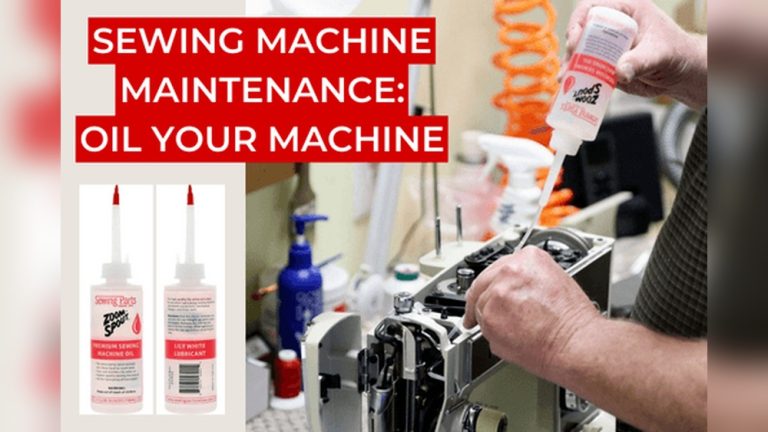
Some parts need oil to reduce friction and wear. Check your manual for oil points. Use sewing machine oil only. Apply a drop or two to the moving parts. Avoid over-oiling; it can attract dirt. Oiling helps the machine run quietly and smoothly.
Replacing Needles
Needles wear out or bend after use. A dull needle causes skipped stitches or fabric damage. Change the needle after every project or after 8 hours of sewing. Use the right needle type for your fabric. Insert the needle properly to avoid problems.
Threading And Tension Fixes
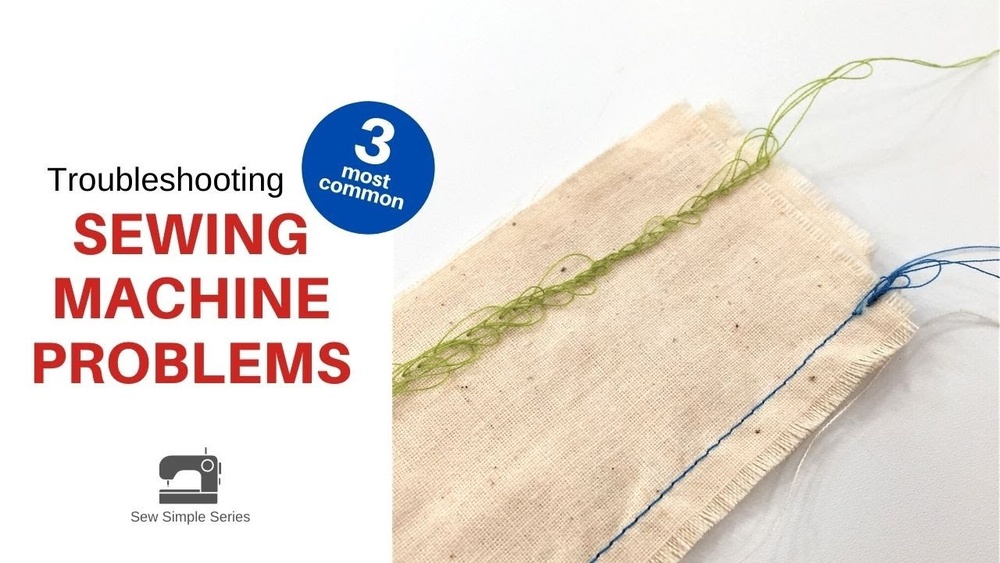
Threading and tension problems are common sewing machine issues. They cause uneven stitches and thread breaks. Fixing these problems improves stitch quality and machine performance. Follow simple steps to check threading, tension, and bobbin setup. This helps keep your machine working smoothly.
Proper Threading Techniques
Start by using the right thread for your fabric. Place the spool on the holder correctly. Pull the thread through all guides and tension discs. Make sure the thread passes through the needle eye front to back. Avoid loose or tangled thread. Incorrect threading often causes skipped stitches or thread jams.
Adjusting Thread Tension
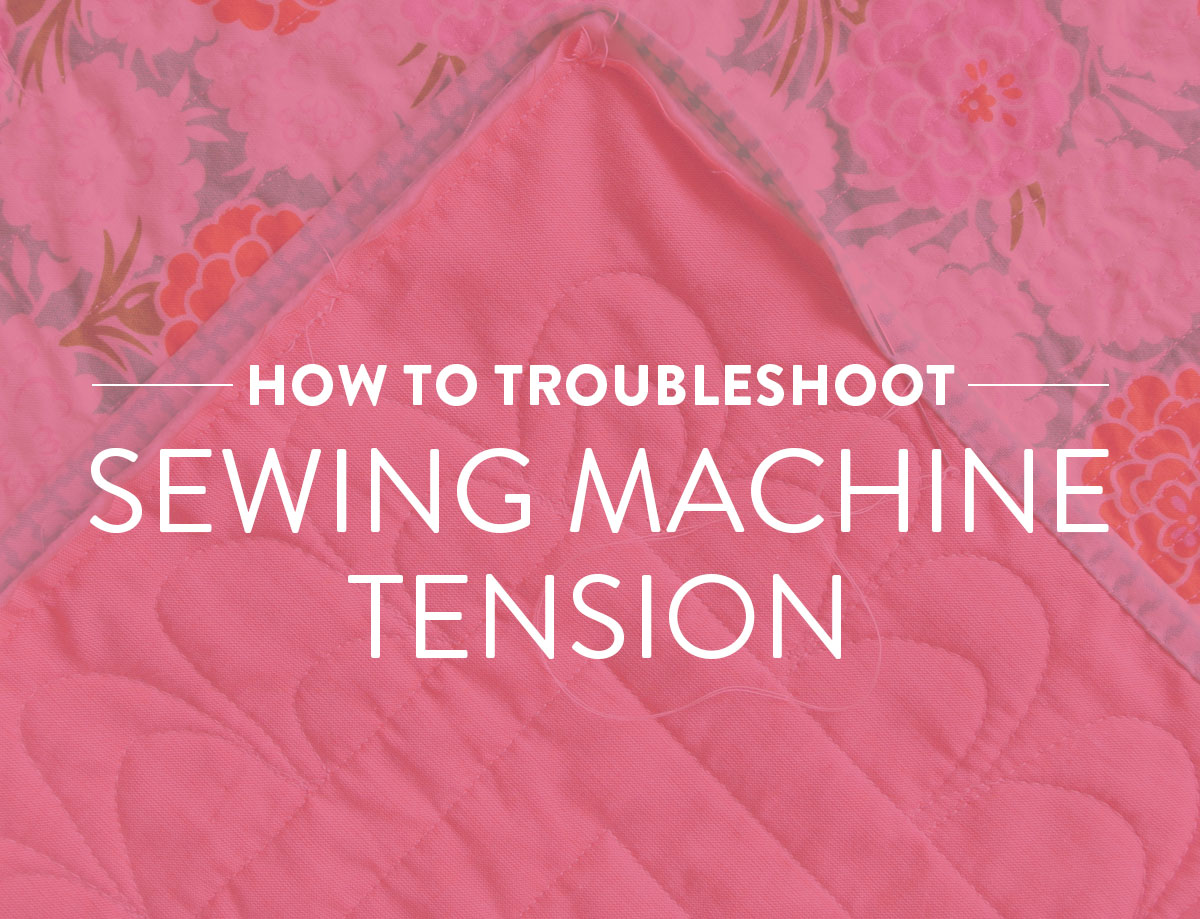
Thread tension controls how tight the thread pulls during sewing. Too tight or too loose tension makes uneven stitches. Turn the tension dial up to tighten the thread. Turn it down to loosen. Test on a scrap piece of fabric. Adjust slowly until stitches look balanced on both sides.
Checking Bobbin Setup
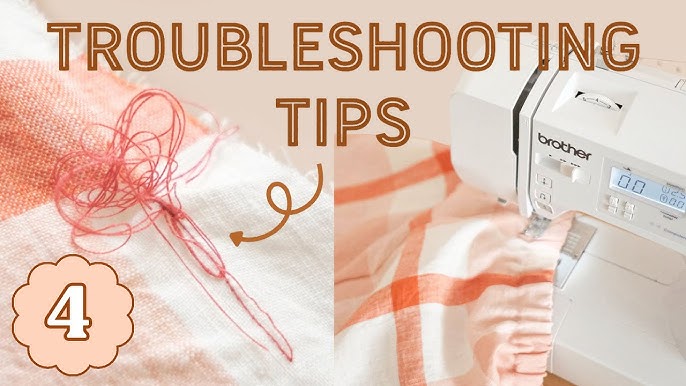
Insert the bobbin in the case following the arrow direction. Pull the thread through the bobbin tension spring gently. Make sure the bobbin spins smoothly when you pull the thread. Incorrect bobbin placement causes thread bunching or loops under the fabric. Clean lint from the bobbin area regularly for smooth sewing.
Credit: www.youtube.com
Dealing With Needle Problems
Needle problems cause many sewing machine issues. These problems can stop your project and waste your fabric. Fixing needle troubles quickly keeps your work smooth and easy. Understanding needle care helps avoid common sewing setbacks.
Choosing The Right Needle
Use needles that match your fabric type. Thin needles suit light fabrics like silk or cotton. Thick needles work best for heavy fabrics like denim or leather. Check needle packaging for fabric recommendations. Using the right needle prevents fabric damage and skipped stitches.
Needle Insertion And Alignment
Insert the needle with the flat side facing the correct direction. Most machines require the flat side to face the back. Push the needle up all the way into the needle clamp. Tighten the needle clamp screw firmly. A crooked needle causes skipped stitches and thread breaks.
Replacing Bent Or Dull Needles
Change needles after 8 hours of sewing or when damaged. Bent needles can break fabric or harm the machine. Dull needles cause rough stitching and fabric pulls. Always carry spare needles for quick replacement. Replace needles often to keep sewing smooth and safe.
Addressing Motor And Power Issues
Motor and power problems often stop sewing machines from working well. These issues can cause the machine to run slow, stop suddenly, or not start at all. Fixing these problems helps the machine work smoothly again.
Simple checks can find many power and motor issues. Basic care and small fixes often solve these problems quickly.
Power Supply Checks
First, check the power source. Make sure the machine is plugged in tightly. Try a different outlet to rule out socket problems. Look for any broken or frayed cords. A damaged cord can stop power flow.
Ensure the power switch is on. Some machines have a reset button; press it if needed. Check the fuse or circuit breaker if the machine does not turn on. Replace blown fuses with the same type.
Motor Overheating Solutions
Motors can get too hot after long use. Turn off the machine and let it cool for 20 minutes. Clean dust and lint from vents and motor parts. This helps air flow and cool the motor.
Check the motor belt for wear or tightness. A loose or worn belt can cause the motor to strain. Replace or adjust it if needed. Avoid running the machine for long times without breaks.
Foot Pedal Troubleshooting
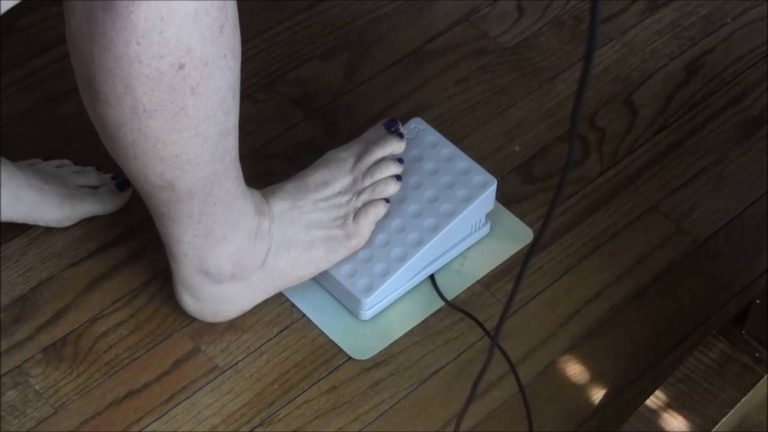
The foot pedal controls the machine speed. Check the cord for cuts or damage. Test the pedal by pressing it slowly and then fully. If the machine speed does not change, the pedal may be faulty.
Clean the pedal with a dry cloth to remove dust. Make sure the pedal plug fits well in the machine. If problems continue, try using another foot pedal to test the machine.

Credit: www.youtube.com
When To Seek Professional Help
Knowing when to seek professional help saves time and prevents damage. Some sewing machine problems need expert care. Trying to fix complex issues alone can cause more harm. Professionals have the right tools and skills for tough repairs.
Signs Of Internal Damage
Strange noises coming from inside the machine. Parts that move roughly or get stuck. Broken or bent internal components. Persistent thread jams that do not clear. These signs often mean internal damage. Only a technician should open the machine case. Attempting a fix without knowledge risks injury and damage.
Complex Electrical Issues
Machine does not power on or turns off suddenly. Buttons or controls do not respond correctly. Sparks or burning smells near the power cord. Problems with the motor or wiring inside. Electrical issues require careful handling. A professional can safely inspect and repair electrical faults.
Regular Servicing Benefits
Routine check-ups keep your machine running smoothly. Professionals clean, oil, and adjust parts. They spot small problems before they grow. Servicing extends the life of the machine. Saves money by avoiding costly repairs. Scheduling regular service keeps your machine reliable.
Credit: suzyquilts.com
Frequently Asked Questions
How Do I Fix A Sewing Machine That Won’t Sew?
Check the needle position and thread tension first. Re-thread the machine carefully. Clean the bobbin area and remove lint. Replace the needle if it’s bent or dull.
Why Is My Sewing Machine Skipping Stitches?
Skipping stitches usually happen due to a bent needle or incorrect needle size. Re-thread the machine and check the thread quality. Make sure the fabric is compatible with your needle.
How Can I Stop My Sewing Machine From Jamming?
Clean the bobbin area regularly to remove lint buildup. Use the correct bobbin size and thread type. Make sure the thread is properly threaded through the tension discs.
What Causes Uneven Stitches On A Sewing Machine?
Uneven stitches often result from wrong tension settings or a damaged needle. Adjust the tension and change the needle if needed. Ensure fabric is fed evenly while sewing.
Conclusion
Troubleshooting a sewing machine takes patience and practice. Check each part carefully for common issues. Clean your machine regularly to keep it running smoothly. Adjust tension and threading to fix most problems fast. Remember, small fixes often solve big troubles.
Keep your manual handy for specific tips. Don’t rush repairs; work step-by-step. Soon, your machine will sew like new again. Enjoy the process and keep creating!