How To Sew Canvas By Hand
Sewing canvas by hand might sound tricky, but with the right steps, you can do it yourself and get great results. Whether you want to fix a bag, create a sturdy cover, or add personal touches to your gear, hand-sewing gives you full control.
Imagine the satisfaction of seeing your project come to life, stitched perfectly by your own hands. In this guide, you’ll discover simple tips and easy techniques that make sewing canvas clear and manageable. Keep reading, and you’ll learn how to turn tough fabric into something strong and beautiful—without needing fancy machines or expert skills.
Choosing Canvas Fabric
Choosing the right canvas fabric is important for sewing by hand. Canvas comes in many types and weights. Picking the right one affects your project’s look and strength. Understanding canvas basics helps you sew easier and get better results.
Types Of Canvas
Canvas fabric varies based on fiber type and weave. Cotton canvas is soft and easy to sew. It is good for bags and light covers. Linen canvas is stronger and has a rough texture. It suits heavy-duty projects. Polyester canvas lasts longer and resists water well. Choose based on your project needs.
Canvas Weight And Texture
Canvas weight tells how thick and heavy the fabric is. Light canvas is thin and flexible. Heavy canvas feels thick and stiff. Use light canvas for clothing or small crafts. Heavy canvas works best for backpacks or tents. Texture also matters. Smooth canvas is easier to sew by hand. Rough canvas may need stronger needles and threads.
Preparing Canvas For Sewing
Before sewing, prepare your canvas fabric. Wash it to remove chemicals and shrinkage. Dry the fabric flat to keep its shape. Iron the canvas to make it smooth. Cut with sharp scissors for clean edges. Mark your sewing lines clearly. These steps make sewing easier and improve the final look.
Selecting Needles And Thread
Selecting the right needles and thread is key to sewing canvas by hand. Canvas is thick and tough, so your tools must be strong and durable. Choosing proper supplies makes sewing easier and your stitches last longer.
Best Needles For Canvas
Use needles made for heavy fabrics. Sharps or leather needles work well. They have sharp points that pierce thick canvas without bending. Size 18 or 20 needles suit most canvas projects. Avoid small or thin needles. They break easily and cause frustration.
Thread Options
Pick strong, heavy-duty thread. Polyester or nylon threads hold up best. Waxed thread is excellent for outdoor canvas work. It resists water and fraying. Avoid regular cotton thread. It weakens and breaks on thick canvas.
Thread Preparation Tips
Cut thread slightly longer than needed. Thread ends can fray or tangle. Wax the thread lightly for smooth stitching. You can rub beeswax or specialized thread wax on it. Use a needle threader if needed. It saves time and reduces frustration.
Essential Sewing Tools
Having the right tools is key to sewing canvas by hand. Canvas is thick and tough. Using proper tools makes sewing easier and neat. Tools help cut, mark, and stitch with control.
Scissors And Cutting Tools
Sharp scissors are a must for cutting canvas. Use heavy-duty scissors that cut thick fabric cleanly. Dull scissors tear canvas and make rough edges. Keep scissors separate for fabric only. Rotary cutters also work well for straight cuts.
Marking Tools
Marking tools guide your stitches on canvas. Use tailor’s chalk or fabric markers that show well. Choose colors that stand out on canvas. Avoid permanent markers unless you want the marks to stay. Mark lightly and test on a scrap piece first.
Thimble And Stitching Aids
A thimble protects your finger from needle pricks. It helps push the needle through thick canvas. Leather or metal thimbles work best. Needle threaders can help if the needle eye is small. Use strong, heavy-duty needles designed for canvas sewing.
Basic Hand Stitch Techniques
Basic hand stitch techniques form the foundation of sewing canvas by hand. These stitches hold the fabric together and make the work strong. Learning these simple stitches helps you sew neatly and lastingly.
Each stitch type has a special use. Some are quick and simple, others are stronger and more secure. Knowing which stitch to use will improve your sewing projects.
Running Stitch
The running stitch is the simplest hand stitch. It looks like a dashed line on the fabric. Push the needle in and out in a straight line.
This stitch works well for basting or light seams. It is fast but not very strong. Use it for temporary holds or thin canvas.
Backstitch
The backstitch creates a solid, strong seam. It looks like a continuous line without gaps. Stitch forward, then bring the needle back into the previous hole.
This stitch is perfect for heavy canvas and long-lasting seams. It holds the fabric tightly and resists stress well. Ideal for repairs and durable projects.
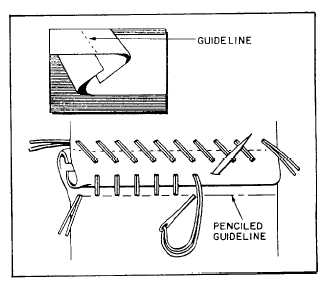
Whipstitch
The whipstitch wraps around the edge of the fabric. It prevents fraying and joins two pieces at the edges. Insert the needle through both edges and pull tight.
This stitch is good for finishing raw edges or attaching patches. It adds a neat, visible border and keeps canvas intact. Works well for canvas bags and covers.
Preparing Canvas Pieces
Preparing canvas pieces well is key for sewing by hand. It helps the fabric stay strong and neat. This step makes sewing easier and gives better results. Follow these simple tasks to get your canvas ready.
Measuring And Cutting
Measure your canvas carefully using a ruler or tape. Mark the size clearly with a pencil or chalk. Cut the canvas slowly with sharp scissors. Cut on the marked lines to keep edges straight. Accurate cutting saves time and stops fabric waste.
Edge Finishing
Canvas edges can fray and weaken the project. Fold the edges slightly and press with an iron. Use a zigzag stitch or hand whip stitch to finish edges. This stops threads from coming loose later. Clean edges make your work last longer.
Pinning And Basting
Pin the canvas pieces together to hold them in place. Use straight pins spaced evenly along the seam. Basting means sewing loose, temporary stitches by hand. It keeps fabric from shifting while you sew for real. Remove pins and basting stitches after finishing.

Credit: www.wikihow.com
Sewing Canvas By Hand
Sewing canvas by hand is a useful skill for repairs and custom projects. Canvas is thick and tough, so it needs strong stitching. Hand sewing allows control and precision on heavy fabric. It takes patience and the right technique.
Using a heavy needle and strong thread makes sewing easier. Take your time to keep stitches neat. Proper technique helps the canvas hold together well.
Starting The Stitch
Thread the needle with a strong, durable thread. Tie a knot at the end to secure it. Insert the needle through the canvas from the back. Pull the thread all the way through until the knot stops it. Begin with a small stitch to anchor the thread firmly. Make sure the fabric is flat and taut.
Maintaining Even Stitches
Keep stitches the same size for a clean look. Use short, consistent movements to avoid big gaps. Hold the canvas steady with one hand. Push the needle through gently but firmly. Check your work often to keep stitches straight. Even stitches help the fabric stay strong and neat.
Securing The Stitch End
Finish by making a small knot close to the fabric. Pass the needle through a loop of thread before pulling tight. Repeat this knot twice for extra strength. Trim any extra thread close to the knot. Press the canvas lightly to smooth out the stitching. This stops stitches from coming undone.
Troubleshooting Common Issues
Troubleshooting common issues in hand sewing canvas helps keep your project smooth. Canvas is thick and tough. Sewing it by hand takes patience and the right technique.
Problems like thick layers, puckering fabric, and thread breakage can slow you down. Fixing these issues early saves time and effort. Here are simple tips to solve these common problems.
Dealing With Thick Layers
Canvas often has many thick layers. Push your needle firmly but gently. Use a strong, sharp needle designed for heavy fabric. A thimble can protect your finger and add force. Sew slowly to keep stitches even and tight.
Preventing Fabric Puckering
Puckering happens when fabric bunches up. Use a longer stitch length to reduce stress on the canvas. Keep your thread tension low. Avoid pulling the thread too hard. Press your fabric flat after each few stitches to keep it smooth.
Fixing Thread Breakage
Thread breaks can stop your progress. Choose heavy-duty thread made for thick fabrics. Cut the thread cleanly before starting. Check your needle for rough edges that might cut the thread. Replace broken threads immediately to avoid knots and tangles.

Credit: www.youtube.com
Care And Maintenance
Hand-sewn canvas projects need proper care to last long. Canvas is strong but can wear out without good maintenance. Taking simple steps protects your work and keeps it looking fresh.
Washing Hand-sewn Canvas
Wash canvas gently to avoid damage. Use cold water and mild soap for cleaning. Avoid harsh detergents or bleach, as these can weaken fibers. Hand wash by dipping and lightly scrubbing with a soft brush. Rinse well to remove all soap. Lay flat or hang to dry, away from direct sunlight.
Storing Finished Projects
Store canvas in a dry, cool place to prevent mold and mildew. Avoid folding too tightly to stop creases and cracks. Roll or store flat if possible. Keep away from damp areas and direct heat sources. Use breathable fabric bags for extra protection against dust and dirt.
Credit: navyadministration.tpub.com
Frequently Asked Questions
What Materials Do I Need To Sew Canvas By Hand?
To sew canvas by hand, you need heavy-duty needle, strong thread, scissors, thimble, and a ruler. Use waxed polyester or nylon thread for durability. Prepare your canvas by cutting and marking before stitching for precise and sturdy results.
How Do I Prepare Canvas For Hand Sewing?
Clean and dry the canvas before sewing. Cut it to the required size using sharp scissors. Mark your stitch line with a pencil or chalk. Use a thimble to push the needle through thick canvas layers easily. This ensures neat and accurate stitching.
Which Hand Stitches Work Best On Canvas?
The backstitch and running stitch are ideal for canvas. Backstitch creates strong seams, while running stitch is good for temporary or lighter holds. Both stitches provide durability and flexibility, making them perfect for heavy fabric like canvas.
How Can I Avoid Puckering While Sewing Canvas?
Use even tension on your thread and avoid pulling too tight. Stitch slowly and consistently to prevent puckering. Pre-punch holes with an awl or thick needle to make stitching easier and keep the canvas flat and smooth during sewing.
Conclusion
Sewing canvas by hand takes patience and care. Use strong thread and sharp needles for best results. Keep your stitches even and tight to hold the fabric well. Practice simple stitches first to build your skill. Take breaks if your hand feels tired.
With time, your sewing will improve and look neat. Enjoy the process of creating something useful by hand. Small steps lead to great progress. Keep trying, and soon sewing canvas will feel easy and rewarding.