

What Are Good Sewing Scissors: Choosing the Right Fabric Shears
Good sewing scissors made of carbon steel with sharp, ground edges are the best choice for most fabric projects. Keep these tools clean and dry to prevent oxidation. Use micro-serrated blades for thin, slippery silk, or choose thicker, heavy-duty shears for cutting denim or leather.
What to look for in sewing scissors

You should look for specific design elements that ensure clean cuts and long-term durability. These features help you maintain precision during long cutting sessions.
- Carbon steel blades: These hold a sharp edge much longer than stainless steel, though they require more care to prevent rust.
- Bent handle design: This shape keeps your hand flat against the table, allowing you to cut fabric without lifting it and causing distortion.
- Adjustable pivot screw: A high-quality pair includes a screw you can tighten or loosen to control the tension between the blades.
- Consistent blade contact: The blades should touch along their entire length as they close, creating a clean shearing action rather than folding the fabric.
- Comfortable grip: Choose handles that fit your hand size, as ergonomic strain leads to inaccurate cuts over time.
- Dedicated purpose: Reserve your fabric shears exclusively for cloth; cutting paper blunts the edge rapidly because paper fibers contain abrasive fillers.
Why blade quality determines your success
The primary reason professional tools outperform basic household scissors is the precision of the grinding process. Sewing shears are ground at a specific angle that allows the two blades to act like a guillotine. When you close the handles, the blades should overlap perfectly, slicing through the textile fibers cleanly. If the blades aren’t ground to this precise angle, they will push the fabric between the edges, creating jagged, uneven lines that make assembly difficult.
Steel composition matters significantly for the lifespan of the tool. Manufacturers often use high-carbon steel because it can be tempered to a higher hardness level. If you use a lower-grade stainless steel, you’ll find yourself sharpening the blades every few weeks.
You must also consider the pivot point, which is the heart of the tool. If the pivot is loose, the blades will separate, causing the fabric to bunch up. If it’s too tight, your hand will cramp after only a few minutes of use.
A professional tool allows you to adjust this tension to match the weight of your material. If you’re working with heavy wool, a slightly looser tension helps, while light cotton requires a tighter setting to ensure the fibers don’t slip between the blades.
When your current scissors aren’t enough
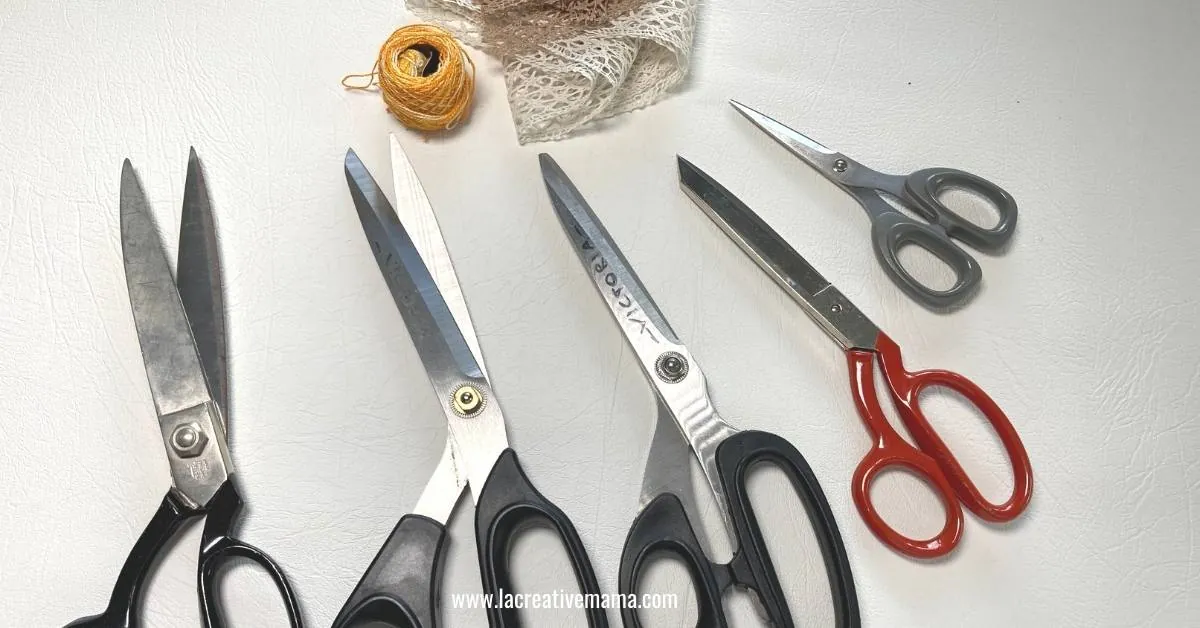
The standard advice for general sewing doesn’t apply to every fabric type. You must adjust your tool choice based on the specific material’s weight and texture to avoid damage.
| Situation | What changes | What to do instead |
|---|---|---|
| Cutting silk or rayon | Fabric slips easily | Use micro-serrated blades |
| Cutting thick leather | Requires more force | Use heavy-duty industrial shears |
| Cutting synthetic knits | Edges fray quickly | Use rotary cutters |
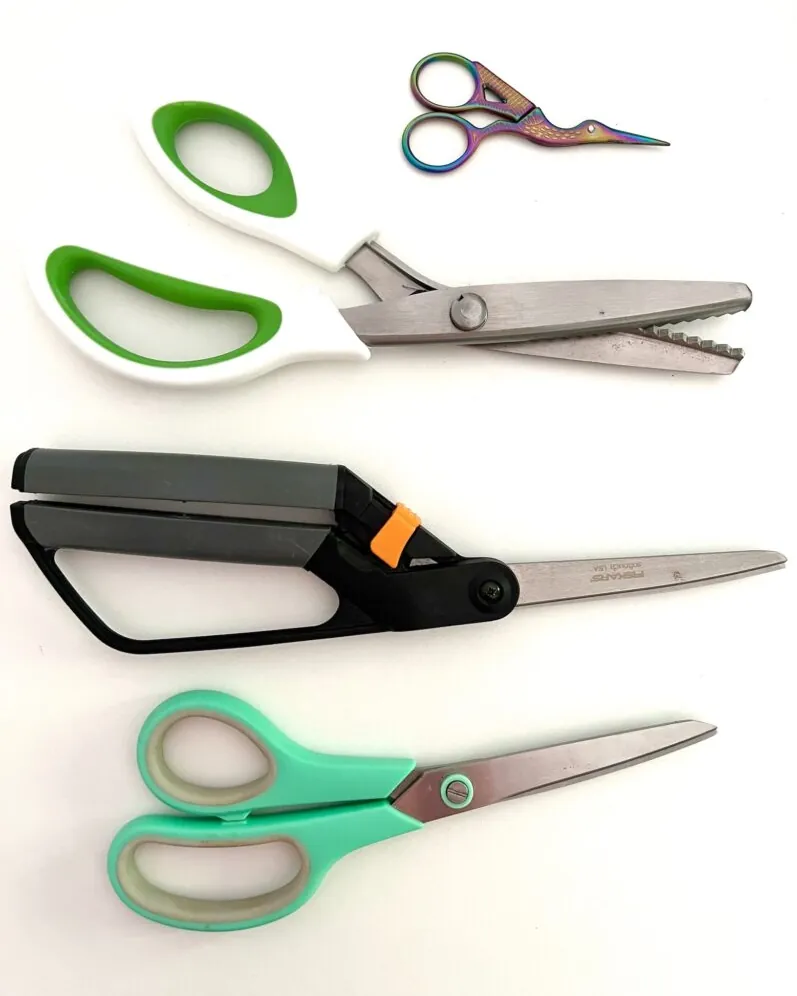
| Cutting small curves | Long blades are bulky | Use 4-inch embroidery snips |
| Cutting heavy denim | Standard blades dull | Use titanium-coated steel shears |
Steps for using and maintaining your shears
- Place your fabric flat on a cutting mat or a hard table surface to ensure you aren’t lifting the material while cutting.
- Hold the scissors with your thumb in the smaller top loop and two or three fingers in the larger bottom loop for stability.
- Keep the bottom blade resting on the table surface as you move forward to ensure your cut line stays perfectly straight and vertical.
- Open the blades wide and make long, smooth strokes rather than short, choppy snips to prevent jagged edges on your fabric pieces.
- Wipe the blades with a dry, lint-free cloth after every use to remove dust and fabric fibers that can trap moisture.
- Apply a single drop of sewing machine oil to the pivot screw as needed to keep the movement smooth and silent; consult your owner’s manual for specific maintenance recommendations.
Mistakes that ruin your expensive scissors
- Cutting paper or plastic: Even one cut through paper will create microscopic nicks in the steel, which ruins the smooth shearing action.
- Dropping the tool: Impact on a hard floor can misalign the pivot or chip the delicate tips, making the tool useless for fine work.
- Storing in a humid area: Carbon steel will develop rust spots quickly in damp conditions, which creates friction and destroys the sharp edge.
- Forcing a cut through thick layers: If the scissors don’t glide easily, you’re cutting too many layers at once; this stresses the pivot screw.
Frequently asked questions
Can I sharpen my own sewing scissors?
You can sharpen them, but it requires professional-grade equipment to maintain the correct blade angle. Most home users should send their shears to a professional sharpener once a year to ensure the bevel remains consistent. If you attempt this with a standard kitchen knife sharpener, you’ll likely ruin the temper of the steel and destroy the blades permanently.
How do I know if my scissors are dull?
Your scissors are dull if they fold or chew the fabric instead of slicing it cleanly at the tip. Test this by cutting a single layer of thin cotton; if the fabric catches or bends between the blades, the edge has lost its sharpness. A sharp tool should feel like it’s gliding through the material without any resistance or pulling.
Is it safe to use oil on my scissors?
It’s safe as long as you use a small amount of clear sewing machine oil and wipe away all excess. Excess oil will transfer to your fabric and leave permanent stains on delicate materials like silk or linen. Always test the blades on a scrap piece of fabric after oiling to ensure no residue remains before you start your project.
Why do my scissors feel stiff?
Stiffness usually occurs because of a build-up of fabric dust inside the pivot screw or a lack of lubrication. You should try loosening the pivot screw by a fraction of a turn first. If the movement remains gritty, clean the pivot area with a soft brush and add one drop of sewing machine oil to keep the metal parts moving freely.
Does the handle material matter for comfort?
It matters if you sew for long periods, as heavy metal handles can cause fatigue while molded plastic handles often provide better ergonomics. If you have joint pain or limited grip strength, look for soft-grip rubberized handles that distribute pressure across your palm. The weight of the tool should feel balanced in your hand, not front-heavy or pulling toward the blades.
How long should good sewing scissors last?
They can last for a very long time if you use them only for fabric and have them professionally sharpened when the performance drops. The longevity depends entirely on your care routine and how often you cut thick materials like denim or wool. If you notice the blades don’t meet at the tip, the tool has reached the end of its life unless a professional can realign the steel.
What is the difference between scissors and shears?
The difference is the size and the handle shape, as scissors have equal-sized finger holes while shears have one large handle for multiple fingers. Shears are designed for cutting fabric on a flat surface because the offset handle allows the bottom blade to stay level. You should always choose shears for dressmaking to ensure your cuts remain accurate and your hand stays comfortable throughout the process.
Conclusion
Proper care is the secret to keeping your tools performing like new for many years. Keep your scissors in a dedicated case or a blade cover when they aren’t in use to protect the edges from accidental damage. If you ever feel the blades catching, stop immediately and check the pivot screw before you cause lasting damage to the metal edge.
{“@context”:”https://schema.org”,”@type”:”FAQPage”,”mainEntity”:[{“@type”:”Question”,”name”:”Can I sharpen my own sewing scissors?”,”acceptedAnswer”:{“@type”:”Answer”,”text”:”You can sharpen them, but it requires professional-grade equipment to maintain the correct blade angle. Most home users should send their shears to a professional sharpener once a year to ensure the bevel remains consistent. If you attempt this with a standard kitchen knife sharpener, you’ll likely ruin the temper of the steel and destroy the blades permanently.”}},{“@type”:”Question”,”name”:”How do I know if my scissors are dull?”,”acceptedAnswer”:{“@type”:”Answer”,”text”:”Your scissors are dull if they fold or chew the fabric instead of slicing it cleanly at the tip. Test this by cutting a single layer of thin cotton; if the fabric catches or bends between the blades, the edge has lost its sharpness. A sharp tool should feel like it’s gliding through the material without any resistance or pulling.”}},{“@type”:”Question”,”name”:”Is it safe to use oil on my scissors?”,”acceptedAnswer”:{“@type”:”Answer”,”text”:”It’s safe as long as you use a small amount of clear sewing machine oil and wipe away all excess. Excess oil will transfer to your fabric and leave permanent stains on delicate materials like silk or linen. Always test the blades on a scrap piece of fabric after oiling to ensure no residue remains before you start your project.”}},{“@type”:”Question”,”name”:”Why do my scissors feel stiff?”,”acceptedAnswer”:{“@type”:”Answer”,”text”:”Stiffness usually occurs because of a build-up of fabric dust inside the pivot screw or a lack of lubrication. You should try loosening the pivot screw by a fraction of a turn first. If the movement remains gritty, clean the pivot area with a soft brush and add one drop of sewing machine oil to keep the metal parts moving freely.”}},{“@type”:”Question”,”name”:”Does the handle material matter for comfort?”,”acceptedAnswer”:{“@type”:”Answer”,”text”:”It matters if you sew for long periods, as heavy metal handles can cause fatigue while molded plastic handles often provide better ergonomics. If you have joint pain or limited grip strength, look for soft-grip rubberized handles that distribute pressure across your palm. The weight of the tool should feel balanced in your hand, not front-heavy or pulling toward the blades.”}},{“@type”:”Question”,”name”:”How long should good sewing scissors last?”,”acceptedAnswer”:{“@type”:”Answer”,”text”:”They can last for a very long time if you use them only for fabric and have them professionally sharpened when the performance drops. The longevity depends entirely on your care routine and how often you cut thick materials like denim or wool. If you notice the blades don’t meet at the tip, the tool has reached the end of its life unless a professional can realign the steel.”}},{“@type”:”Question”,”name”:”What is the difference between scissors and shears?”,”acceptedAnswer”:{“@type”:”Answer”,”text”:”The difference is the size and the handle shape, as scissors have equal-sized finger holes while shears have one large handle for multiple fingers. Shears are designed for cutting fabric on a flat surface because the offset handle allows the bottom blade to stay level. You should always choose shears for dressmaking to ensure your cuts remain accurate and your hand stays comfortable throughout the process.”}}]}