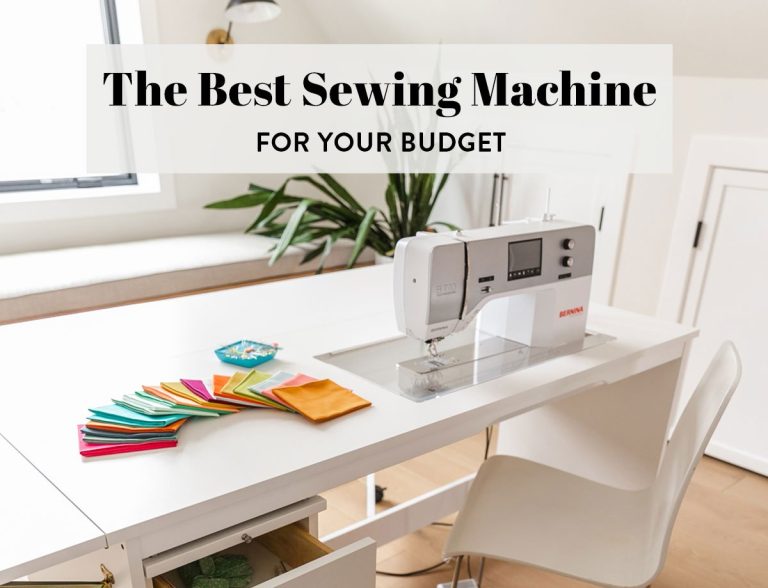
What Is the Best Affordable Sewing Machine? Our Top Pick
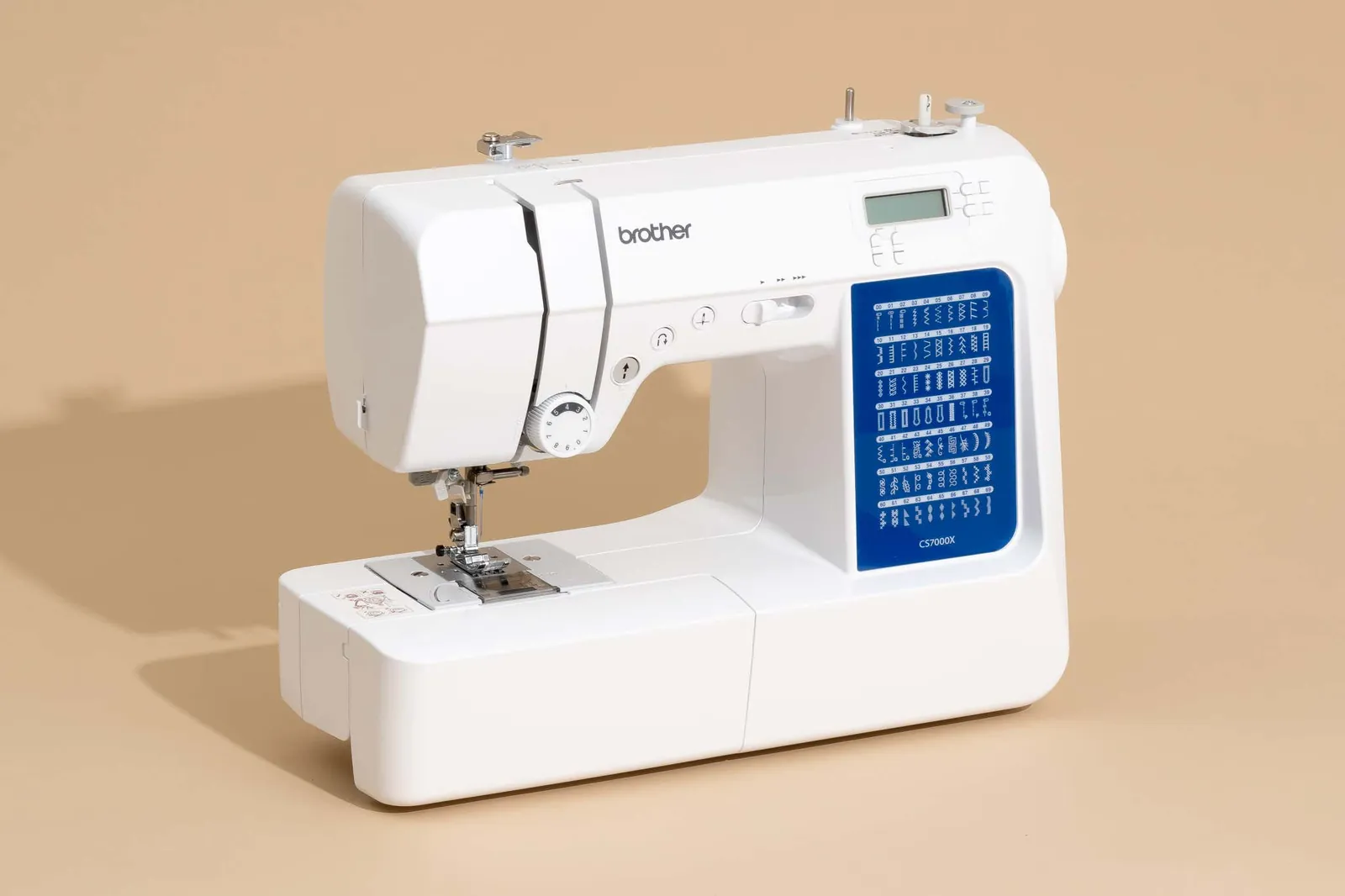
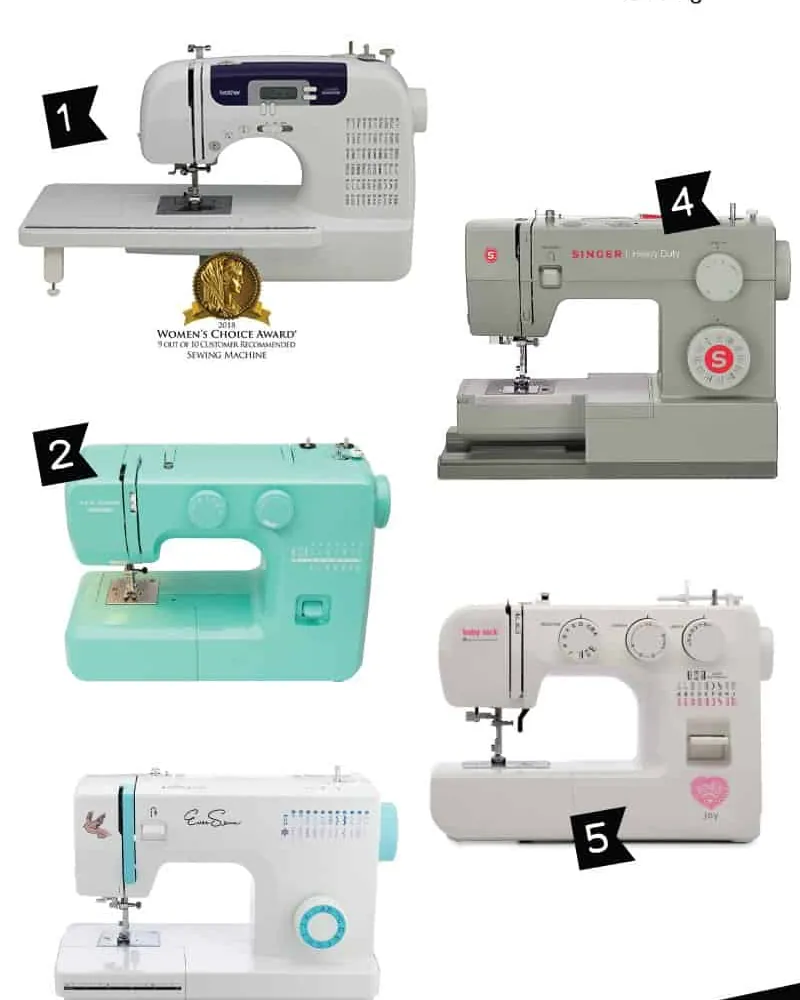
For most home sewers, the Brother CS7000X is the best affordable sewing machine. It handles light fabrics and basic garment work without skipping stitches, which is why it sits at the top of this price range. If you sew heavy canvas or denim every week, a mechanical machine like the Singer Heavy Duty 4423 fits better. You’ll find its exact stitch count and motor specs on Brother’s CS7000X product page.
Why an affordable sewing machine skips stitches

A skipped stitch happens when the needle thread doesn’t catch the bobbin thread. Most of the time, the cause is a dull or wrong-sized needle rather than a broken part inside the machine. The fastest way to confirm this is to put in a brand-new needle of the correct size and run a test seam on scrap fabric.
If fresh needles don’t fix it, check your threading path next. A thread that slips out of the tension disc creates the exact same symptom as a timing issue. Don’t assume the motor is failing until you’ve ruled out these two things first.
Reasons a budget sewing machine stops working right
| Cause | How common | How to confirm it | Fix it yourself? |
|---|---|---|---|
| Wrong or dull needle | Very common | Inspect tip under bright light | Yes |
| Incorrect upper threading | Very common | Rethread with presser foot up | Yes |
| Lint packed in bobbin case | Common | Remove bobbin, look inside | Yes |
| Wrong bobbin class used | Common | Compare bobbin to manual diagram | Yes |
| Tension dial set too tight | Less common | Test seam puckers badly | Yes |
| Internal timing slipped | Rare | Needle hits bobbin case metal | No |
| Motor carbon brushes worn | Rare | Machine hums but won’t run | No |
A dull or mismatched needle ruins every seam
A bent or blunt needle pushes fabric down into the needle plate instead of piercing it cleanly. This causes skipped stitches, uneven seams, and sometimes a loud popping sound as the needle forces its way through. Using a universal size 80/12 needle on thin silk will leave visible holes, while a fine size 70/10 needle snaps instantly on denim.
To check your needle, turn the handwheel toward you slowly and watch the point enter the fabric. If it bends even slightly before going through, it’s too thin for that material or completely dull. Pull it out and roll the flat side against a table. A bent needle wobbles; a straight one rolls perfectly flat.
Replace it with the right type for your fabric. Use ballpoint needles for knits so they slide between loops instead of cutting them. Use sharp microtex needles for woven cottons. A pack of assorted sizes costs about the same as three spools of good thread. Swapping it takes under a minute, and it solves the problem almost every single time.
Threading mistakes mimic serious mechanical failures
You can tell a threading error from a bad needle because rethreading fixes the loop instantly, while a needle change doesn’t. When the presser foot is down during threading, the tension discs stay closed. The thread just rests on top of them instead of sitting between them, giving you zero upper tension control.
Rethread the machine from scratch with the presser foot lever fully raised. Follow every guide on the machine’s body, including the tiny hook right above the needle clamp that people miss. Pull the thread gently after seating it. It should feel firm, not loose.
If you’re using a computerized model like the Brother CS7000X, the automatic needle threader only works if the thread is seated properly in the upper guides first. Forcing the threader lever down when the thread isn’t aligned bends the tiny wire hook. That part is fragile and annoying to replace. Take ten seconds to trace the path visually before pulling the lever.
The wrong bobbin causes jams you can’t see
Plastic bobbins and metal bobbins aren’t interchangeable, even when they look identical in size. A plastic class 15 bobbin placed in a machine built for a class 15J bobbin sits slightly too low. The hook passes over the thread loop instead of catching it, creating a bird’s nest of thread underneath the fabric.
Take the bobbin out and hold it next to the picture printed in your user manual. Look at the height and the shape of the center hole. If yours has a slightly domed top but the manual shows a flat one, you have the wrong class. Throw it in a separate box so it doesn’t mix with your correct ones.
Buy bobbins specifically listed for your exact model number. Winding them yourself ensures the thread tension matches the factory setting. Pre-wound bobbins from discount bins often use thicker cardboard cores that change how the thread feeds off the spool.
Other reasons a cheap sewing machine acts up
- Lint packed under the feed dogs: The fabric won’t move forward evenly, and brushing it out with the small included brush fixes it.
- Tension dial bumped by accident: Seams pucker or loop loosely; reset the dial to 4 for medium-weight woven cotton.
- Power pedal partially blocked: The machine runs at full speed or not at all; check under the desk for cables wedged beneath it.
- Internal timing knocked out of sync: The needle strikes the metal bobbin case with a loud click. Stop sewing immediately. Adjusting timing requires specialized tools and training, so take it to an authorized service center before the needle shatters and damages the hook.
What fixing a budget sewing machine actually takes
Most fixes here need nothing more than five minutes and the tools already inside your machine’s accessory tray. A new needle costs less than a cup of coffee, and swapping it requires only the small screwdriver that came in the box. Cleaning lint out of the bobbin area takes a stiff brush and a good lamp.
If the timing has slipped, the job moves past a simple home repair. A professional service visit usually costs about the same as buying a second entry-level machine. Get a written estimate before leaving your machine at the shop. Ask the technician if the repair cost makes sense compared to the machine’s original price.
This isn’t for someone running a daily tailoring business. A machine bought for under $200 lacks the heavy internal frame needed for constant commercial use. If you sew thick layers for hours every day, skip this category entirely and look at industrial models.
Frequently asked questions
Can I sew jeans on a cheap sewing machine?
Yes, but only with a denim needle (size 90/14 or 100/16) and by turning the handwheel manually over thick seams. Run more than four layers of heavy denim through a lightweight machine and you risk bending the needle bar. Go slowly and let the feed dogs pull the fabric.
Why does my thread keep breaking?
It breaks because the upper tension is too tight or the thread is caught on a rough spot along the path. Lower the tension dial by one number and test again. Check the spool pin to make sure the thread isn’t wrapping around the base of the spool itself.
How long do budget sewing machines last?
About 5 to 10 years for someone sewing a few hours a week on light to medium fabrics. Machines used daily on heavy materials wear out their plastic gears much faster. Check your specific model’s warranty period on the manufacturer’s website to see what they cover.
Is it safe to oil a computerized sewing machine?
No, unless the manual explicitly tells you where to apply one drop. Oil on a circuit board or sensor destroys the electronics instantly. Mechanical machines need regular oiling, but computerized ones are mostly sealed. Read your user manual’s maintenance section before touching any lubricant.
What happens if I use the wrong bobbin?
The machine jams, the thread tangles underneath, and the needle might strike the bobbin case. Even a millimeter difference in height changes how the rotating hook catches the thread. Always match the bobbin class exactly to your model’s specification sheet.
Does stitch count matter for beginners?
Not really. Ten basic stitches cover almost everything a beginner sews, from straight seams to simple buttonholes. Paying extra for 200 built-in stitches means paying for decorative patterns you likely won’t use. Focus on smooth feeding and reliable tension instead.
How often should I change the needle?
Change it after every 8 to 10 hours of actual sewing time, or at the start of any new project. A needle hitting fabric thousands of times a minute dulls quickly. If you hear a slight popping sound as it pierces the cloth, it’s already too blunt.
Do I need a heavy table for a small machine?
You don’t need a heavy table, but you do need a flat, stable one that doesn’t rock. Vibration causes skipped stitches and makes straight lines impossible. If your desk shakes when you press the pedal, put a dense rubber mat under the machine to absorb the movement.
Conclusion
Picking the right machine comes down to matching it to your actual fabric, not chasing the highest feature list. A basic model threaded correctly will always outsew an expensive one loaded with the wrong needle. Keep your manual close, swap your needles often, and stop the moment something sounds wrong.
{“@context”:”https://schema.org”,”@type”:”FAQPage”,”mainEntity”:[{“@type”:”Question”,”name”:”Can I sew jeans on a cheap sewing machine?”,”acceptedAnswer”:{“@type”:”Answer”,”text”:”Yes, but only with a denim needle (size 90/14 or 100/16) and by turning the handwheel manually over thick seams. Run more than four layers of heavy denim through a lightweight machine and you risk bending the needle bar. Go slowly and let the feed dogs pull the fabric.”}},{“@type”:”Question”,”name”:”Why does my thread keep breaking?”,”acceptedAnswer”:{“@type”:”Answer”,”text”:”It breaks because the upper tension is too tight or the thread is caught on a rough spot along the path. Lower the tension dial by one number and test again. Check the spool pin to make sure the thread isn’t wrapping around the base of the spool itself.”}},{“@type”:”Question”,”name”:”How long do budget sewing machines last?”,”acceptedAnswer”:{“@type”:”Answer”,”text”:”About 5 to 10 years for someone sewing a few hours a week on light to medium fabrics. Machines used daily on heavy materials wear out their plastic gears much faster. Check your specific model’s warranty period on the manufacturer’s website to see what they cover.”}},{“@type”:”Question”,”name”:”Is it safe to oil a computerized sewing machine?”,”acceptedAnswer”:{“@type”:”Answer”,”text”:”No, unless the manual explicitly tells you where to apply one drop. Oil on a circuit board or sensor destroys the electronics instantly. Mechanical machines need regular oiling, but computerized ones are mostly sealed. Read your user manual’s maintenance section before touching any lubricant.”}},{“@type”:”Question”,”name”:”What happens if I use the wrong bobbin?”,”acceptedAnswer”:{“@type”:”Answer”,”text”:”The machine jams, the thread tangles underneath, and the needle might strike the bobbin case. Even a millimeter difference in height changes how the rotating hook catches the thread. Always match the bobbin class exactly to your model’s specification sheet.”}},{“@type”:”Question”,”name”:”Does stitch count matter for beginners?”,”acceptedAnswer”:{“@type”:”Answer”,”text”:”Not really. Ten basic stitches cover almost everything a beginner sews, from straight seams to simple buttonholes. Paying extra for 200 built-in stitches means paying for decorative patterns you likely won’t use. Focus on smooth feeding and reliable tension instead.”}},{“@type”:”Question”,”name”:”How often should I change the needle?”,”acceptedAnswer”:{“@type”:”Answer”,”text”:”Change it after every 8 to 10 hours of actual sewing time, or at the start of any new project. A needle hitting fabric thousands of times a minute dulls quickly. If you hear a slight popping sound as it pierces the cloth, it’s already too blunt.”}},{“@type”:”Question”,”name”:”Do I need a heavy table for a small machine?”,”acceptedAnswer”:{“@type”:”Answer”,”text”:”You don’t need a heavy table, but you do need a flat, stable one that doesn’t rock. Vibration causes skipped stitches and makes straight lines impossible. If your desk shakes when you press the pedal, put a dense rubber mat under the machine to absorb the movement.”}}]}