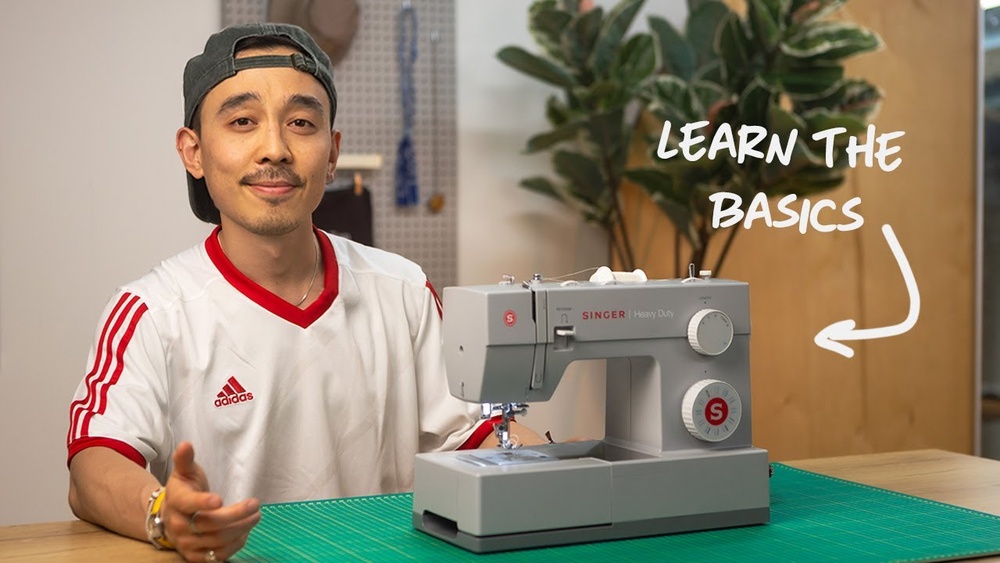
How Do You Use Sewing Machine: Easy Steps for Perfect Stitching
Have you ever wanted to create your own clothes or fix a favorite shirt but felt unsure about using a sewing machine? You’re not alone.
Learning how to use a sewing machine can seem tricky at first, but once you get the hang of it, it opens up a whole new world of creativity and independence. Imagine being able to make quick repairs, customize your wardrobe, or even start fun DIY projects—all from the comfort of your home.
This guide will walk you through the basics step-by-step, so you’ll feel confident and ready to bring your ideas to life. Keep reading, and soon you’ll discover just how easy and rewarding sewing can be.
Choosing The Right Machine
Choosing the right sewing machine is the first step to successful sewing. The right machine makes sewing easier and more enjoyable. It helps you complete projects faster and with better results. This section explains how to pick a sewing machine that fits your needs.
Types Of Sewing Machines
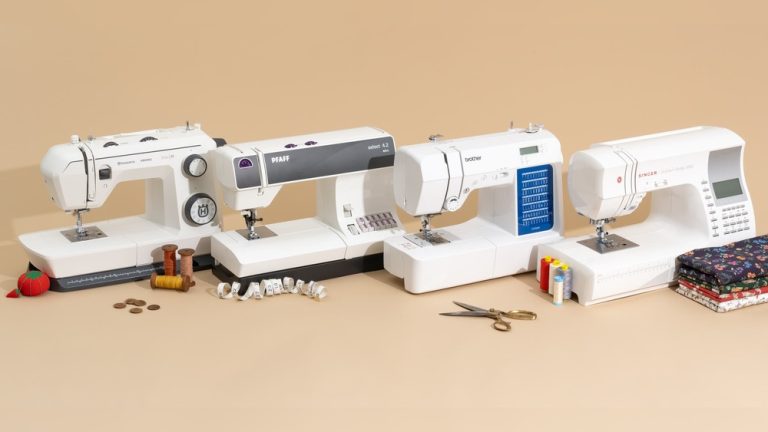
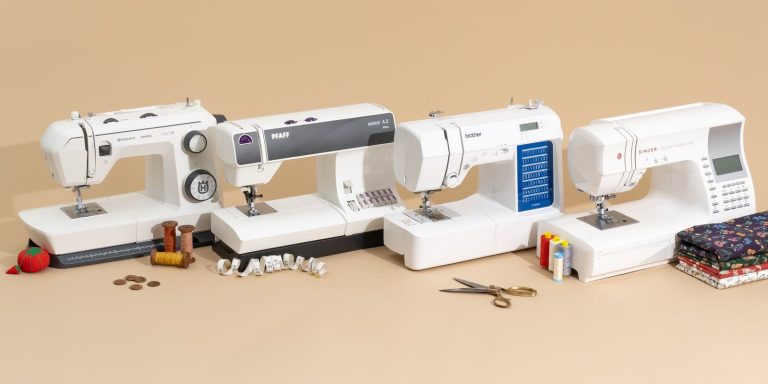
There are several types of sewing machines. Mechanical machines have simple controls and basic functions. They suit beginners and simple projects. Electronic machines offer more stitch options and easier control. They help with more detailed work.
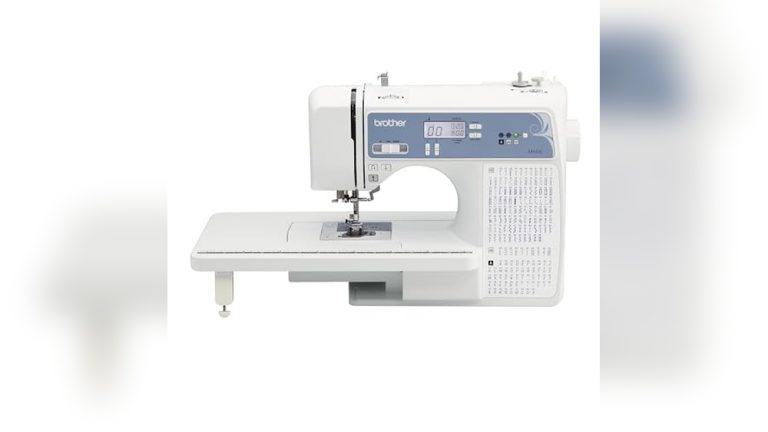
Computerized machines have digital screens and automatic features. These machines are good for advanced users. Another type is the serger. It trims fabric edges and sews at the same time. Sergers are great for professional finishes.
Features To Look For
Choose a machine with the right stitch options for your projects. Basic stitches include straight, zigzag, and buttonhole. Look for adjustable stitch length and width. A strong motor can handle thick fabrics.
Check if the machine has easy threading and bobbin loading. Automatic needle threaders save time and reduce eye strain. A good sewing machine has a sturdy build and a reliable foot pedal. Extra accessories can add value and convenience.
Setting Up Your Machine
Setting up your sewing machine is the first step before you start any project. It ensures your machine runs smoothly and your stitches look neat. Taking time to set up correctly saves frustration later.
Assembling The Machine
Remove the machine from the box carefully. Place it on a flat, stable surface. Attach the presser foot by snapping it onto the holder. Connect the power cord and foot pedal to the machine. Plug it into a power outlet. Switch the machine on to check it powers up.
Threading The Needle
Raise the needle to its highest point using the handwheel. Place your thread spool on the spool pin. Follow the threading path marked on your machine. Pull the thread through each guide and tension disc. Finally, thread the needle from front to back. Pull a few inches of thread through the needle eye.
Winding And Inserting The Bobbin
Place an empty bobbin on the bobbin winder spindle. Wrap the thread around the bobbin a few times. Push the bobbin winder to the right to start winding. Stop when the bobbin is full. Remove and cut the thread. Insert the bobbin into its case under the needle plate. Pull the bobbin thread up through the slot. Hold the needle thread and pull both threads to the back.
Selecting The Right Needle And Thread
Selecting the right needle and thread is key to sewing success. The needle must fit the fabric type and thickness. Thread choice affects stitch strength and appearance. Using the wrong needle or thread can cause skipped stitches, breaks, or damage to fabric. This section explains how to pick the right needle and thread for your project.
Needle Sizes And Types
Needles come in different sizes and types. Smaller numbers mean thicker needles. Use a thin needle for light fabrics like silk or chiffon. Thicker needles suit heavy fabrics like denim or canvas. Needles also have types, such as universal, ballpoint, or sharp. Universal needles work for most fabrics. Ballpoint needles are best for knits. Sharp needles pierce woven fabrics cleanly. Choose the needle type based on fabric texture and weave.
Matching Thread To Fabric
Thread should match fabric weight and fiber. Use cotton thread for natural fabrics like cotton or linen. Polyester thread fits most fabrics and is strong. Heavy fabrics need thicker thread to hold seams well. Light fabrics require fine thread to avoid puckering. Color matching is important to make stitches blend in. Bright thread can add decorative effects. Proper thread choice makes sewing smooth and durable.
Preparing Fabric And Patterns
Preparing fabric and patterns is a key step before sewing. It sets the base for a neat, well-finished project. Handling fabric correctly saves time and avoids mistakes. Careful preparation also helps the sewing machine work smoothly. Start with clean, pressed fabric for best results. Patterns guide cutting and stitching, so they must be precise. Organize your materials to keep the workspace clear and focused.
Cutting Fabric Accurately
Lay your fabric flat on a clean, hard surface. Smooth out all wrinkles for even cutting. Place the pattern pieces on the fabric carefully. Follow the grainline marked on each pattern piece. Use sharp fabric scissors or a rotary cutter. Cut slowly along the edges, without lifting the fabric. Accurate cuts ensure the pieces fit together well.
Pinning And Marking
Pin pieces together along the seam lines to hold them in place. Insert pins perpendicular to the edge for easy removal. Use tailor’s chalk or fabric markers to mark sewing lines. Mark darts, notches, and other important points on the fabric. These marks guide stitching and help match pieces correctly. Remove pins as you sew to avoid damage to the machine.
Basic Stitching Techniques
Basic stitching techniques form the foundation of sewing machine use. Learning these stitches helps create strong and neat seams. They are useful for many sewing projects, from clothes to home decor. Understanding these stitches builds confidence and improves your sewing skills.
Straight Stitch
The straight stitch is the most common stitch on a sewing machine. It creates a simple, straight line of stitches. Use it for seams, topstitching, and basic sewing tasks. Set your machine to a medium stitch length for general sewing. Keep fabric steady and guide it gently through the machine.
Zigzag Stitch
The zigzag stitch moves side to side instead of straight. It is great for finishing raw fabric edges. This stitch prevents fabric from fraying and falling apart. Adjust the width and length to fit your project needs. Use zigzag to sew stretchy fabrics or create decorative edges.
Backstitching
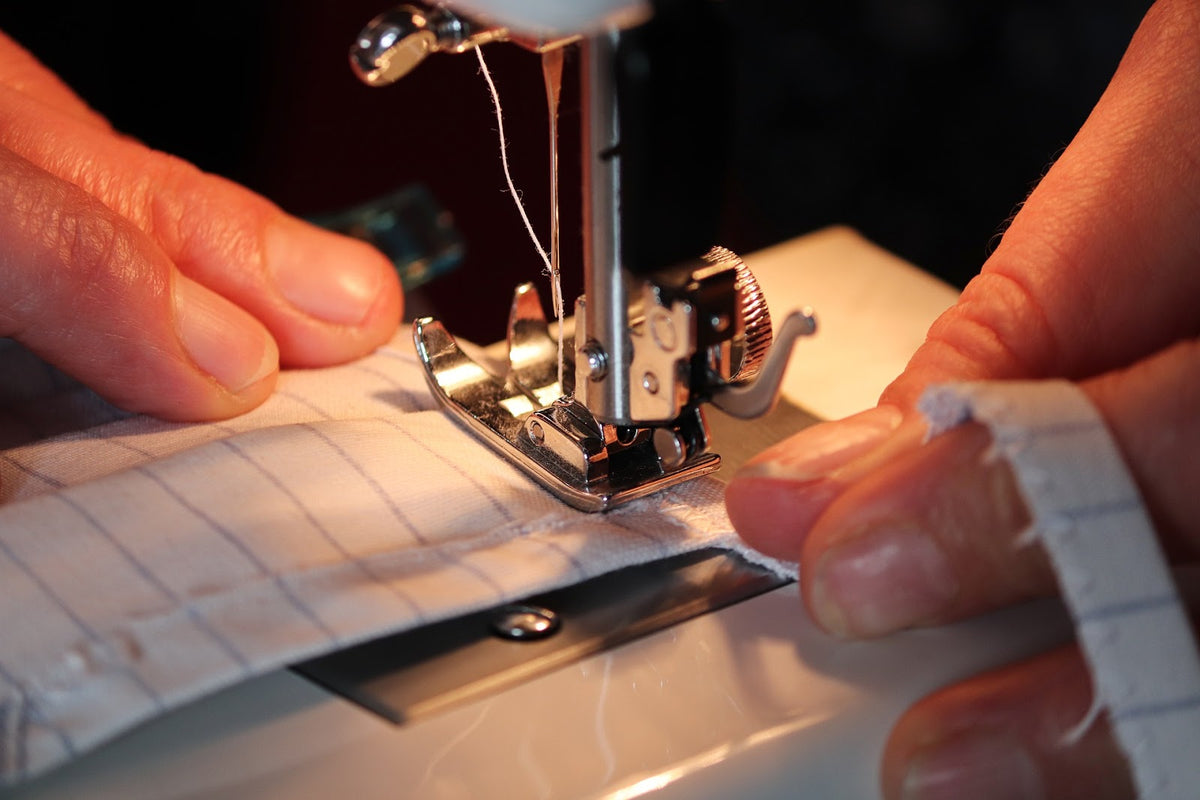
Backstitching secures the start and end of a seam. Sew backward for a few stitches at the beginning. Then sew forward along the seam. At the end, sew backward again to lock the stitches. This technique stops seams from unraveling and keeps your work strong.
Credit: love-sew.com
Adjusting Machine Settings
Adjusting the settings on your sewing machine helps create neat and strong stitches. Each fabric and project needs different settings. Learning to adjust these settings improves your sewing results. It also prevents thread breaks and fabric damage.
Tension Control
Tension controls how tight the thread pulls during stitching. Too much tension makes fabric pucker. Too little tension causes loose loops on the fabric’s underside. Turn the tension dial slowly to find the right balance. Test on a scrap piece of fabric before sewing your project.
Stitch Length And Width
Stitch length controls how long each stitch is. Short stitches are good for detailed work. Long stitches are better for seams on thick fabrics. Stitch width changes the width of zigzag stitches. Use narrow width for small, tight zigzags. Wider width works well for decorative stitches and stretchy fabrics.
Troubleshooting Common Issues
Troubleshooting common sewing machine issues helps keep your projects smooth. Small problems can stop your work fast. Knowing quick fixes saves time and frustration. This guide covers three frequent issues and easy ways to solve them.
Thread Breakage
Thread breaks often because of wrong threading. Check if the thread passes through all guides. Use the correct thread type for your fabric. Tighten the tension only a little. Old or weak thread breaks more easily. Replace the thread if it looks worn out.
Skipped Stitches
Skipped stitches happen when the needle is dull or bent. Change the needle regularly to avoid this. Use the right needle size for your fabric. Make sure the needle is inserted correctly. Clean the machine to remove dust inside. This keeps the stitches neat and even.
Uneven Seams
Uneven seams come from pulling the fabric too hard. Let the machine feed the fabric at its pace. Use the right presser foot pressure. Check if the feed dogs are clean and working well. Pin the fabric before sewing to hold layers together. This helps keep straight and even seams.

Credit: www.youtube.com
Maintaining Your Sewing Machine
Keeping a sewing machine in good shape helps it work well for a long time. Regular care stops problems and makes sewing easier. A clean, well-oiled machine runs smoothly and sews better. Small steps protect your machine from damage and wear. Follow simple maintenance tips to keep your machine ready for every project.
Cleaning And Oiling
Dust and lint build up inside the machine. Clean these out after every few uses. Use a small brush or soft cloth. Remove the needle plate to clean beneath it. Avoid using water or harsh cleaners. Oiling is key to smooth machine parts. Apply sewing machine oil to moving parts only. Use the type of oil your manual recommends. Too much oil can cause problems. A drop or two is enough to keep it moving.
Regular Servicing Tips
Check your machine for loose screws or worn parts. Replace needles often to avoid fabric damage. Test stitches on scrap fabric to keep tension right. Keep the machine covered when not in use. Take your machine to a professional yearly. They can fix hidden problems and adjust settings. Regular service keeps your machine sewing like new. Small efforts save time and money on repairs.

Credit: www.youtube.com
Frequently Asked Questions
How Do You Thread A Sewing Machine Correctly?
Thread the machine by placing the spool on the holder. Follow the threading path, passing the thread through tension discs and guides. Finally, thread the needle from front to back for smooth stitching.
What Fabric Types Work Best With A Sewing Machine?
Cotton, polyester, and linen are ideal for sewing machines. These fabrics are easy to handle and stitch evenly. Avoid very thick or slippery materials without proper needles or settings.
How Do You Adjust Stitch Length On A Sewing Machine?
Use the stitch length dial or digital controls to set stitch length. Shorter stitches are good for delicate fabrics, while longer stitches suit thicker materials.
How To Maintain A Sewing Machine For Better Performance?
Regularly clean lint and dust from the machine. Oil moving parts as recommended in the manual. Replace needles often to ensure smooth operation and avoid fabric damage.
Conclusion
Using a sewing machine can be simple and fun. Start slow and practice basic stitches first. Always keep your fabric straight and guide it gently. Check your thread and needle before sewing. Small projects help build your confidence. Sewing saves money and lets you create your own style.
Try different fabrics and patterns as you learn. Patience and practice bring better results. Enjoy the process and keep improving step by step. Soon, sewing will feel natural and enjoyable.